Goma is one of the main towns in the Democratic Republic of Congo, located in North Kivu Province in the eastern part of the country. The city lies close to Gisenyi town in Rwanda and sits on the shores of Lake Kivu. Goma covers an area of about 76 square kilometers and is around 18 kilometers from Mount Nyiragongo, one of Africa’s most active volcanoes. Because of its location, Goma is an important entry point for travelers visiting eastern Congo.
In the 19th century, Goma was occupied by agents of the Congo Free State. The goal was to control movement and trade on Lake Kivu, which was part of an overland route linking Central Africa to the Indian Ocean. By 1910, the town had been confirmed as a Belgian possession and continued to grow as a trading and administrative center.
Goma has also experienced difficult periods in its history. During the 1994 Rwandan genocide, large numbers of refugees crossed into the city. In 2012, Goma was captured by the March 23 Movement rebels during the M23 rebellion, although it was later retaken by government forces. In 2002, an eruption of Mount Nyiragongo destroyed almost half of the city, affecting many homes and roads.
Today, the situation around Goma has largely stabilized. However, travelers planning to visit Goma in the Democratic Republic of Congo are advised to always check security updates before traveling. Consulting local authorities or experienced tour operators helps visitors stay informed and travel safely.
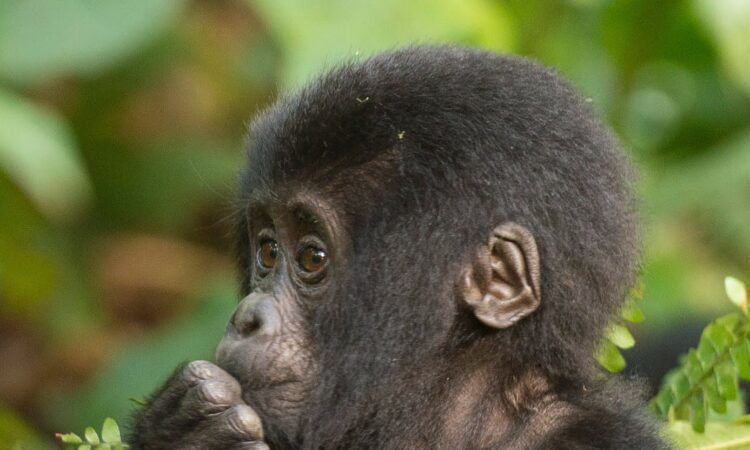
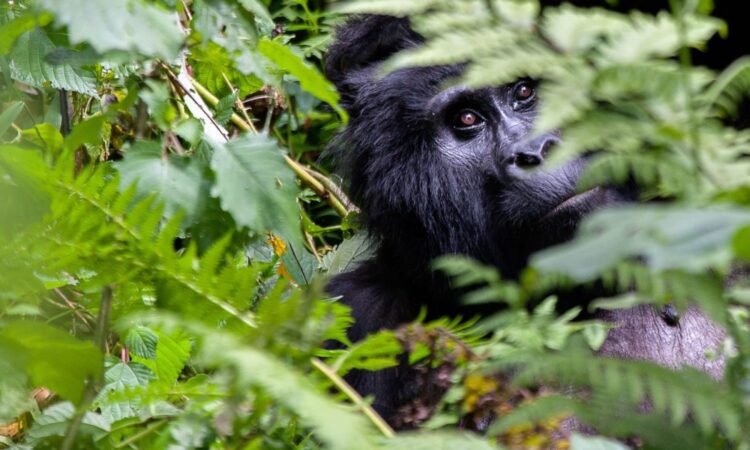
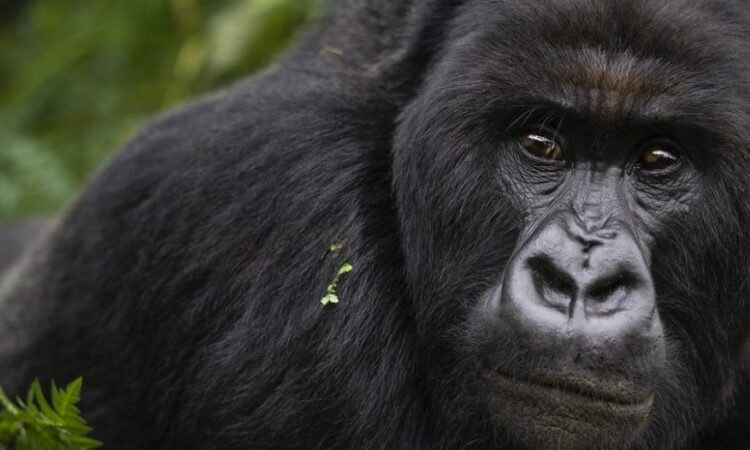
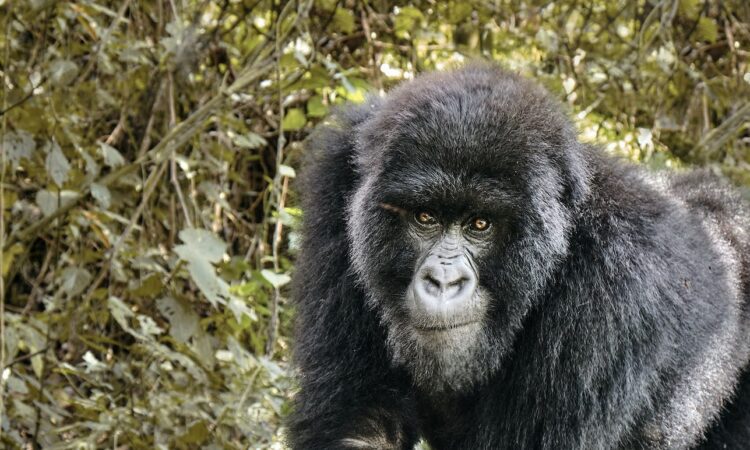
There are many tourist activities to enjoy around Goma, some of which are unique to this region. One of the main activities is gorilla trekking. From Goma, visitors can easily access Virunga National Park, which is home to mountain gorillas. These gorillas are only found in Virunga, Volcanoes National Park in Rwanda, Bwindi Impenetrable National Park, and Mgahinga Gorilla National Park in Uganda. Congo offers the cheapest gorilla permits, costing about 400 USD per person per trek, making Goma a popular base for this experience.
Another activity is mountain hiking. Travelers can hike Mount Nyiragongo or Mount Nyamuragira. Although Nyiragongo erupted in May 2021, guided hikes are still possible when conditions allow.
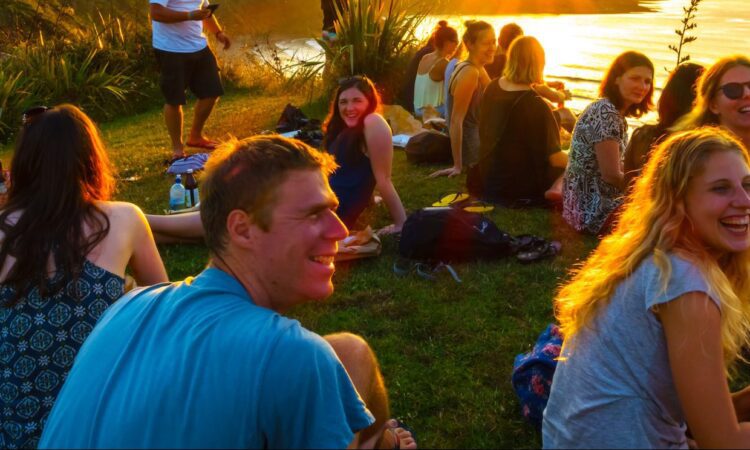
Visitors can also spend time at Lake Kivu. Activities include kayaking, swimming, boat cruises, fishing, canoeing, island visits, and learning about local coffee production.