Uganda safaris in January take place during one of the driest months of the year. This period is marked by dry conditions in both northern and southern parts of the country, making travel and outdoor activities easier. Trails inside national parks are firm, and movement between destinations is smooth. January usually receives little or no rain, which allows most safari activities to run without interruption.
Because of the dry weather, visitors are advised to wear light earth colored clothes to stay comfortable during high daytime temperatures. Carrying water bottles is important to stay hydrated. Other useful items include sunscreen, a safari hat, sunglasses, and a basic first aid kit. These items help protect visitors from sun exposure and minor injuries during activities. It is important to always follow the instructions given by your tour guide to avoid accidents or penalties from park authorities.
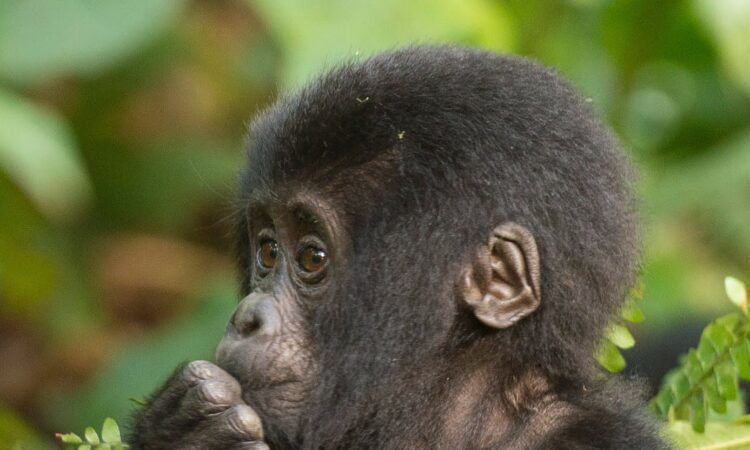
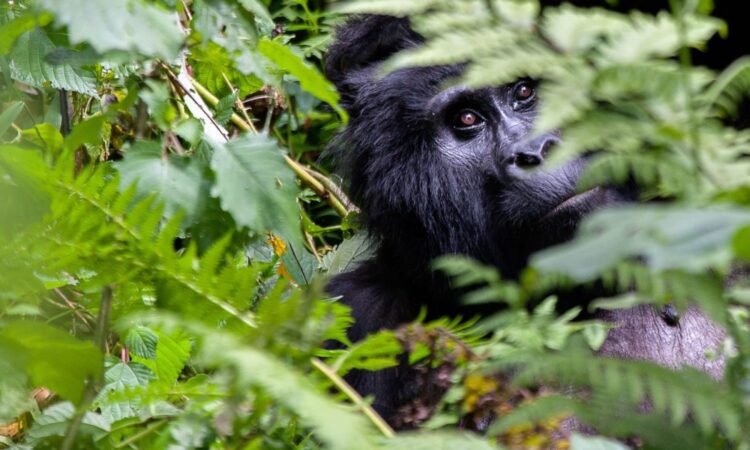
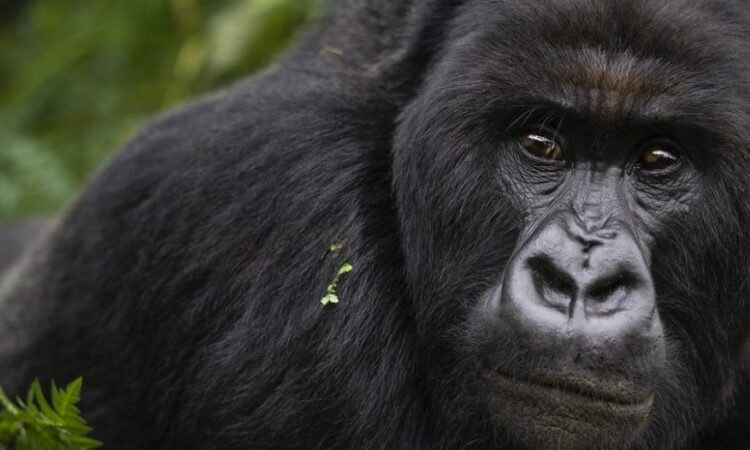
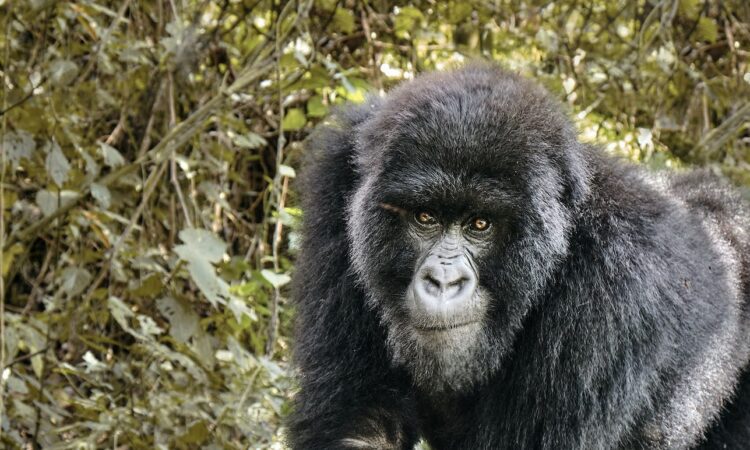
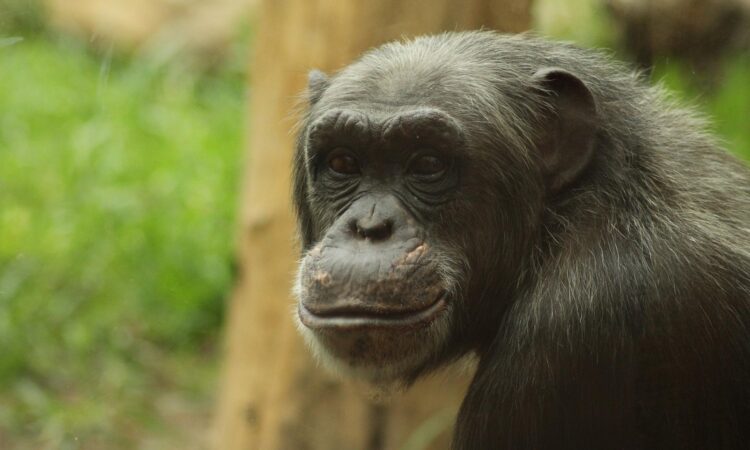
Uganda safaris in January take visitors to major wildlife destinations such as Kidepo Valley National Park, Murchison Falls National Park, Bwindi Impenetrable National Park, Mgahinga Gorilla National Park, and Queen Elizabeth National Park. These parks are active in January and offer good wildlife viewing. Popular safari options include the 3 day Bwindi gorilla trekking safari, the 5 day Uganda gorilla and chimpanzee tour, and the 7 day safari covering gorillas, tree climbing lions, and chimpanzees.
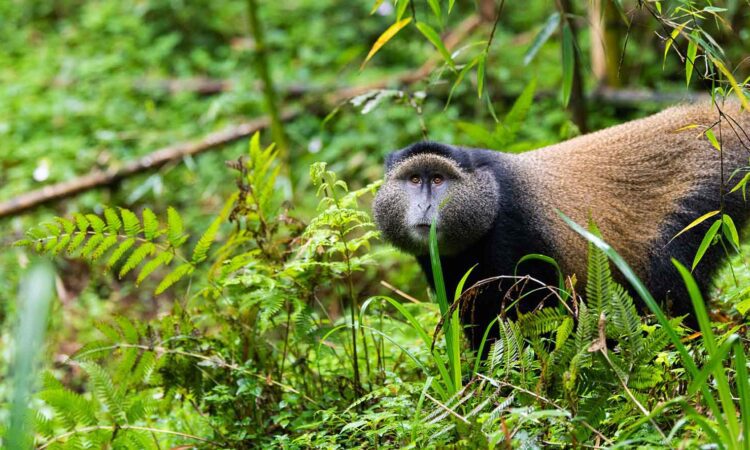
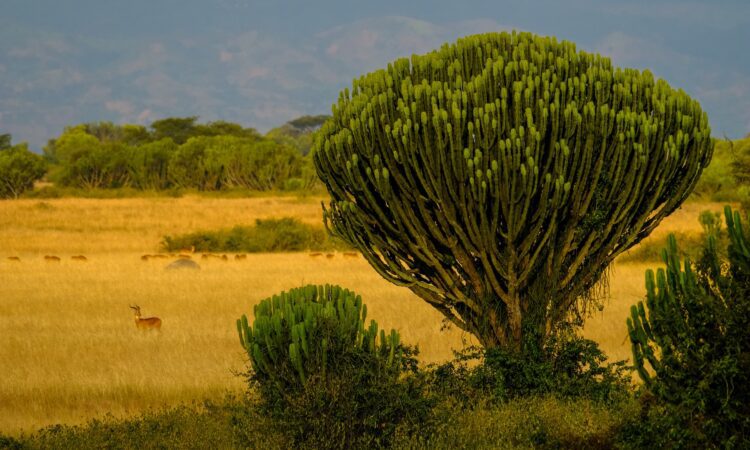
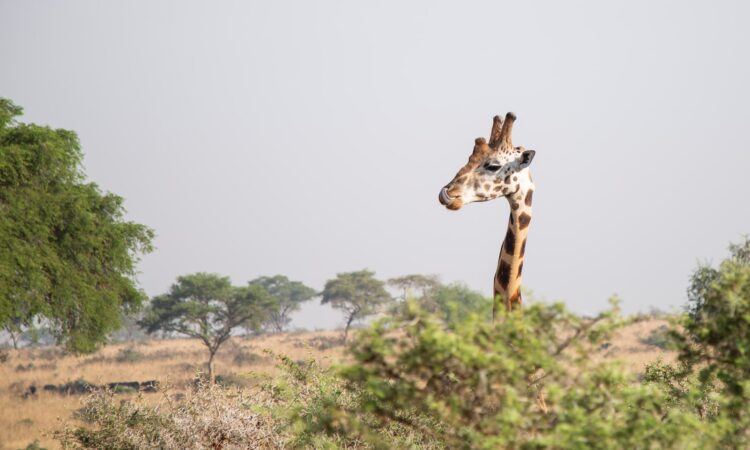
January supports many safari activities. Game viewing is one of the main highlights. Visitors enjoy spotting wildlife from safari vehicles that provide shade from the sun. Carrying binoculars improves the experience by helping view animals from a distance. Game drives are organized in shifts to allow visitors to see animals at different times of the day. Some shifts focus on early morning or late afternoon when animals are more active. Armed rangers guide these drives to ensure visitor safety.
Nature walks are also popular during Uganda safaris in January. Walking on dry ground makes these activities easier and more enjoyable. Visitors may follow trails that lead to sightings of buffaloes, lions, primates, zebras, giraffes, and other animals. Although some people consider walking safaris risky, high security is provided. Visitors are always accompanied by trained guides and armed rangers. Tourists are advised not to walk alone or imitate animal sounds.
Mountain hiking and climbing are also possible in January. These activities usually start early in the morning to avoid slippery conditions caused by melting ice at higher elevations. Hiking can take several days and requires physical preparation. Travelers should be ready for cold weather in high areas and long walking hours.
January is a high travel season in Uganda, so prices for accommodation and activities are higher. Even so, many visitors choose this month because of good weather and fewer school holiday crowds compared to December.
Uganda safaris in January offer dry weather, active wildlife, and many adventure options, making it a good time to explore the Pearl of Africa.