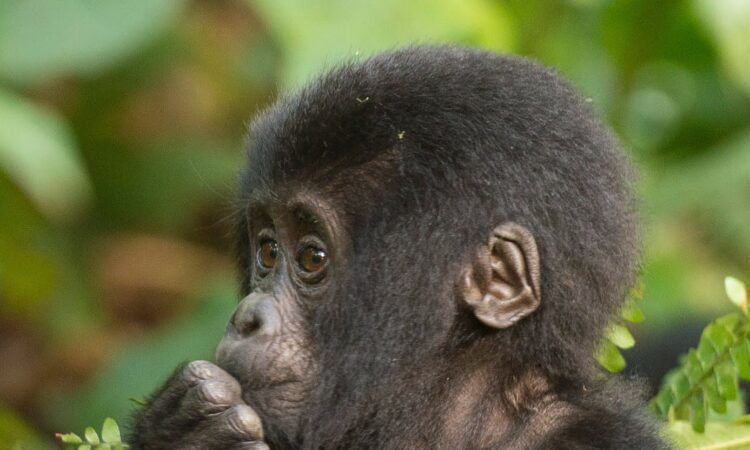
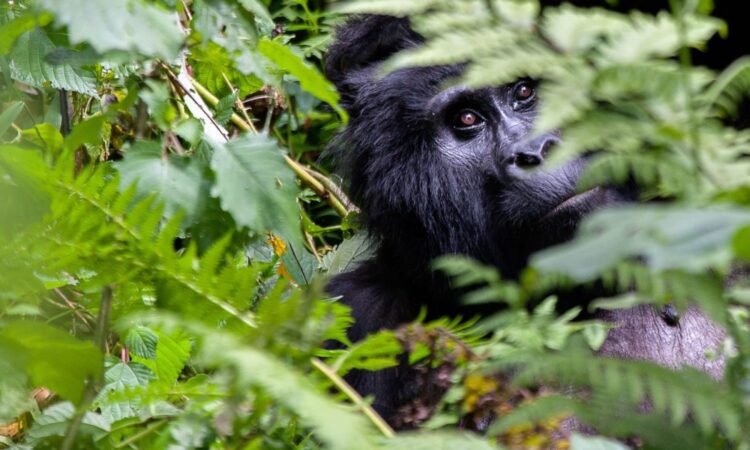
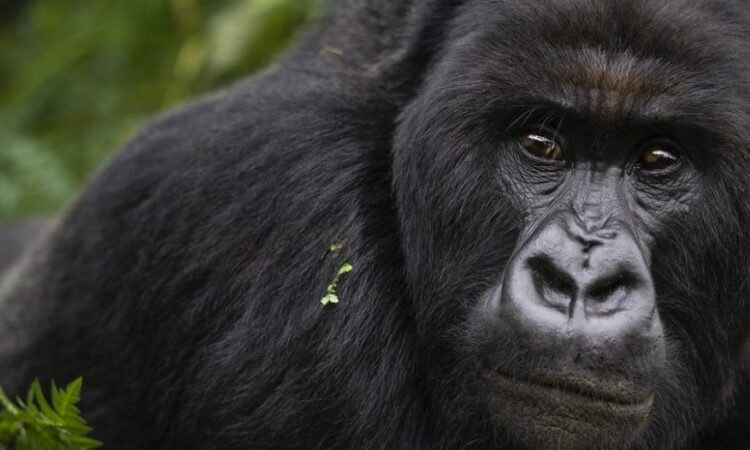
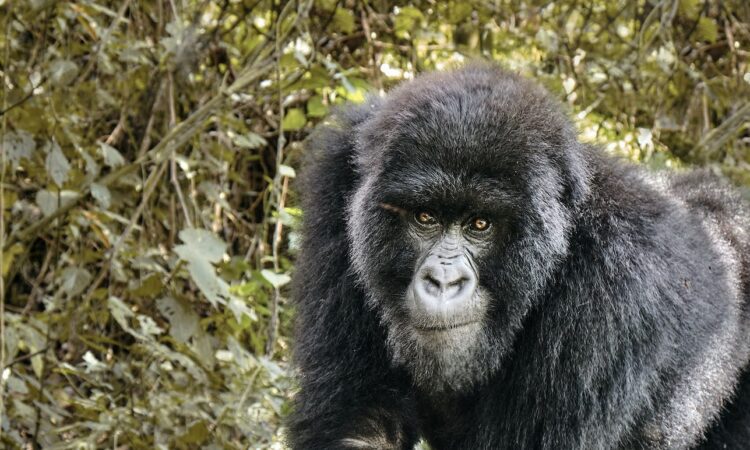
Virunga National Park is located in the eastern part of the Democratic Republic of Congo. It is one of the oldest national parks in Africa and one of the most important protected areas on the continent. The park is known for its rich wildlife, wide landscapes, and rare plant species. It is also home to endangered mountain gorillas and orphaned gorillas that are cared for at the Senkwekwe Gorilla Orphanage, the only center in the world that looks after gorillas rescued from illegal trade.
Virunga National Park covers about 8,090 square kilometers. Its elevation ranges from about 680 meters to 5,109 meters above sea level. This wide range in altitude creates many habitats. The park is home to two of Africa’s most active volcanoes, Mount Nyiragongo and Mount Nyamuragira.
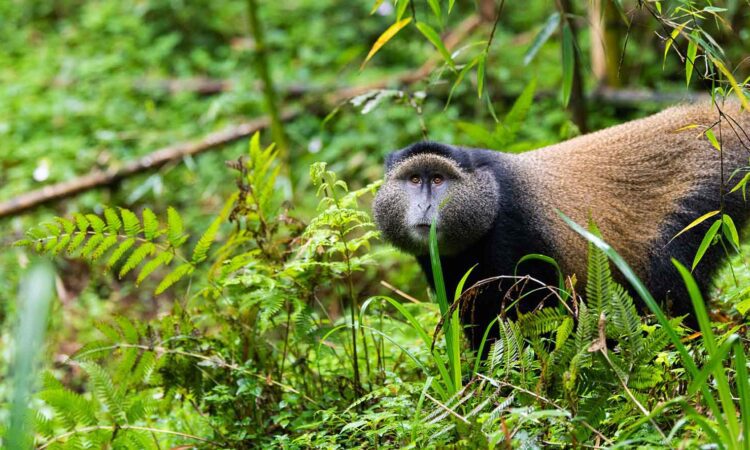
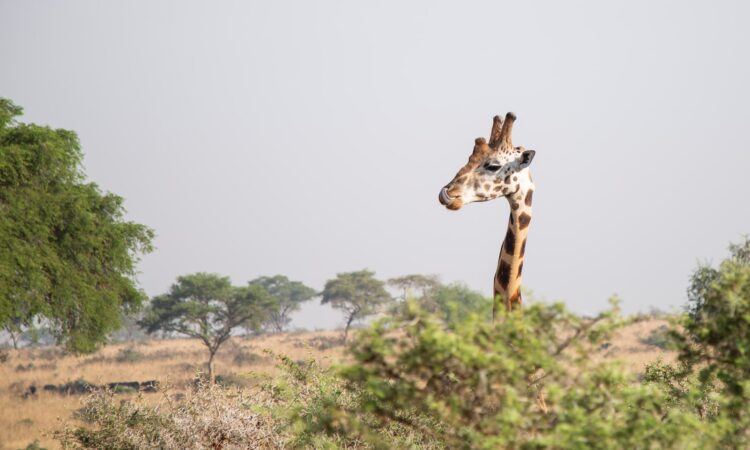
Virunga has more than 3,000 plant and animal species. About 300 of these species are found only in the Albertine Rift Valley. This makes the park one of the most important conservation areas in Africa. The park supports 196 mammal species, 706 bird species, 65 amphibians, 109 reptiles, and 2,077 plant species. Among the plants, 230 species are unique to the Albertine Rift, and 264 are tree species. Virunga is also one of the few places in the world where mountain gorillas live in the wild.
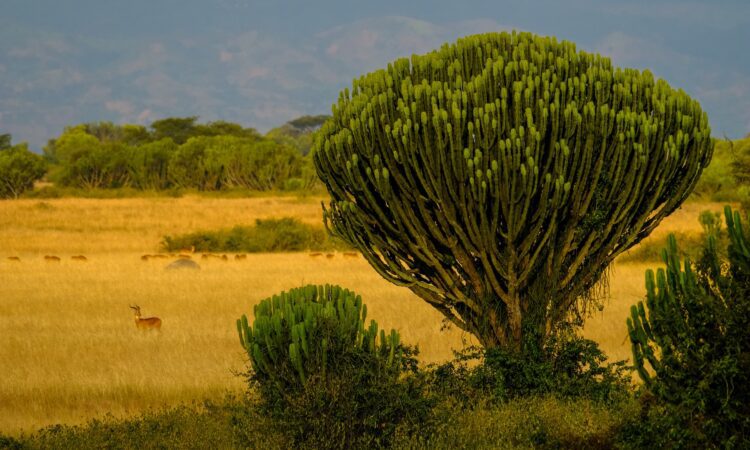
The park has many vegetation types, including papyrus swamps, wetlands, grasslands, riverbanks, and forest zones. These habitats support wildlife and local communities around the park.
History of Virunga National Park
Virunga National Park was first created in 1925 and was originally called Albert National Park. It was Africa’s first national park and was established by European conservation groups to protect wildlife and study local cultures. The first mapping mission was led by a man named Derscheid and covered areas around Mount Mikeno and Mount Karisimbi.
In 1929, the park was expanded to include Rutshuru, the southern plains of Lake Edward, and the Virunga Mountains. This increased the park size to about 2,920 square kilometers at the time.
In the 1950s, cattle herders entered parts of the park, which reduced food sources for gorillas. After Congo became independent in 1960, the government took control of all land. This led to conflict with local people, and illegal hunting increased.
In 1969, two protected areas were merged to form Virunga National Park. In 1979, UNESCO listed the park as a World Heritage Site. In 1994, due to conflict and damage, it was placed on the World Heritage in Danger list.
The 1990s brought major conflict to the region, including the Rwandan Genocide and two Congolese wars. Many animals were killed, park facilities were destroyed, and several rangers lost their lives. Thousands of refugees also entered the park.
In 1996, Virunga was recognized as a Ramsar Wetland of International Importance. In 2010, the Congolese government partnered with the African Conservation Fund to help manage the park. The European Commission now supports much of the park’s management costs. Armed rangers protect the park from poachers and illegal groups.
In 2011, Soco International was allowed to search for oil in the park. Park authorities opposed this decision. After protests and the death of a ranger in 2014, the company stopped its activities.
Between 2017 and 2018, several rangers were killed, and tourists were kidnapped but later released. The park was closed in June 2018 and reopened in February 2019.
Gorilla Permits in Congo
Gorilla trekking permits in Congo are cheaper than in Uganda and Rwanda. A gorilla permit in Virunga National Park costs 400 USD per person in both high and low seasons. The low season runs from mid March to mid May and from mid October to mid December.
In comparison, gorilla permits cost 800 USD in Uganda and 1,500 USD in Rwanda. Rwanda sometimes offers discounts in the low season for visitors who tour all national parks.
Only eight healthy visitors aged 15 years and above are allowed to visit one gorilla family per day. Visitors spend one hour with the gorillas.
Hiking Tours in Virunga National Park
Virunga offers volcano hiking experiences. Mount Nyiragongo is the most popular hike because it is considered safer and well managed. The hike includes an overnight stay at the summit to view the lava lake.
Mount Nyamuragira and Mount Mikeno are very steep and dangerous. These hikes are not recommended due to safety risks. In the future, better trails may allow access, but currently only Nyiragongo is advised.
Senkwekwe Gorilla Orphanage
The Senkwekwe Gorilla Orphanage is located at the park headquarters in Rumangabo. The site also serves as a military base.
The orphanage cares for gorillas rescued from poachers and illegal wildlife traders. It is named after Senkwekwe, a silverback gorilla from the Rugendo family who was killed in 2007.
The first rescued gorillas were Ndeze and Ndakasi. Later, other orphans were brought in, including Koboko and Maisha, who later died due to health problems. The center also looks after orphaned eastern lowland gorillas.
Visitors can see the orphanage while visiting Virunga National Park. There is no entrance fee, but donations are welcome. These donations help support gorilla care and conservation work.
Safety in Virunga National Park
Safety in Virunga can change over time. There have been periods of normal tourism and periods of insecurity. Visitors must always check with their tour operator or the park authorities before traveling.
There have been incidents involving tourists, including kidnappings. Although tourists were rescued, these events affected travel confidence. Because of this, many travelers choose Rwanda or Uganda for gorilla trekking.
When security is stable and confirmed, Virunga can be visited safely. Proper planning and guided travel are required.
Location of Virunga National Park
Virunga National Park is located near Goma and Lake Kivu. It is part of the Virunga Conservation Area, which extends into Rwanda and Uganda.
The conservation area includes eight volcanoes: Mount Nyamuragira, Mount Mikeno, Mount Bisoke, Mount Karisimbi, Mount Gahinga, Mount Sabyinyo, Mount Nyiragongo, and Mount Muhabura.
Many visitors enter the park from Rwanda through the Gisenyi Goma border. Some choose to stay in Gisenyi, Rwanda, and visit Virunga during the day.
Best Time to Visit Virunga National Park
Virunga can be visited all year. The best time is during the dry season when roads are easier to use and trekking trails are less muddy. Gorilla tracking is also easier when vegetation is thinner.
During the rainy season, hotels often lower prices, which is good for budget travelers. However, rain can delay activities.
Accommodation in and Around Virunga
Accommodation options range from basic to comfortable. Options include Bukima Tented Camp, Kibumba Tented Camp, Mikeno Lodge, Lulimbi Tented Camp, and hotels in Goma such as VIP Palace 1 Hotel.
Virunga National Park remains one of Africa’s most important conservation areas. With careful planning and up to date security information, it offers rare wildlife experiences found nowhere else.