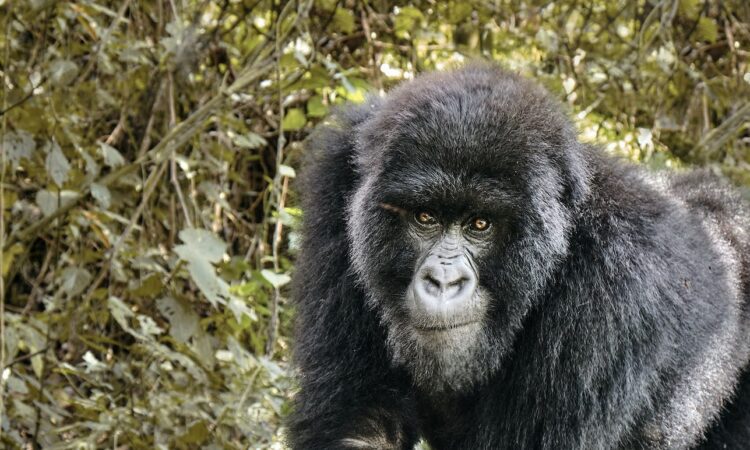
Mgahinga Gorilla National Park is located in southwestern Uganda at the border with Rwanda and the Democratic Republic of the Congo. The park covers only 23 square kilometers, which makes it the smallest national park in Uganda. Even though it is small in size, the park plays a very important role in protecting endangered mountain gorillas and other rare wildlife.
The park gets its name from Mount Gahinga. The word “Gahinga” means piles of stones. This refers to the stone heaps found in nearby farmlands, which were cleared to prepare land for farming on the volcanic slopes.
Mgahinga Gorilla National Park lies at an altitude between 2,247 and 4,127 meters above sea level. Because of this elevation range, the park supports different vegetation zones. These include rainforest, bamboo forest, Albertine Rift montane forest, alpine vegetation, tree heath, and montane moorland.
History of Mgahinga Gorilla National Park
The Batwa people were the first known inhabitants of the forests in this area. They are believed to have lived here for more than 500,000 years as forest hunters and gatherers. In 1930, the British colonial government declared the area a game sanctuary to protect wildlife.
Mgahinga was officially declared a national park in 1991. Before this, parts of the lower forest were used for farming. In the late 1980s and early 1990s, surveys were carried out, park rangers were trained, and local communities were relocated outside the forest. Traps used for hunting were removed to protect wildlife.
In 2013, members of the M23 rebel group from Congo surrendered to the Congolese army inside the park, marking an important security event in the area.
Gorilla Trekking in Mgahinga Gorilla National Park
Gorilla trekking is the main activity in Mgahinga Gorilla National Park. Treks begin early in the morning at Ntebeko Visitor Centre. Here, visitors are briefed by park rangers, assigned a gorilla group, and informed about the rules to follow during the trek.
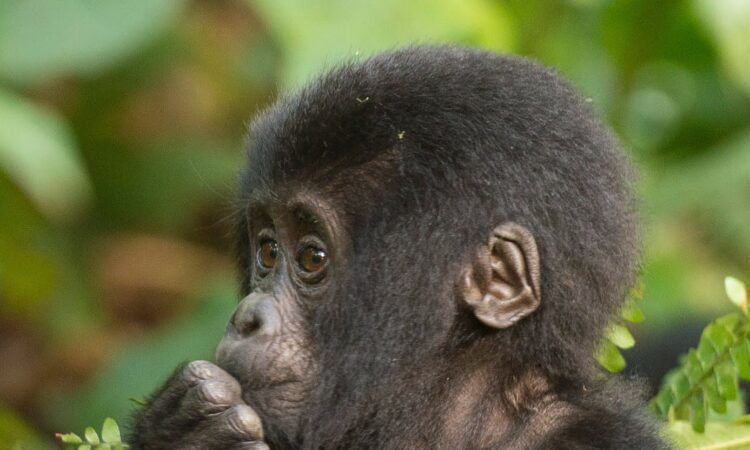
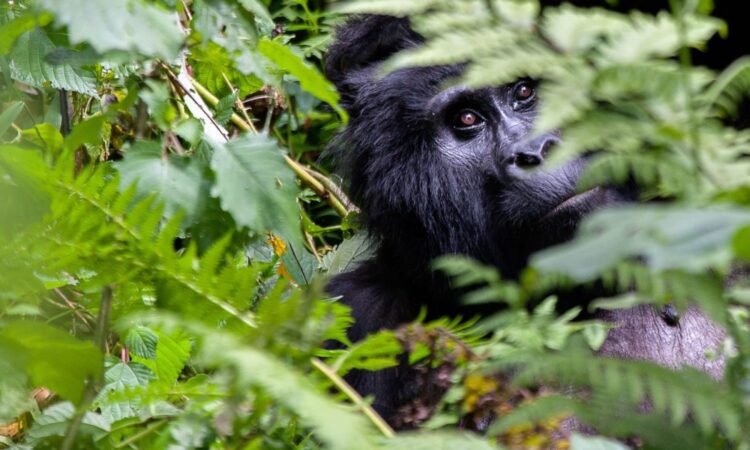
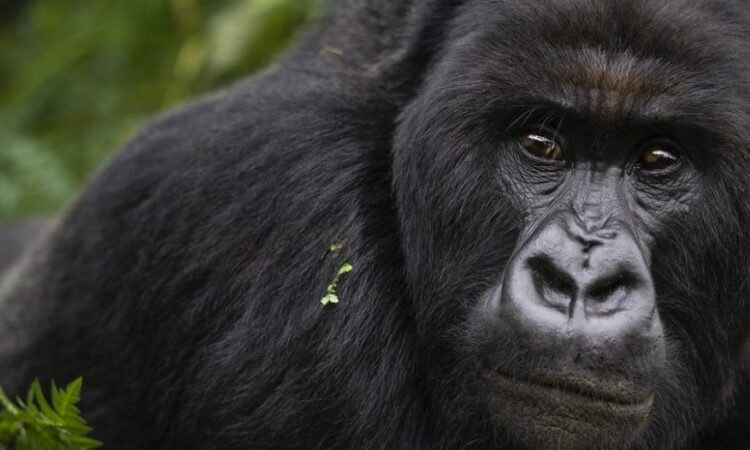
Mountain gorillas live only in the Virunga region and Bwindi Impenetrable National Park. Mgahinga has one habituated gorilla group available for visitors and another group still under habituation. The trek can take between three and four hours, sometimes longer, depending on where the gorillas are located.
Visitors are allowed to spend one hour with the gorillas once they are found. Photography is allowed, but all trekking rules must be followed. Trekkers need to be physically fit because the forest terrain is steep and thick. Proper trekking gear is required, including waterproof hiking boots, gloves, raincoat, long sleeved clothes, insect repellent, sunscreen, sunglasses, and a hat.
Mgahinga Gorilla Permits
A gorilla permit is required for anyone who wants to trek mountain gorillas in Mgahinga. Permits can be purchased through a licensed tour operator or directly from the Uganda Wildlife Authority. It is advised to book permits at least three months in advance.
Gorilla trekking permits cost 800 US dollars per person. Gorilla habituation permits cost 1,500 US dollars per person. Habituation allows visitors to spend more time with gorillas as they are trained to get used to humans. Golden monkey tracking permits cost 100 US dollars per person and include park entry fees.
Golden Monkey Tracking
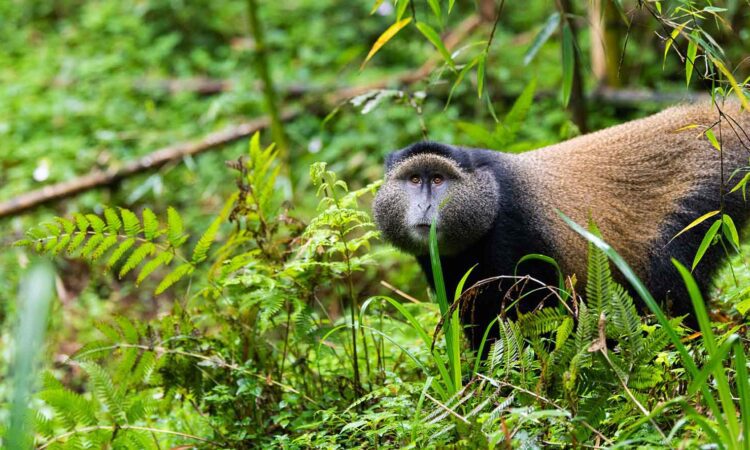
Golden monkeys are rare primates found only in the Virunga region. Mgahinga Gorilla National Park has a good population of golden monkeys that live mainly in the bamboo forest. A group can have up to 100 individuals led by an alpha male.
There are habituated golden monkey groups in the park. Unlike gorilla trekking, visitors can spend up to four hours with the monkeys. There is no strict limit on the number of visitors, and camera flash is allowed. Golden monkey tracking is easier because it takes place at lower elevations.
Hiking and Nature Walks
Mgahinga Gorilla National Park includes three volcanoes that are part of the Virunga range. These are Mount Gahinga, Mount Sabyinyo, and Mount Muhabura. Visitors can hike these volcanoes with a guide or take guided nature walks through the forest.
Nature walks allow visitors to see plants, birds, and small animals while learning about the park’s ecology from a ranger guide.
Cultural Encounters with the Batwa
After wildlife activities, visitors can take part in a Batwa cultural experience. The Batwa lived in the forest for thousands of years before being relocated when the park was created. They depended on hunting, gathering, and forest plants for medicine.
The Batwa Trail is guided by Batwa community members. Visitors learn about traditional hunting methods, medicinal plants, and daily forest life. The trail includes a visit to Garama Cave, which was once used by Batwa leaders. The experience ends with songs and dances performed by the Batwa people.
Bird Watching
Mgahinga Gorilla National Park is home to about 79 bird species, including several that are restricted to the Albertine Rift. Birds that can be seen include yellow crowned canary, grassland pipit, white eyed slaty flycatcher, cinnamon chested bee eater, Chubb’s cisticola, Doherty’s bush shrike, yellow throated longclaw, Kivu ground thrush, bronze sunbird, blue headed sunbird, Rwenzori batis, dusky turtle dove, black headed waxbill, streaky seedeater, Cape robin chat, and brown crowned tchagra.
Location and How to Get There
Mgahinga Gorilla National Park is in southwestern Uganda near the borders with Rwanda and the Democratic Republic of the Congo. The park can be reached by road from Kampala in about eight to nine hours.
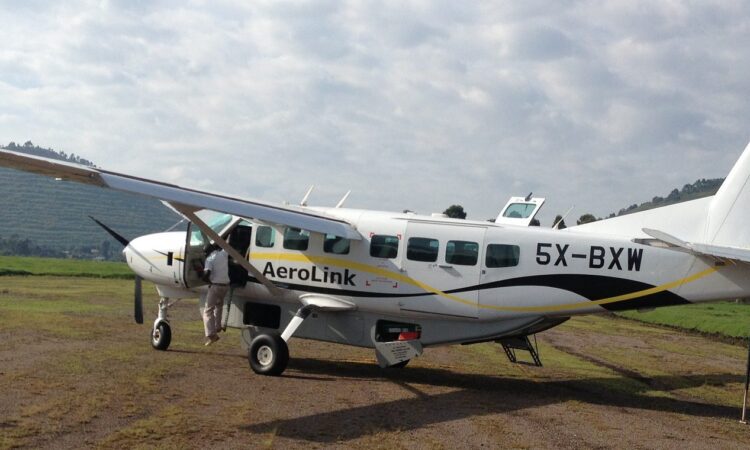
There are also domestic flights to Kisoro Airstrip from Entebbe International Airport or Kajjansi Airfield. Some travelers fly to Kigali in Rwanda and then drive about four hours to the park.
Best Time to Visit Mgahinga Gorilla National Park
The park is open throughout the year. The best time to visit is during the dry seasons from June to August and December to February. During these months, roads are easier to use, forest trails are clearer, and photography conditions are better.
Accommodation Near Mgahinga Gorilla National Park
There are many accommodation options in and around the park, mainly in Kisoro. These include River Mucha Hotel, Kisoro Travelers Rest Inn, Chameleon Hill Lodge, Lake Mulehe Safari Lodge, Community Campground, Virunga Hotel, Kisoro Tourist Hotel, and Mgahinga Safari Lodge.
Mgahinga Gorilla National Park is a key destination for gorilla trekking, golden monkey tracking, hiking, bird watching, and cultural experiences in Uganda.