Semuliki National Park is found in western Uganda, in Bundibugyo District. It is the only lowland tropical rain-forest national park in East Africa. The park covers an area of about 219 square kilometers and lies within the Albertine Rift region.
Semuliki Valley National Park is known as one of the richest areas in Africa for plants and animals. The park receives about 1,250 millimeters of rainfall each year. Because of this heavy rainfall, flooding is common in some parts of the park during the rainy season.
Geography & Environment
Semuliki lies at the meeting point of several ecological zones. The forest is part of the larger Ituri Forest of the Congo Basin. This rain-forest is one of the oldest in Africa and survived the last ice age. This history explains why the park supports many plant and animal species that are not found elsewhere in Uganda.
The park landscape is mostly flat and low lying. This is very different from other Ugandan national parks, which are often hilly or mountainous. Semuliki also lies close to the Rwenzori Mountains and Lake Albert, which influence its climate and wildlife.
Entry Fees
The entrance fee for Semuliki National Park is 35 US dollars for foreign non residents, 25 US dollars for foreign residents, and 15,000 Uganda shillings for East African citizens.
History of Semuliki Valley National Park
Semuliki Valley National Park was first declared a forest reserve in 1933 by the colonial government. It was later managed by the Ugandan government under the forest department. In October 1993, the area was upgraded to national park status. This makes Semuliki one of the newest national parks in Uganda.
Animals in Semuliki Valley National Park
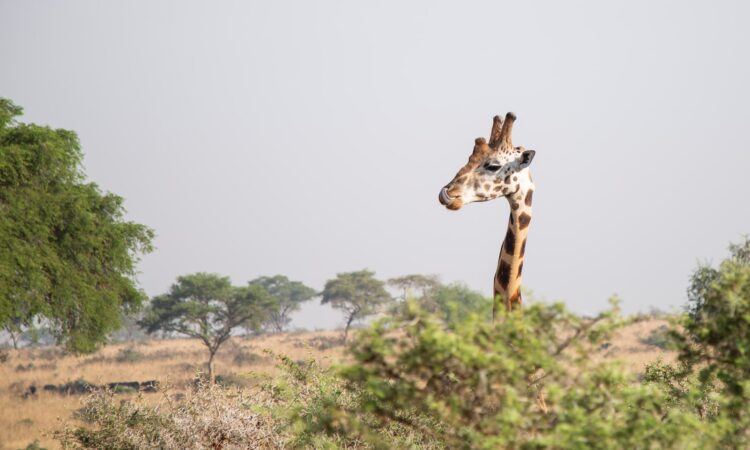
Semuliki Valley National Park is home to about 60 mammal species. Eleven of these species are not found in any other national park in Uganda. Mammals found here include pygmy antelope, water chevrotain, forest elephants, buffaloes, bush babies, and flying squirrels.
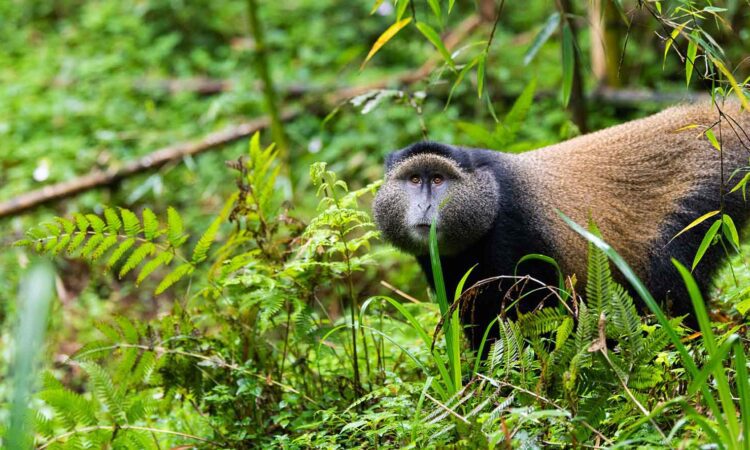
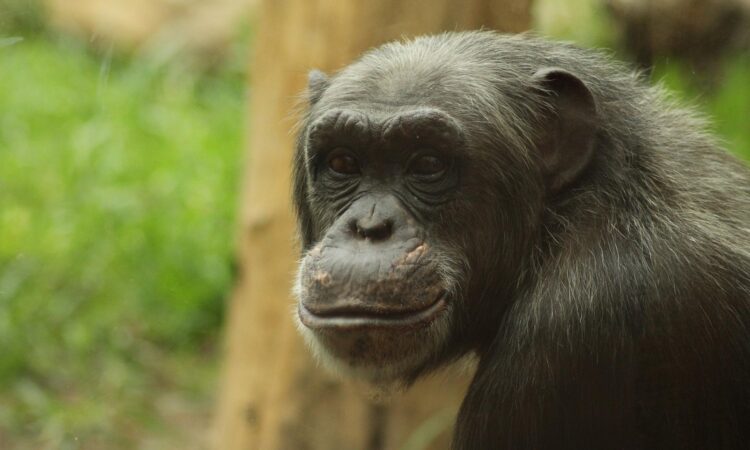
The park also supports many primate species. These include chimpanzees, olive baboons, black and white colobus monkeys, red tailed monkeys, De Brazza monkeys, vervet monkeys, blue monkeys, Dent’s mona monkeys, Central African red colobus, and grey cheeked mangabey. Primate sightings are common during guided forest walks.
Sempaya Hot Springs
The Sempaya Hot Springs are the main attraction in the park. They are divided into two parts, known as the male and female hot springs.
According to the Bamaga clan, a local story explains how these springs formed. Long ago, women went into the forest to collect firewood and saw a hairy man with a spear and a dog. The man later lived in the village and was named Biteete. One day he went hunting and never returned. His spear was found at the site of the male hot spring.
His wife, Nyansimbi, ran into the forest after hearing the news and was never seen again. Her clothes were found at the site of the female hot spring. The local people believe the spirits of their ancestors live beneath the springs. Each year, they perform rituals at the springs. Scientists explain the springs as a result of underground geothermal activity. The water is very hot and can boil an egg.
Bird Watching
Semuliki Valley National Park is one of the best birding destinations in Uganda. More than 400 bird species have been recorded here. Forty six species come from the Guinea Congo forest region, and five species are found only in the Albertine Rift.
Birds you may see include Sassi’s olive greenbul, lyre tailed honeyguide, yellow throated cuckoo, piping hornbill, red billed dwarf hornbill, red rumped tinkerbird, white crested hornbill, yellow throated nicator, leaflove, swamp palm bulbul, crested malimbe, lemon bellied crombec, blue billed malimbe, chestnut breasted nigrofinch, orange cheeked waxbill, African piculet, and blue headed crested flycatcher.
Sport Fishing
Sport fishing is allowed in specific areas of the park. Visitors must bring their own fishing equipment and obtain a fishing permit before starting. Fish caught can be prepared at the lodge.
Primate Walks
Primate walks are popular in Semuliki Valley National Park. With guidance from a ranger, visitors may see chimpanzees, black and white colobus monkeys, red tailed monkeys, olive baboons, blue monkeys, and other forest primates.
Nature Walks & Hiking
There are three main walking trails in the park. These are the Red Monkey Track, the Sempaya Nature Trail, and the Kirumia Trail. Guided walks along these trails allow visitors to learn about forest plants, insects, birds, and animals.
Location & Access
Semuliki Valley National Park lies in the Albertine Rift near the border with the Democratic Republic of the Congo. The park is about 52 kilometers from Fort Portal.
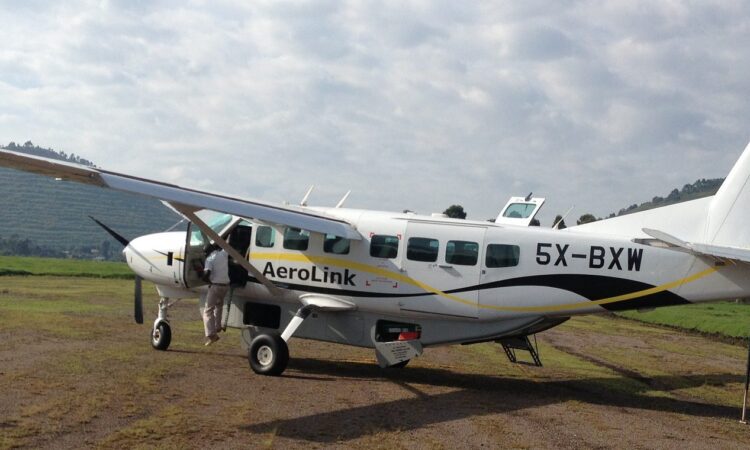
From Kampala, you can reach the park by road through Fort Portal in about four to five hours. Another route passes through Kasese and takes about seven to eight hours.
Best Time to Visit
Semuliki Valley National Park can be visited all year, but the best time is during the dry seasons from June to August and December to February. During rainy seasons, flooding can make roads and walking trails difficult.
Accommodation
Accommodation options around the park are limited but comfortable. These include Semuliki Safari Lodge, Nyati Game Lodge, UWA Bandas and Cottages, and Hotel Vanilla. Camping is also allowed inside the park.
Semuliki Valley National Park is a special destination for travelers interested in rainforest life, birds, primates, and natural hot springs.