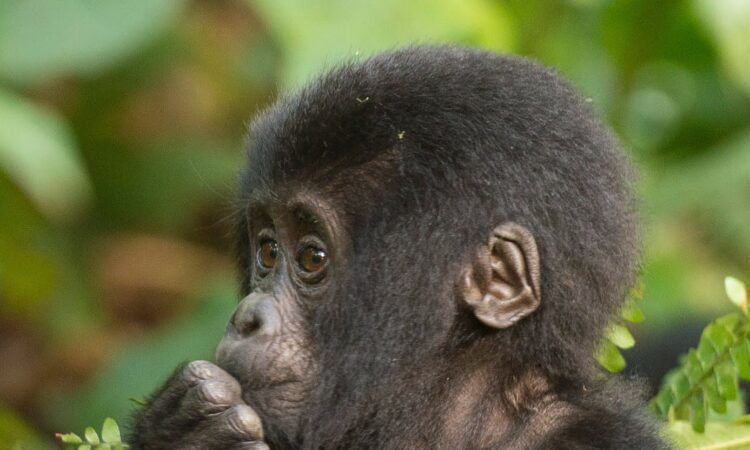
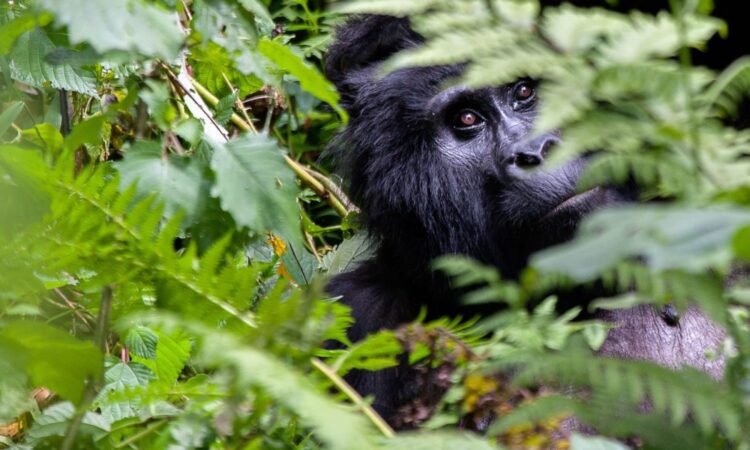
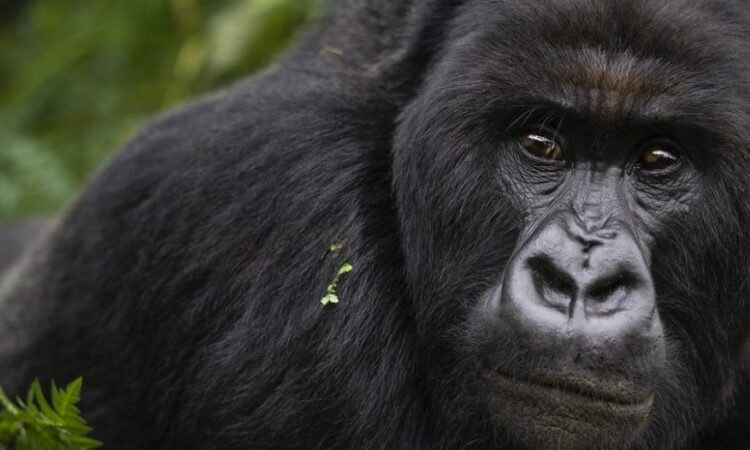
Rwanda, often called the land of a thousand hills, is located in east central Africa. It is one of only three African countries where visitors can see endangered mountain gorillas in the wild. These primates live in tropical rainforests and share more than 95 percent of their DNA with humans. Because of this close link, gorilla trekking is one of the main reasons travelers visit Rwanda.
Compared to other African countries with many protected areas, Rwanda has only four national parks. Even so, each park offers a different experience, ranging from gorilla trekking and volcano hiking to chimpanzee tracking, bird watching, and cultural visits. Below is a clear guide to the main national parks in Rwanda and what you can do in each one.
Volcanoes National Park
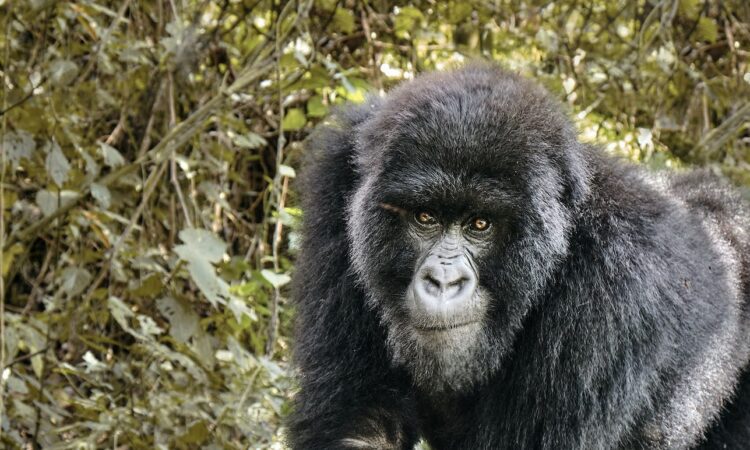
Volcanoes National Park is Rwanda’s most famous park. It is home to endangered mountain gorillas, which are found only in Rwanda, Uganda, and the Democratic Republic of Congo. The park is about a two hour drive from Kigali International Airport, making it easy to reach.
Volcanoes National Park was also the research base of Dian Fossey, an American scientist who studied and protected mountain gorillas until her death in 1986. Her work helped save gorillas from extinction.
Mountain gorillas share about 98 percent of human DNA. They have low birth rates, with females fertile for only a few days each month. Pregnancy lasts about eight and a half months, and a female usually gives birth to four to six babies in her lifetime.
The park includes five of the eight Virunga volcanoes. These are Mount Karisimbi, Mount Bisoke, Mount Sabinyo, Mount Gahinga, and Mount Muhabura. Each volcano offers a different hiking experience.
Gorilla trekking is the most popular activity in Volcanoes National Park. The trek can last from a short time to several hours, depending on where the gorillas are found. Only eight healthy visitors are allowed to visit one gorilla family each day. Visitors spend one hour with the gorillas. A gorilla permit costs 1,500 USD per person.
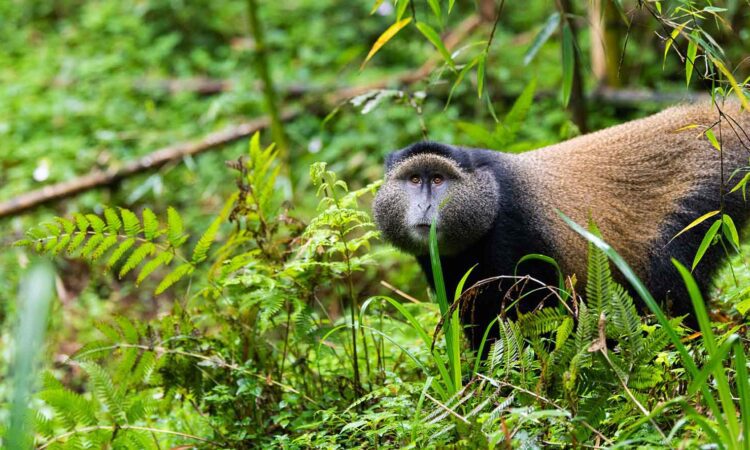
Golden monkey trekking is another activity in the park. Golden monkeys are rare and live only in the Virunga Volcanoes. Visitors can also enjoy guided nature walks, hiking to Dian Fossey’s tomb, cultural visits, and bird watching.
The park has about 180 bird species, including 16 found only in the Albertine Rift. Birds seen here include the blue spotted wood dove, cinnamon chested bee eater, baglafecht weaver, bateleur, African long eared owl, Rwenzori turaco, and Doherty’s bush shrike.
The Musanze Caves are also found inside the park. These caves are about two kilometers long and were formed by volcanic activity many years ago.
Nyungwe Forest National Park
Nyungwe Forest National Park is the largest tropical montane rain-forest in East and Central Africa. The park covers about 1,000 square kilometers and stretches toward Kibira National Park in Burundi.
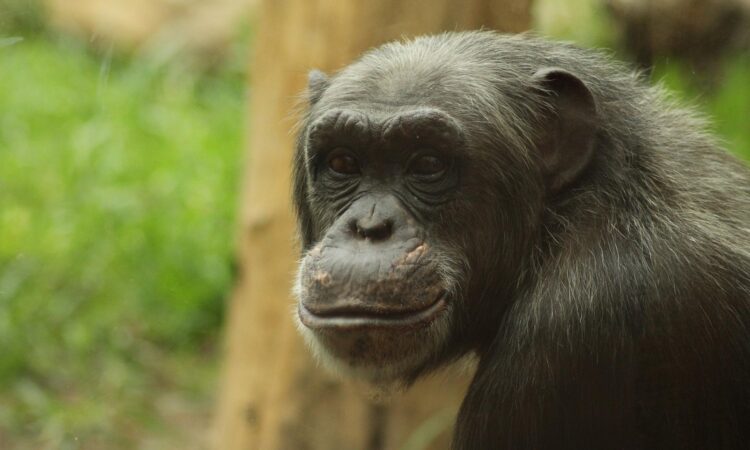
Nyungwe is home to 13 primate species, 75 mammal species, and about 300 bird species. Chimpanzee tracking is the main activity in the park. Chimpanzees share over 98 percent of their DNA with humans, and Nyungwe offers one of the best chances to see them in the wild.
The canopy walk is another main attraction. The walkway is about 50 meters above the forest floor and gives clear views of the forest canopy. It is one of the few canopy walks in East and Central Africa.
Nyungwe is also ideal for hiking and biking. The park has about 13 hiking trails, some running for more than 130 kilometers. Walks range from short hikes to multi day treks, with many trails leading to waterfalls and forest viewpoints.
Bird watching is very good here. Nyungwe has about 275 bird species. Some birds you may see include the handsome francolin, Rockefeller’s sunbird, strange weaver, Kivu ground thrush, and Rwenzori batis.
Cultural encounters are also possible, including visits to local communities to learn about cooking, basket making, and traditional dances.
Akagera National Park
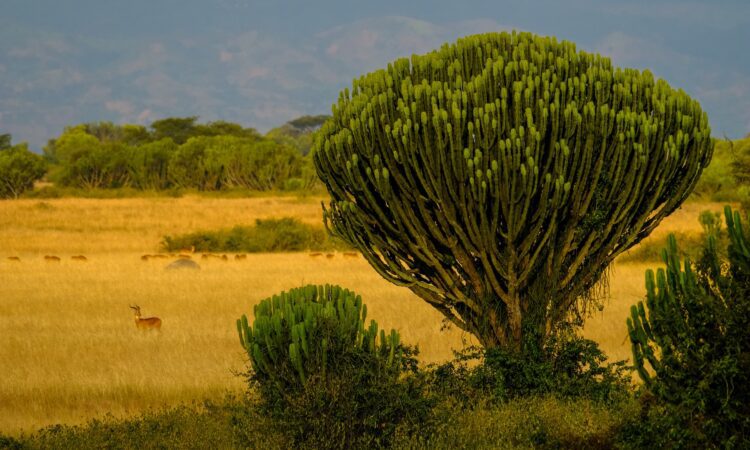
Akagera National Park is the largest protected wetland area in Africa. It is a good destination for wildlife viewing and bird watching. The park has recorded about 520 bird species, including many birds of prey.
Visitors to Akagera can enjoy game drives, bird watching, boat cruises, fishing along the Akagera River, and cultural visits to nearby communities.
In summary, Rwanda’s national parks offer a wide range of activities despite being few in number. From gorilla trekking in Volcanoes National Park to chimpanzee tracking in Nyungwe and wildlife viewing in Akagera, Rwanda provides meaningful and memorable travel experiences throughout the year.