Rwenzori Mountains National Park gets its name from the great Rwenzori Mountains, also known as the Mountains of the Moon. These mountains lie within the park and form one of Africa’s most important mountain systems. Rwenzori Mountains National Park is a UNESCO World Heritage Site because of its natural value and mountain ecosystem.
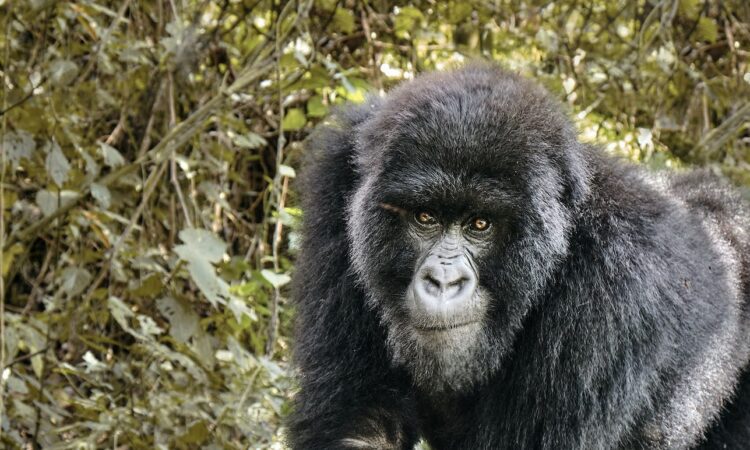
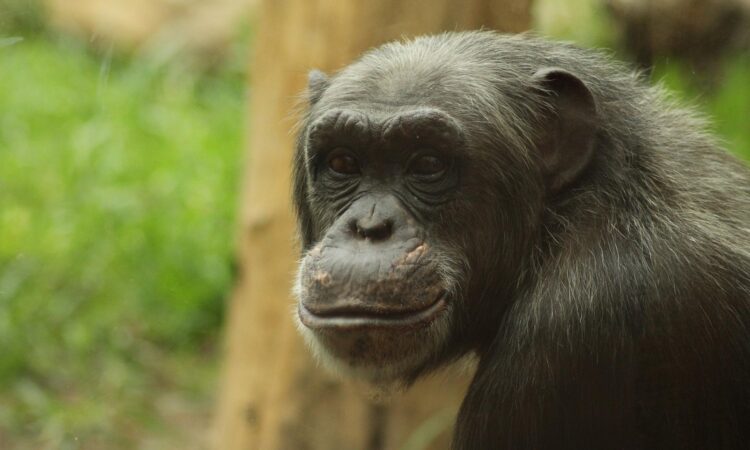
The park covers an area of about 998 square kilometers in western Uganda. It is well known for its rare plant life and unusual mountain vegetation. Many scientists consider the plant life here to be among the best examples of mountain botany in the world. The park is home to 15 butterfly species, about 89 bird species, around 70 mammal species, and four types of primates.
Unlike most mountains in East Africa, the Rwenzori Mountains are not volcanic. They were formed through tectonic movements when a block of rock was lifted from the western rift valley floor. The mountain valleys contain about 20 lakes that add to the beauty and ecological value of the park.
The highest point in the Rwenzori Mountains is Margherita Peak, found on Mount Stanley. This peak rises to 5,109 meters above sea level, making it the third highest mountain in Africa.
Climbing Mount Rwenzori
Trekking the Rwenzori Mountains is a demanding but rewarding adventure. It is best suited for experienced hikers because some sections require technical skills, especially at higher elevations. There are two main routes used to climb Mount Rwenzori.
The Central Circuit Trail is the most commonly used route. It passes through all the major vegetation zones of the mountain, from forest to alpine areas. This route takes about 8 days and 7 nights to complete.
The second option is the Kilembe Trail, also called the Southern Circuit. This route takes about 7 days and offers wide views of the mountain valleys and peaks. Both routes provide guided trekking with park rangers and support staff.
Birding in Rwenzori Mountains National Park
Rwenzori Mountains National Park is an important birding area. About 217 bird species have been recorded in the park, and 19 of these are only found in the Albertine Rift. Birds commonly seen include the long eared owl, Rwenzori turaco, Lagden’s bush shrike, golden winged sunbird, Archer’s robin chat, white starred robin, slender billed starling, cinnamon chested bee eater, blue headed sunbird, and bearded vulture.
Cultural Encounters
Communities live in the lower areas around Rwenzori Mountains National Park. These groups have strong cultural traditions linked to the mountains. One of the communities you can visit is the Ruboni community. Here, visitors can learn how iron tools such as knives are made, watch women weaving baskets, and enjoy traditional songs and dances performed by community members.
Best Time to Visit Rwenzori Mountains National Park
The best time to visit Rwenzori Mountains National Park is during the dry seasons from June to August and from December to February. During these months, hiking trails are easier to use and less slippery. Weather conditions are more stable, allowing clear views of the mountain peaks.
Visitors should carry proper hiking equipment. Recommended items include waterproof hiking boots, rain jackets, garden gloves, long sleeved clothes, insect repellent, sunglasses, and warm clothing for high altitude areas. Porters can be hired to help carry luggage during the trek for an extra fee.
Accommodation Near Rwenzori Mountains National Park
There are limited accommodation options inside the park itself, but many places are available in Kasese and nearby areas. Options include Margherita Peak Hotel, Ruboni Community Camp, Rwenzori International Hotel, Equator Snow Eco Lodge, Mbunga Community Tourism Campsite, Springs International Hotel, Uhuru 50 Hotel, and Bethel Guest House.
Rwenzori Mountains National Park is an ideal destination for travelers interested in mountain trekking, nature, birds, and cultural experiences in Uganda.