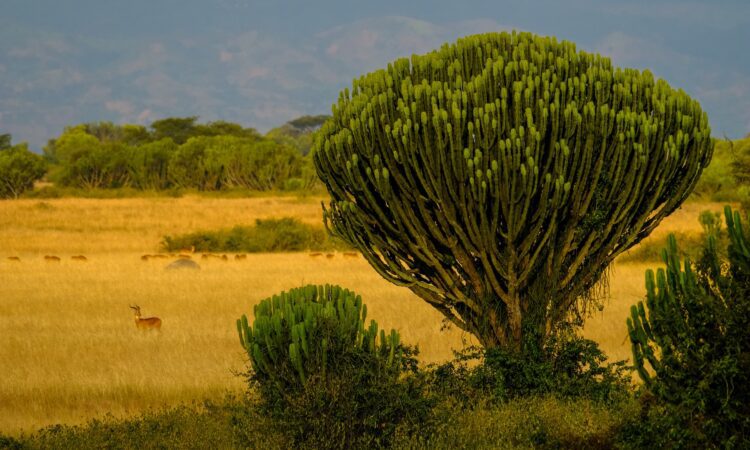
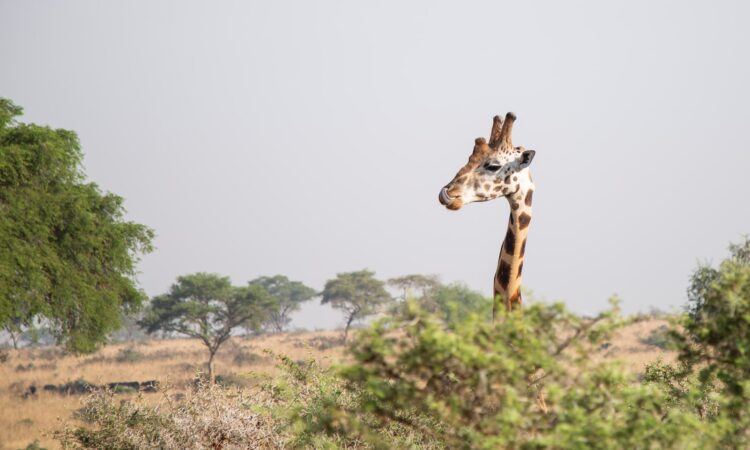
Queen Elizabeth National Park is located in western Uganda near the Rwenzori Mountains. The park covers an area of 1,978 square kilometers and lies along the equator. It is the most visited national park in Uganda. The park has forests, grasslands, wetlands, crater lakes, rivers, and open plains. Because of this mix of habitats, the park supports a very high number of animals and plants.
Queen Elizabeth National Park is especially known for its tree climbing lions. These lions are mainly found in the Ishasha sector and are only seen here and in Lake Manyara National Park in Tanzania. The park offers many activities such as game drives, boat cruises, chimpanzee tracking, bird watching, and nature walks.
History of Queen Elizabeth National Park
The Basongora pastoralists lived in the area that later became Queen Elizabeth National Park around 1921. They were forced to leave after outbreaks of sleeping sickness and rinderpest. These outbreaks were linked to livestock vaccination programs during the British colonial period.
The Basongora moved toward Virunga National Park in the Democratic Republic of the Congo. In 1964, they were again displaced during the Mulehe Rebellion and later returned to Uganda, settling near Lake Albert in 2006.
The park was first declared Kazinga Game Reserve in 1952. In 1954, it was renamed Queen Elizabeth National Park after the visit of Queen Elizabeth of England. In 2006, the park and Virunga National Park were recognized as a lion conservation unit by IUCN. Crocodiles in the Kazinga Channel disappeared for many years due to volcanic ash pollution but have recently returned.
Entry Fees
Entry fees are 40 US dollars for foreign non residents, 30 US dollars for foreign residents, and 20,000 Uganda shillings for East African citizens. Annual passes are available for residents and citizens. Vehicle and aircraft landing fees also apply depending on vehicle type.
Wildlife in Queen Elizabeth National Park
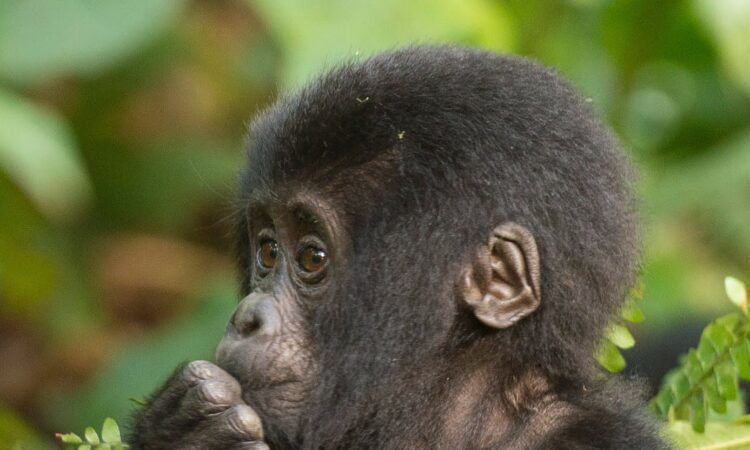
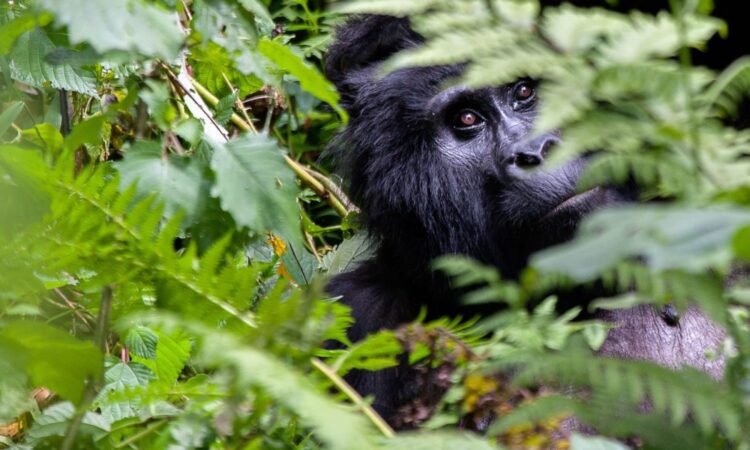
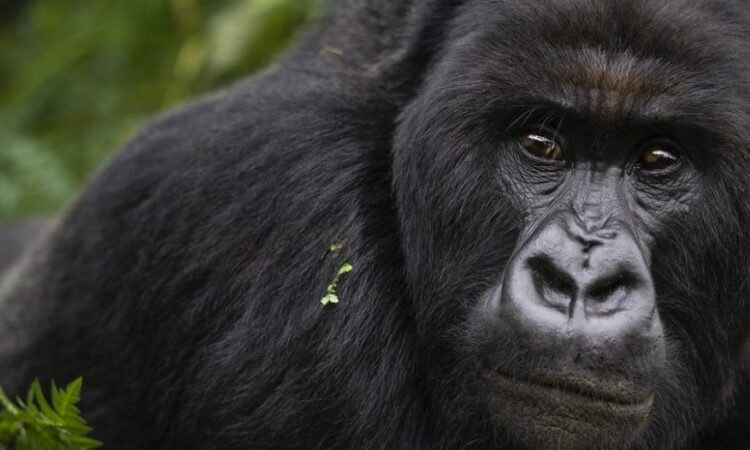
Queen Elizabeth National Park is home to about 90 mammal species and 10 primate species. Animals commonly seen include elephants, buffaloes, Uganda kob, topi, waterbucks, warthogs, bushbucks, redbucks, duikers, giant forest hogs, hippos, Nile crocodiles, lions, leopards, spotted hyenas, and jackals.
The Ishasha sector is famous for tree climbing lions that rest in fig and acacia trees. Balloon safaris are also offered in this area, giving visitors a chance to see animals early in the morning and enjoy breakfast in the bush.
Chimpanzee Tracking and Primates
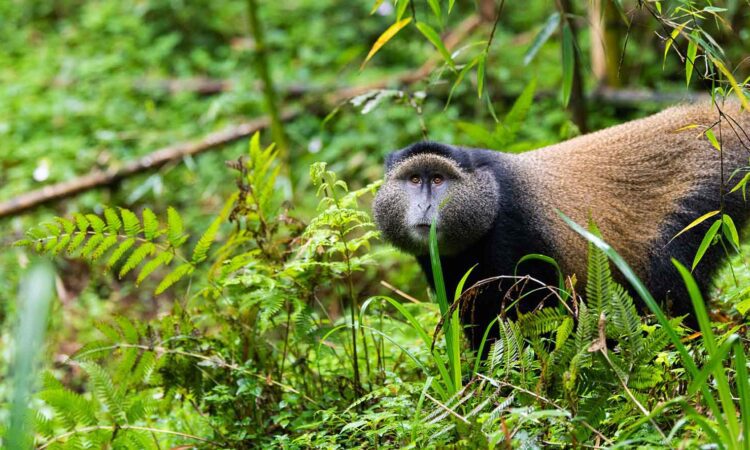
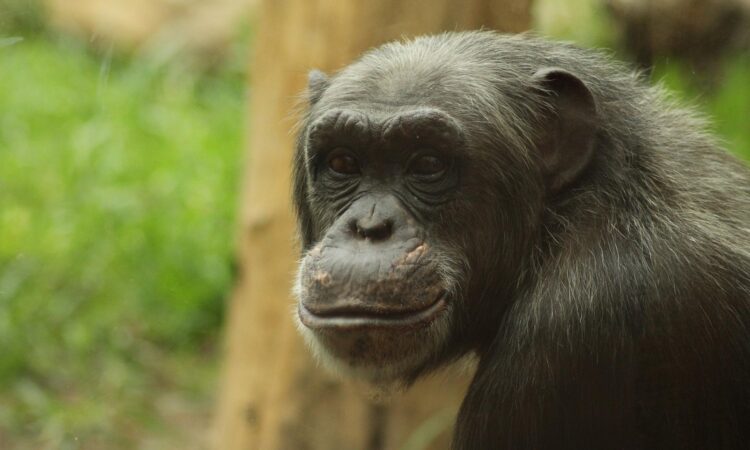
Chimpanzee tracking is done in Kyambura Gorge and Kalinzu Forest. Chimpanzees share about 98 percent of human DNA. During tracking, visitors may also see olive baboons, vervet monkeys, black and white colobus monkeys, and red tailed monkeys.
Bird Watching
Queen Elizabeth National Park has over 600 bird species. It ranks second in Africa and sixth in the world for bird diversity. Birds found in the park include blue naped mousebird, pygmy kingfisher, greater and lesser flamingos, slender tailed nightjar, black crowned tchagra, white tailed lark, pink backed pelican, black bellied bustard, grey kestrel, martial eagle, hooded vulture, and black lored babbler.
Boat Cruises on Kazinga Channel
Boat cruises on the Kazinga Channel are one of the main activities in the park. The channel connects Lake George and Lake Edward and is the longest natural channel in the world. Afternoon boat rides offer close views of hippos, crocodiles, elephants, buffaloes, and many water birds.
Location and Access
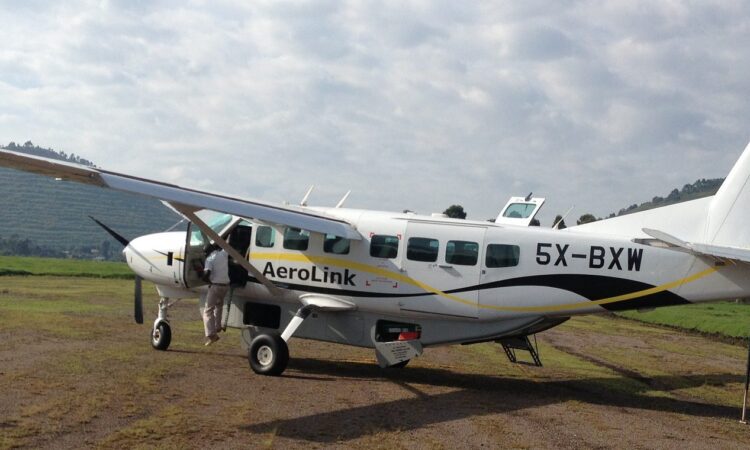
Queen Elizabeth National Park lies between Lake George and Lake Edward within the western Rift Valley. It is about 389 kilometers from Kampala and can be reached in about six hours by road through Masaka. Charter flights are available from Entebbe International Airport or Kajjansi Airfield.
The park falls within Rukungiri, Kamwenge, Kasese, and Rubirizi districts.
Best Time to Visit
The park can be visited all year. The best time for wildlife viewing is during the dry seasons from June to September and December to February when grass is short. Bird watching is best from November to April when migratory birds arrive from Europe and North Africa.
Accommodation
Queen Elizabeth National Park has many accommodation options for different budgets. These include Mweya Safari Lodge, Ishasha Wilderness Camp, Elephant Plains Lodge, Kyambura Gorge Lodge, Kasenyi Safari Camp, Enganzi Game Lodge, Elephant Hub Lodge, Jacana Safari Lodge, and many others.
Queen Elizabeth National Park remains one of Uganda’s top safari destinations for wildlife, birds, primates, and boat experiences.