Uganda has a tropical climate that supports tourism throughout the year. Understanding Uganda weather and climate helps visitors plan their trips better and choose the right time for activities. The hottest months of the year are January and February. During this period, daytime temperatures range between 24°C and 33°C. These months fall within the dry season, which is considered the best time to visit most tourist destinations in Uganda because roads and park trails are easier to use.
Uganda also experiences a wet season, which is different from the dry months. The wet season has two rainfall peaks. The short rains usually occur from September to November, while the long rains fall between March and May. These months are suitable for activities such as bird watching and community visits. During this time, vegetation grows well, and many bird species are easy to spot. However, some roads and walking trails can become muddy.
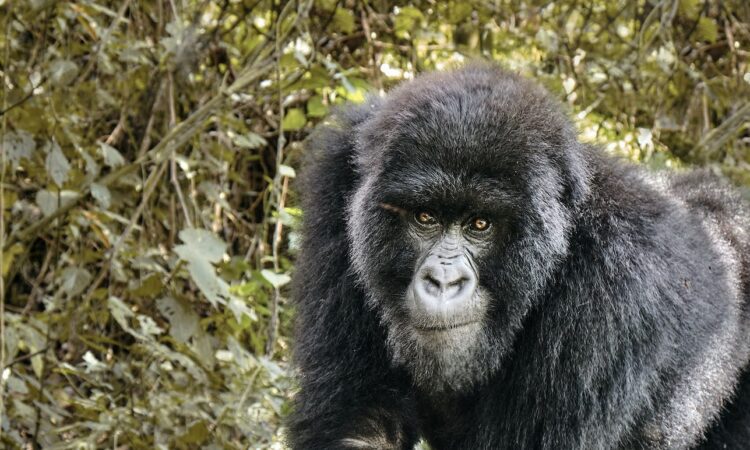
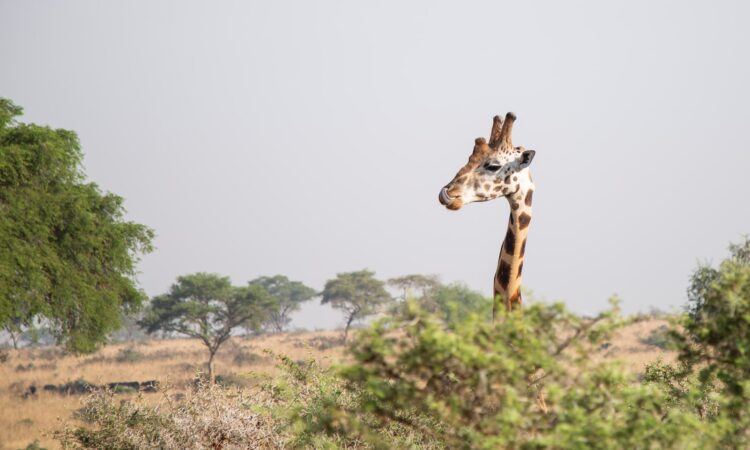
Weather conditions vary across different parts of the country. National parks in the southern regions are generally warmer during the dry season, though nights remain cool. The highland areas in the southwest, including Bwindi Impenetrable National Park and Mgahinga National Park, experience cooler or cold temperatures because of higher altitude. In contrast, northern areas such as Kidepo Valley National Park and Murchison Falls National Park are warmer, with daytime temperatures averaging around 32°C.
Uganda shows clear regional climate differences influenced by altitude, lakes, and mountains. Because of these factors, dry and wet seasons in some national parks may not exactly follow the national pattern. Kampala lies close to Lake Victoria, which helps keep its climate mild. Central and southern Uganda generally share similar weather conditions with Kampala, including warm days and moderate rainfall.
Before visiting Uganda, travelers are advised to study Uganda weather and climate carefully. It is important to understand how high temperatures combined with low rainfall can lead to dry conditions, or how heavy rains after a dry period may cause flooding. Temperature patterns are mainly influenced by elevation, with higher areas experiencing cooler conditions. Other factors such as water bodies, urban growth, and air movement also affect local climate.
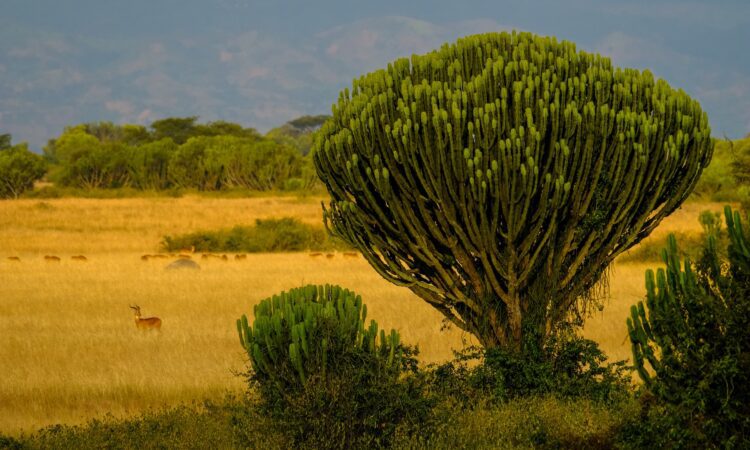
The dry season is popular among adventure travelers because park trails are dry and suitable for activities like game drives and trekking. However, very high temperatures can cause heat stress, especially for visitors not used to tropical climates. Wearing light clothing, using sunscreen, and staying hydrated are important. High temperatures can also increase the risk of wildfires and drought.
Compared to many African countries, Uganda weather and climate remain friendly for travel across most months of the year, making it a reliable destination for visitors.