There are many reasons why travelers choose to visit Rwanda. One of the main reasons is the chance to see mountain gorillas in their natural home. Gorilla trekking is one of the most popular activities in the country and attracts visitors from all over the world. This activity is mostly done during the dry season when forest trails are easier to walk on. During the wet season, trails can become slippery, but experienced trekkers can still take part in the trek.
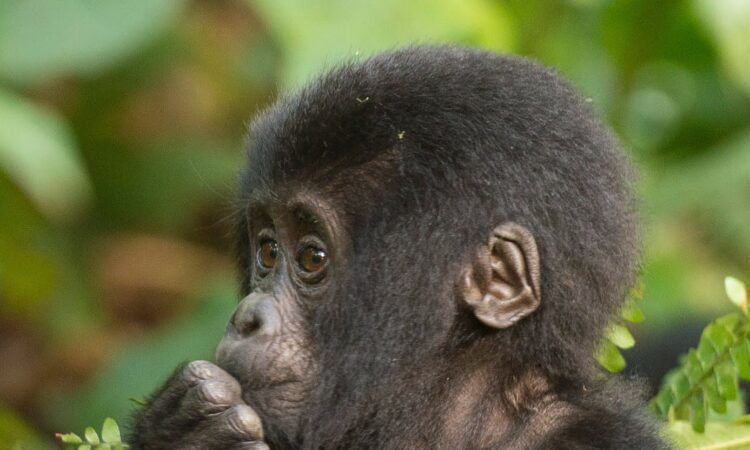
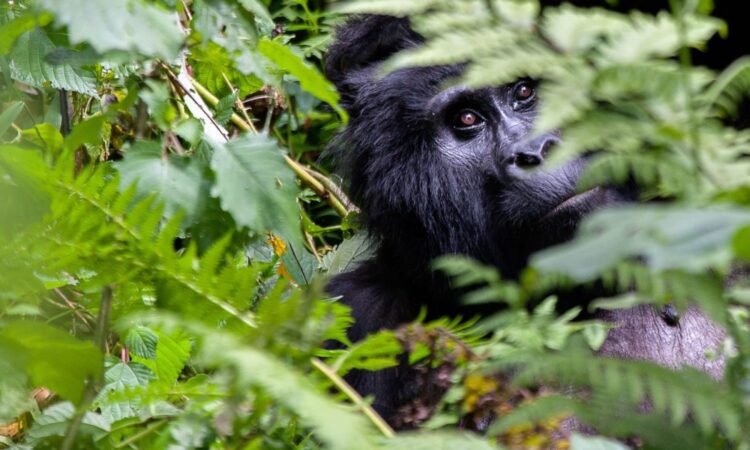
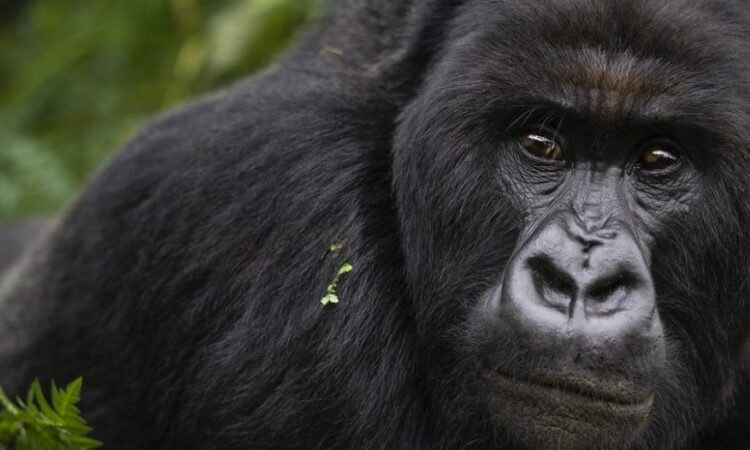
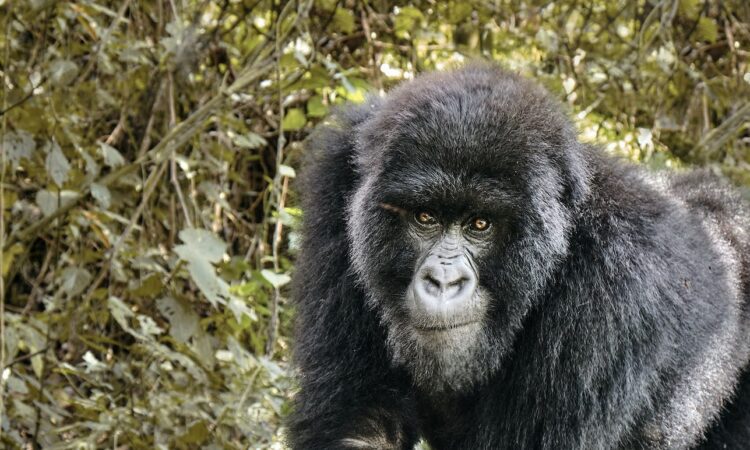
Mountain gorillas attract many visitors because of their close behavior to humans. They share part of human DNA, which makes watching them very special. Gorillas live mainly in forested areas and depend on fruits, leaves, flowers, roots, and insects for food. In Rwanda, they are mostly found in Volcanoes National Park. To protect these primates, the government controls the number of people allowed to visit them each day. Gorilla permits are limited and are often booked early, especially during high seasons.
Another strong reason why visit Rwanda is the chance to follow the history of gorilla conservation. Visitors can walk in the footsteps of the famous primatologist Dian Fossey by visiting her former research site. She dedicated her life to protecting gorillas and fought against poaching. Her work played a big role in saving mountain gorillas from extinction. Visiting her grave and research area helps visitors learn about her courage, education, and commitment to wildlife conservation.
Dian Fossey worked closely with gorillas and helped them get used to human presence. One of her most loved gorillas was a silverback named Digit. She later founded the Karisoke Research Center, which continues gorilla research and protection today. Her life in Africa was not easy. She once lived in the Democratic Republic of Congo before moving to Rwanda, where she continued her work until her death.
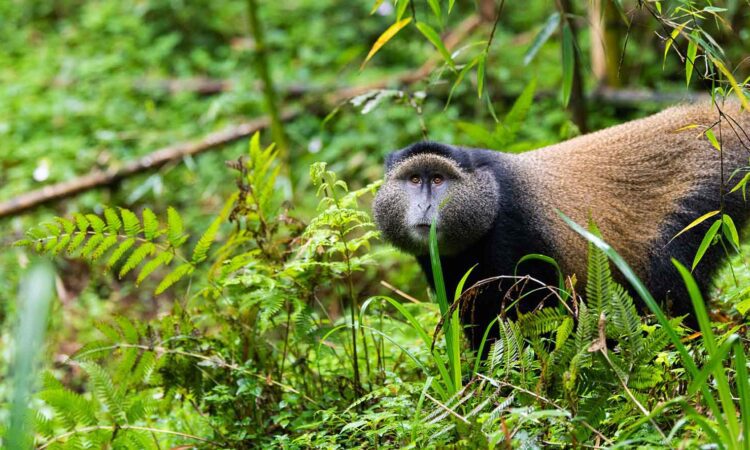
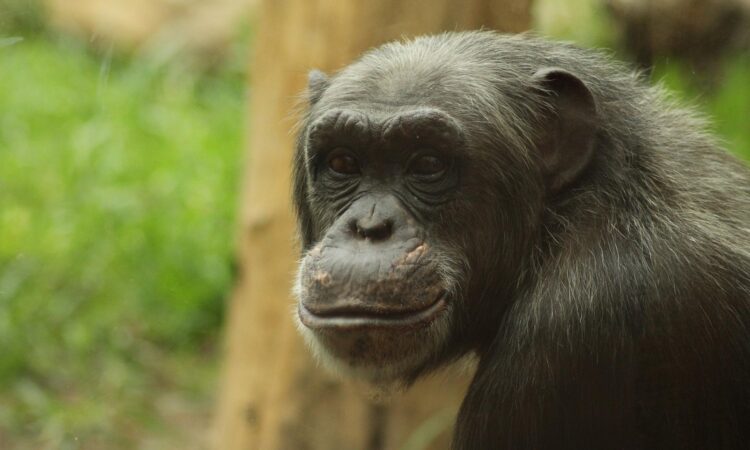
Rwanda is also rich in other primates. Visitors can explore forests and national parks such as Nyungwe Forest National Park and Gishwati-Mukura National Park. These parks are home to chimpanzees, golden monkeys, blue monkeys, black and white colobus monkeys, and other primates. Treks usually start early in the morning. Visitors are asked to stay quiet and follow their guides to avoid disturbing the animals.
Before any trek begins, rules are explained clearly. Only visitors aged fifteen years and above are allowed to take part, and a valid permit is required. It is advised to pack snacks, bottled water, insect repellent, a rain jacket, safari hat, binoculars, and a basic first aid kit.
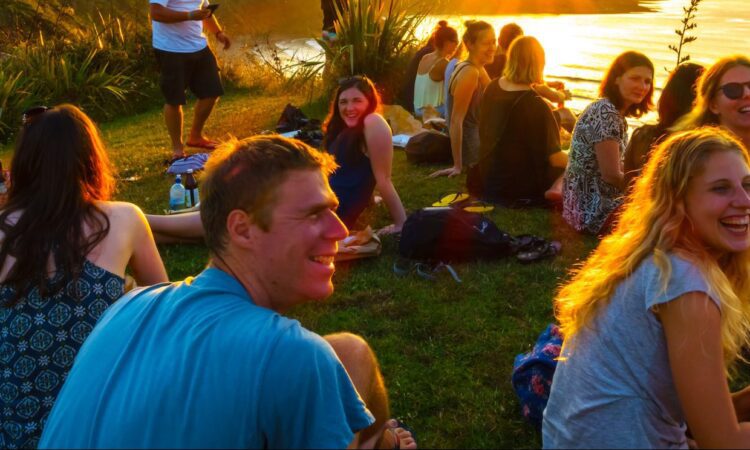
Beyond wildlife, Rwanda offers a modern and clean city experience in Kigali. Visitors can explore culture, history, and daily life, then relax near lakes and other calm water areas around the country.
Visit Rwanda for a memorable travel experience that combines wildlife, history, culture, and learning.