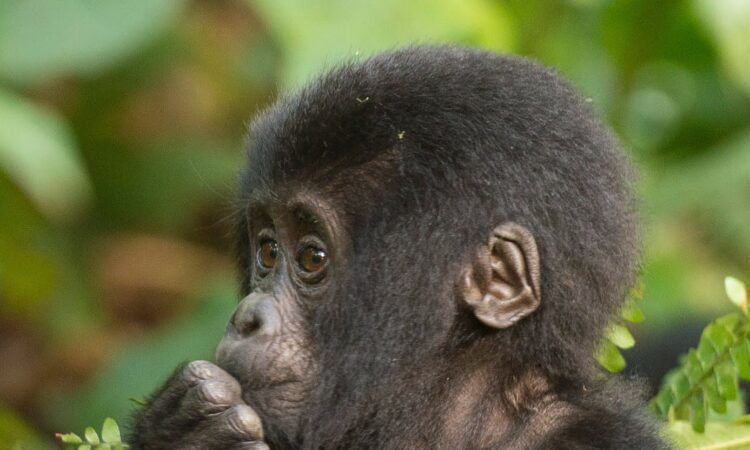
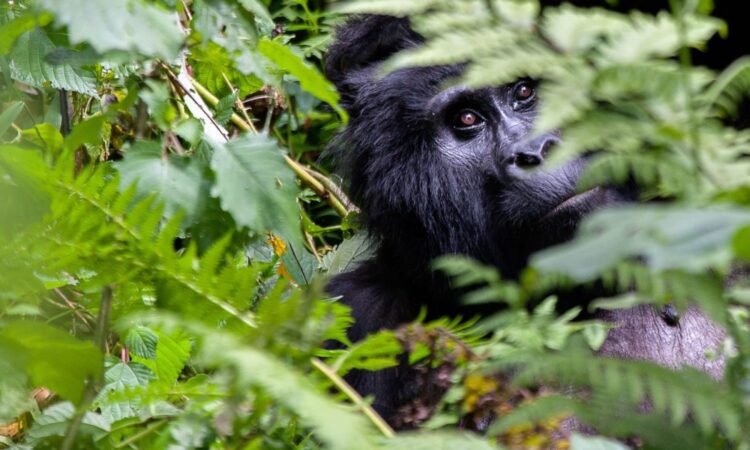
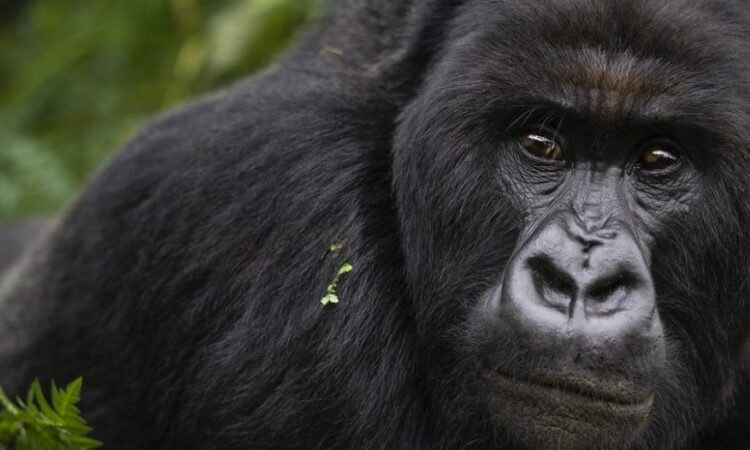
Gorilla trekking from Ireland is possible and well organized for travelers planning to visit Africa for a gorilla tracking safari. Many people are interested in understanding the process of traveling from Ireland to Uganda and Rwanda for this special wildlife experience.
Travelers can start their gorilla trekking safari from major cities in Ireland such as Dublin, Cork, Galway, Limerick, Belfast, and Derry. Ireland is one of the countries whose travelers frequently visit Africa for gorilla safaris. Gorilla tracking is one of the main activities many Irish tourists choose when planning an African safari holiday.
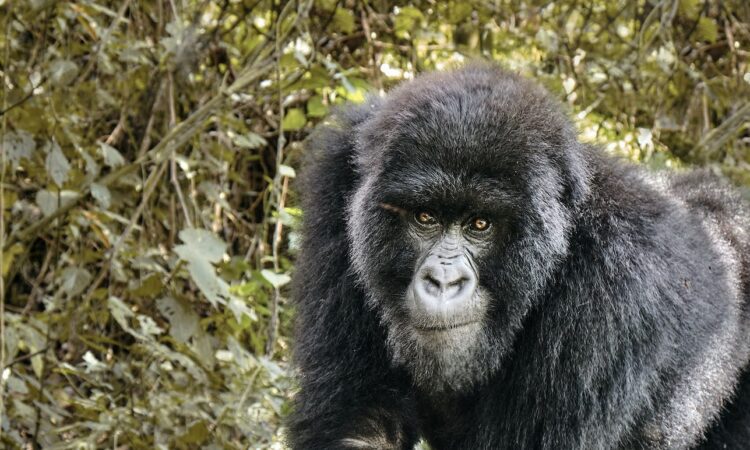
Gorilla trekking in Rwanda is done in Volcanoes National Park. In Uganda, gorilla tracking takes place in Bwindi Impenetrable National Park and Mgahinga Gorilla National Park. These parks are home to endangered mountain gorillas and are open for trekking throughout the year.
Travelers from Ireland can fly to Uganda or Rwanda from any major Irish airport. Those traveling to Uganda arrive through Entebbe International Airport and then continue by road to Bwindi or Mgahinga National Park. Travelers heading to Rwanda arrive at Kigali International Airport and then drive to Volcanoes National Park.
It is also possible to enter Uganda or Rwanda through neighboring countries. Travelers can cross from Kenya into Uganda using the Busia or Malaba border points. Entry from Rwanda into Uganda is possible through the Katuna border.
Several international airlines operate flights from Ireland to Uganda and Rwanda. These include Kenya Airways, Turkish Airlines, KLM, and Swiss. These airlines offer connecting flights through major international hubs.
Irish travelers need a visa to enter Uganda or Rwanda. The eVisa is the easiest option since applications are done online. After approval, travelers receive an electronic confirmation which is presented at immigration together with a valid passport.
The best time for Irish tourists to go gorilla trekking is from June to September and from December to February. These months are drier, though light rain can still occur due to the forest climate.