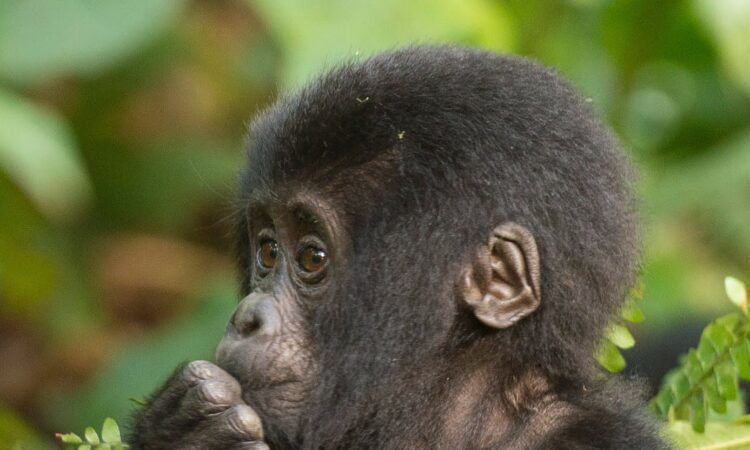
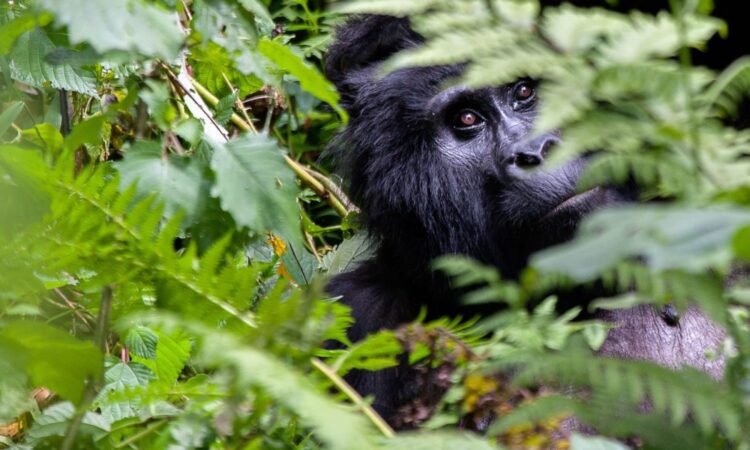
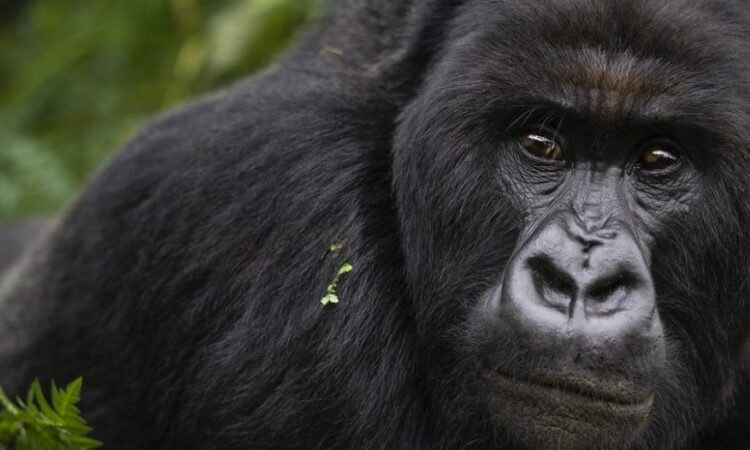
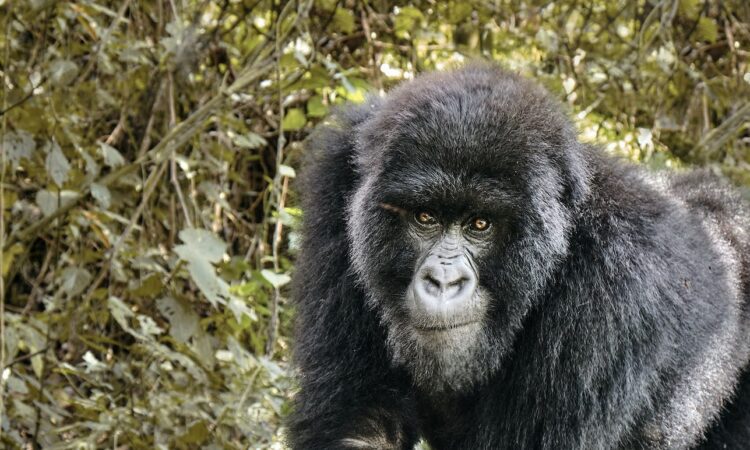
Gorilla trekking in April is possible and rewarding, even though April is part of the rainy season in Uganda and Rwanda. Gorilla trekking is a year round activity, and visitors can trek mountain gorillas from January to December. April still gives travelers a strong chance to see endangered mountain gorillas in their natural forest home.
April is considered a low season month for gorilla trekking. Because of the rains, fewer tourists choose to travel during this time. However, many travelers who have visited in April consider it one of the best months for a gorilla trekking safari. They enjoy fewer crowds and do not need to wait for the dry season to experience gorilla trekking.
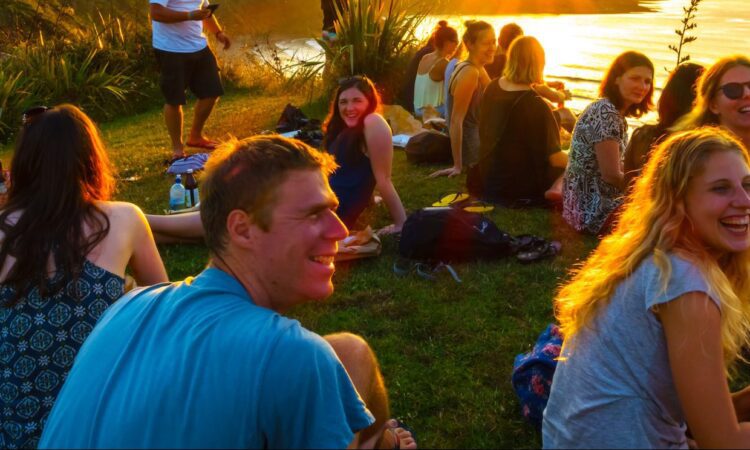
One of the main reasons travelers like gorilla trekking in April is the lower cost of accommodation. During this slow season, lodges and camps reduce their room rates to attract visitors. This is especially helpful for group travelers, as many lodges offer discounted prices for groups that want to take part in gorilla trekking. April allows travelers to enjoy the same gorilla experience at a lower overall cost.
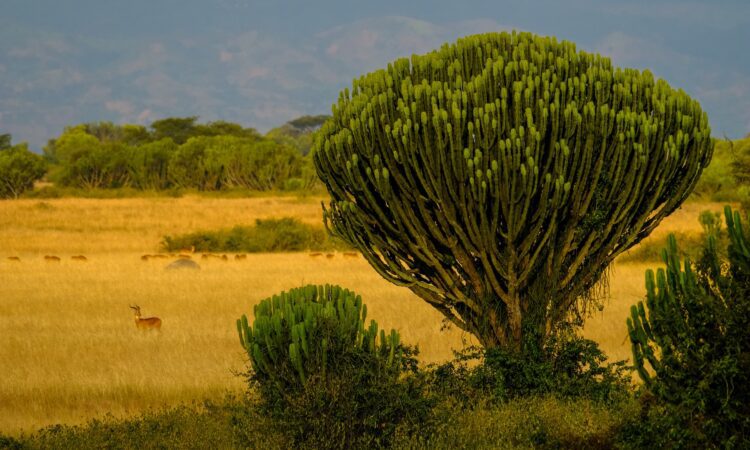
Another benefit of traveling in April is the forest environment. During the rainy season, trees and plants are in bloom. This attracts many bird species that come to feed on flowers. While trekking gorillas in Bwindi Impenetrable Forest National Park, visitors may hear bird calls and see birds moving through the forest canopy. This adds more value to the trekking experience, especially for bird lovers.
Because April is a rainy month, trekking conditions can be more demanding. Trails may be wet and slippery, but gorilla trekking is still manageable with proper preparation. Visitors are advised to pack waterproof jackets, strong hiking boots, and rain protection to stay comfortable during the trek.
Although April brings rain, it does not stop gorilla trekking activities. Rangers and guides continue to lead treks safely, and gorilla families are monitored daily. With good preparation and the right gear, gorilla trekking in April can be a calm, affordable, and meaningful experience with fewer visitors in the forest.