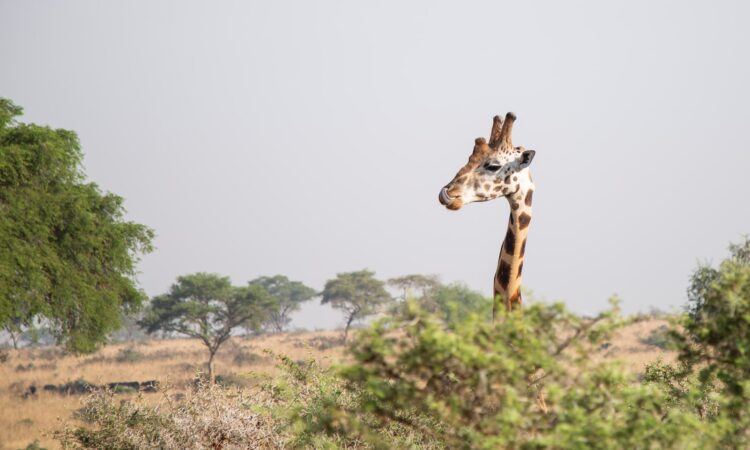
Kidepo Valley National Park is located in the northeastern part of Uganda, within the remote Karamoja region. The park covers an area of 1,442 square kilometers, making it the third largest national park in Uganda. Although it is the most isolated park in the country, it remains one of the most natural and least changed protected areas in Africa.
Kidepo Valley National Park is known for wildlife species that are not commonly found in other parts of Uganda. The park is home to about 75 mammal species and more than 400 bird species. It is the best place in Uganda to see very large herds of buffalo, often moving across the open valleys in great numbers.
Climate & Landscape
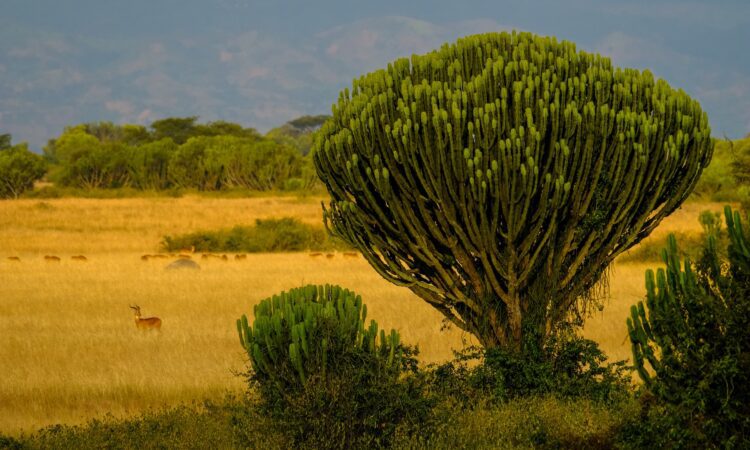
Kidepo has a semi arid climate. Temperatures can rise up to 40 degrees Celsius on very hot days. The park receives about 700 millimeters of rainfall each year. Altitude ranges from 914 meters to about 2,750 meters above sea level.
Two main rivers, the Kidepo and Narus, flow through the park. During the dry season, these rivers often dry up and leave water pools where animals gather to drink. There is also a permanent hot spring at Lotukei, close to the South Sudan border.
The name Kidepo comes from a local word meaning “to pick.” This refers to the Borassus palm trees found in the area. Local people used to collect the fruit, which is also eaten by elephants, especially during the dry season.
Entry Fees
Entry fees for Kidepo Valley National Park are as follows. Foreign non residents pay 40 US dollars. Foreign residents pay 30 US dollars. Ugandan and East African citizens pay 20,000 Uganda shillings.
History of Kidepo Valley National Park
In the 18th century, the area was home to the Mening or Ketebo people. In 1958, the British colonial government declared Kidepo a protected area to conserve wildlife and control bush clearing that helped spread tsetse flies. The local people were moved out when the area became a game reserve.
Many Ketebo later moved into South Sudan. In 1962, the Ugandan government under Milton Obote upgraded Kidepo from a game reserve to a national park. Ian Ross became the first park warden in 1972, followed by Ugandan warden Paul Ssali. A wildlife film titled The Wild and the Brave was filmed in the park in 1974.
Wildlife in Kidepo Valley National Park
The park has more than 75 mammal species, with 28 species found only in the Karamoja region. Early morning and late afternoon are the best times for game drives. Morning drives are especially good for seeing night active animals returning to rest.
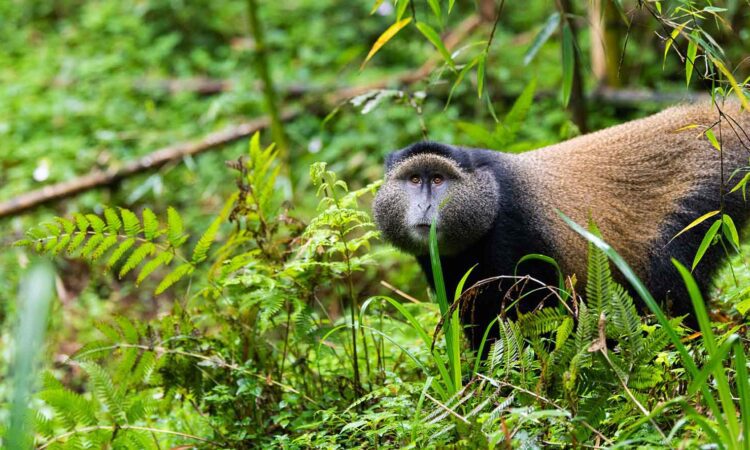
Animals found in the park include elephants, lions, leopards, cheetahs, zebras, giraffes, buffaloes, hyenas, elands, Jackson’s hartebeest, Bright’s gazelle, oryx, jackals, reedbucks, waterbucks, Uganda kobs, duikers, bat eared foxes, oribi, klipspringer, and both greater and lesser kudu.
Bird Watching in Kidepo
Kidepo Valley National Park is one of the best birding destinations in Uganda. Over 470 bird species have been recorded here, and about 60 of these are not found in any other park in the country. The park also supports 56 species of birds of prey.
Notable birds include Karamoja apalis, white bellied go away bird, rufous chatterer, northern carmine bee eater, purple grenadier, pygmy falcon, rose ringed parakeet, secretary bird, common ostrich, Abyssinian roller, Abyssinian ground hornbill, fox kestrel, golden pipit, crested francolin, and chestnut weaver.
Cultural Encounters Around Kidepo
The park is surrounded by the Karamojong and IK people communities. Cultural visits offer a deeper understanding of life in this region.
Visit the IK People
The IK, also known as Teuso, live on Mount Morungole near the park border. They were among the earliest settlers in the Karamoja region. After migrating through Ethiopia and Kenya, they settled in Uganda. Today, they mainly grow crops after moving higher up the mountain due to raids and the creation of the park.
Visit the Karamojong People
The Karamojong are semi nomadic cattle keepers and part of the Ateker ethnic group. A visit to their villages allows travelers to learn about their traditions, daily life, and enjoy traditional dances.
Kanangorok Hot Springs
The Kanangorok hot springs are located in the northern part of the park near the South Sudan border. Local people believe the springs have healing powers. According to local stories, a young man named Longorok died there during a drought, and water began to flow from that place. Scientifically, the water temperature is about 50 degrees Celsius and can boil an egg.
Nature Walks & Hiking
Guided nature walks are available and last from 30 minutes to several hours. These walks allow visitors to see animals and birds on foot. Hiking is also possible on Mount Morungole or the Lomej Hills. The Lomej Hills hike takes about 4 to 5 hours, while Mount Morungole can take 9 to 10 hours and is more demanding.
Location & How to Get There
Kidepo Valley National Park is located in Karenga District. The nearest major town is Moroto, about 220 kilometers away. The park is about 520 kilometers from Kampala.
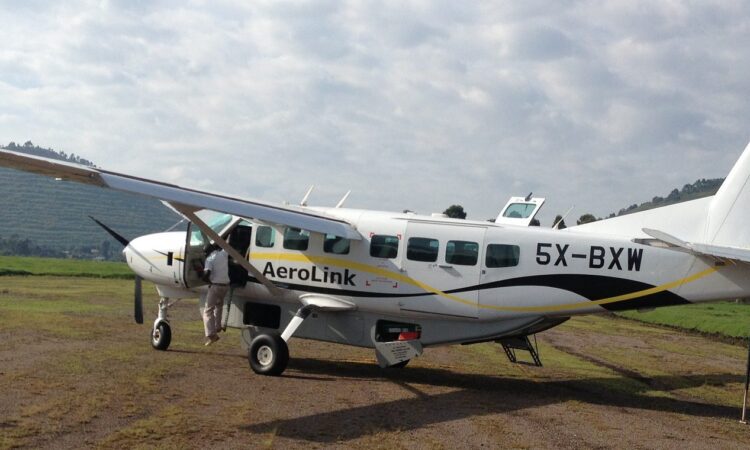
Access is possible by road or by charter flight from Entebbe International Airport or Kajjansi Airfield. Common road routes include Kampala to Gulu to Kitgum to Karenga, and Kampala to Mbale to Moroto to Kaabong to Kidepo.
Best Time to Visit Kidepo Valley National Park
The park can be visited all year. The best time is during the dry season from September to March when roads are easier to use and animals are easier to spot. Bird lovers should visit between November and April when migratory birds are present.
Accommodation in Kidepo
Due to its remote location, Kidepo has limited accommodation options. These include Apoka Safari Lodge, Adere Safari Lodge, Ngirmoru Wilderness Camp, Kidepo Savannah Lodge, and Apoka Rest Camp.
Kidepo Valley National Park remains one of Uganda’s most rewarding destinations for travelers seeking wildlife, culture, and open wilderness in one journey.