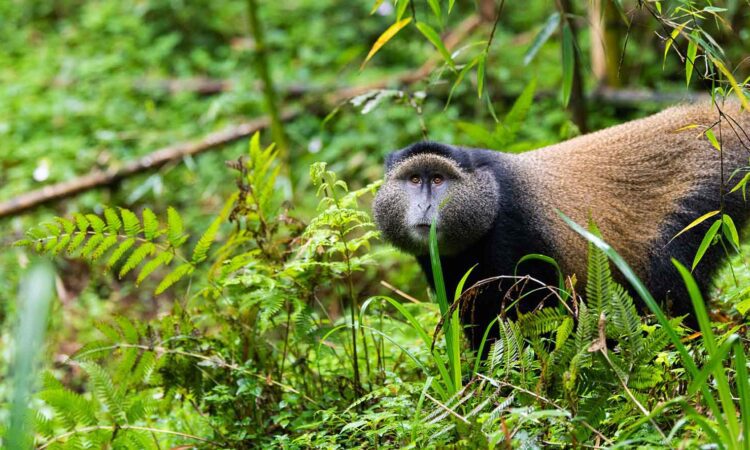
Forests of Rwanda play a major role in protecting wildlife, supporting tourism, and improving the lives of local people. The most well known forests in the country are Nyungwe Forest and Gishwati-Mukura Forest. These forests support many wild animals, especially primates that depend fully on forest cover for food and shelter.
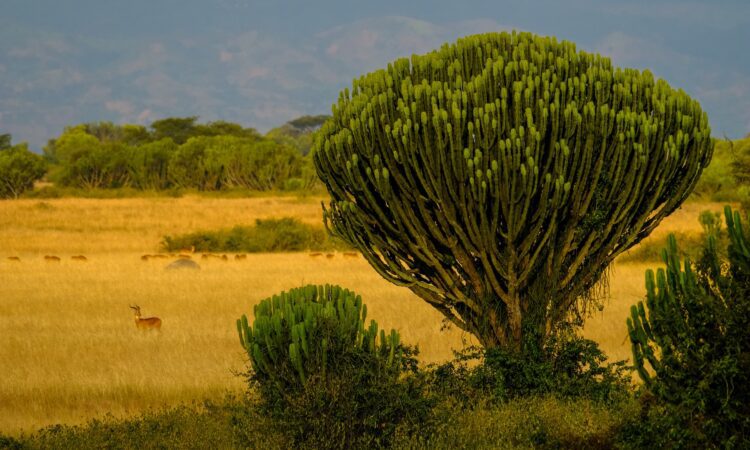
Rwanda has about four main forest types. There are artificial forests made up of planted tree species. These are mainly used for timber and fuel. There are natural forests found near Volcanoes National Park and Akagera National Park. Rwanda also has important biological forests along the Congo Nile ridge, which include Nyungwe and Gishwati-Mukura forests. These forests are very important to the country because they support wildlife and attract tourists from many parts of the world.
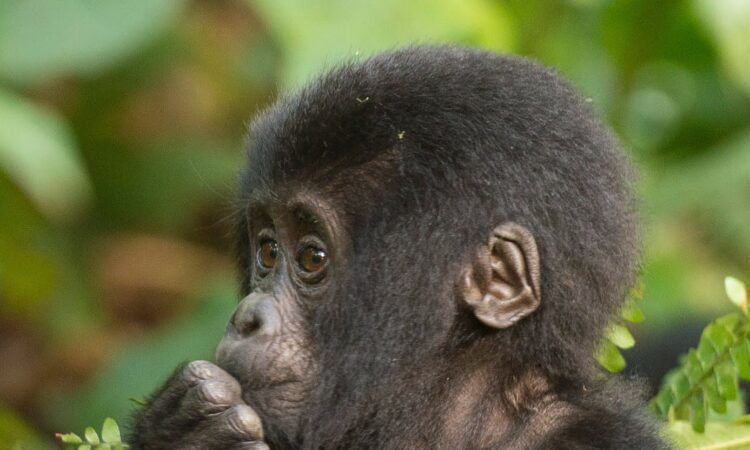
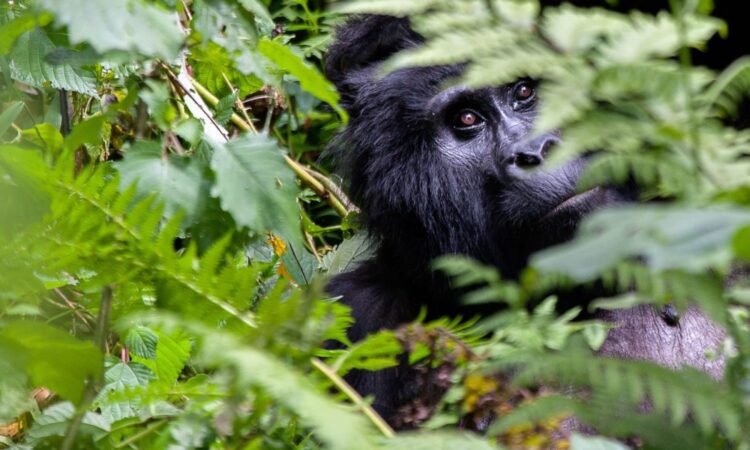
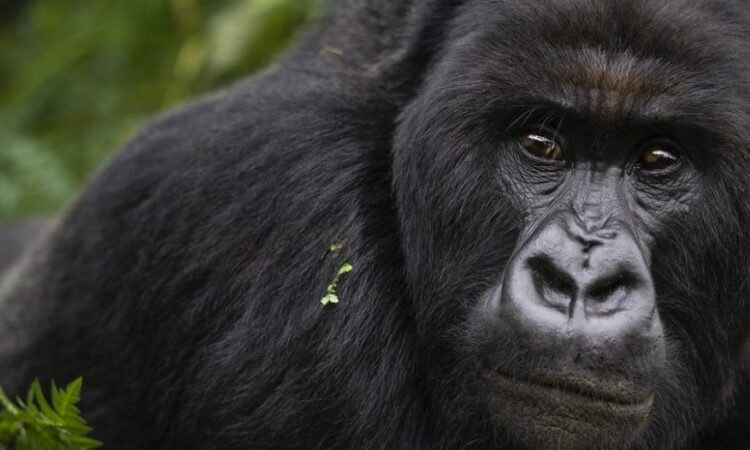
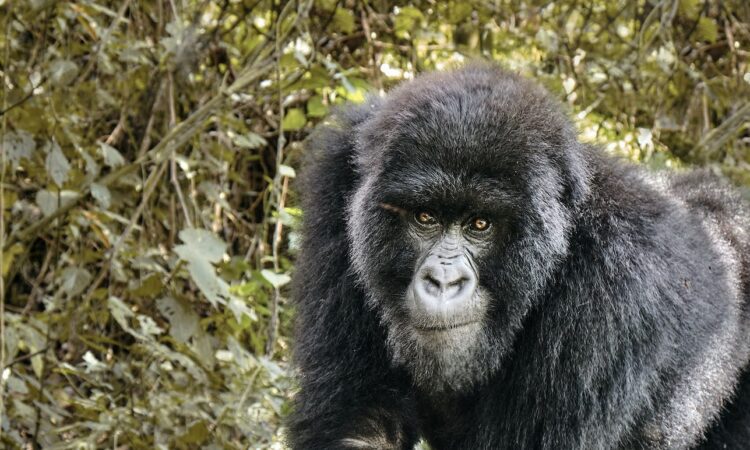
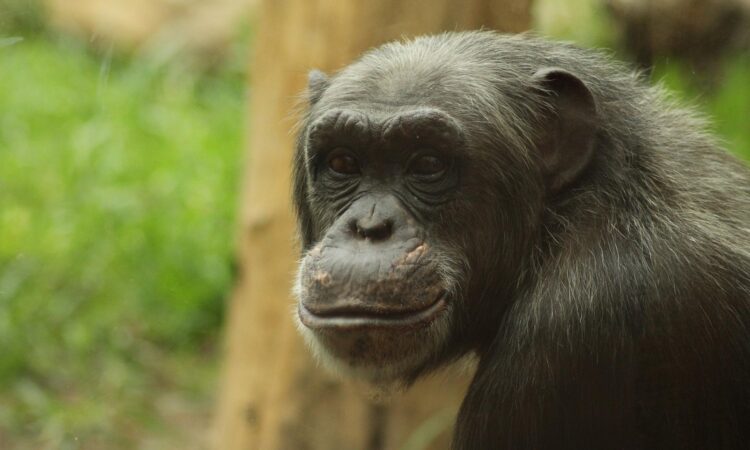
Volcanoes National Park forests are home to endangered mountain gorillas. Gorilla trekking is one of the most popular activities in Rwanda. Because these animals are sensitive, only a limited number of permits are issued each season. This means visitors are advised to book early. Nyungwe and Gishwati-Mukura forests are known for chimpanzees. Chimpanzee trekking is done in these forests and can take several hours depending on where the animals are found. While trekking, visitors also enjoy forest scenery, birds, and other animals.
Forests of Rwanda cover about 724,695 hectares of land. Out of this, about 387,425 hectares are forest plantations. Natural mountain rain-forest covers about 130,850 hectares. Wooded Savannah covers around 161,843 hectares. Shrub land covers about 43,963 hectares, while bamboo forests cover about 613 hectares. These forests help balance the environment and protect water sources.
The forestry sector contributes greatly to the economy of Rwanda. In 2020, forestry contributed about 6 percent of the national GDP. Forests also support agriculture, which contributes about 26 percent of GDP. Wood from forests provides about 86 percent of the main cooking energy used by households. Tourism linked to forests generated about 498 million US dollars in 2019. In 2020, tourism income reached about 121 million US dollars, with future targets set even higher.
Rwanda continues to protect and restore its forests. Tree planting programs have increased forest cover to about 30.4 percent of the country. These efforts help reduce climate change effects and protect wildlife for future generations.
Forests of Rwanda are not only natural resources but also a strong foundation for tourism, energy, and economic growth.