Kibale National Park is located in western Uganda and covers an area of about 766 square kilometers. The park protects one of the last remaining rainforests in East Africa that contains both lowland and montane forest types. This makes Kibale Forest National Park very important for wildlife conservation and research.
The park lies at an elevation between 1,100 and 1,600 meters above sea level. It protects evergreen moist forests and forms a wildlife corridor of about 180 kilometers together with Queen Elizabeth National Park. Kibale Forest National Park has the highest number of primates in Africa, with 13 primate species recorded.
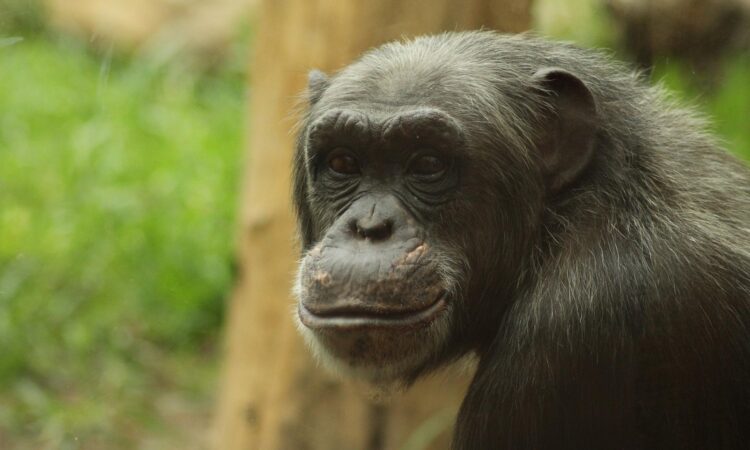
Kibale Forest is also rich in plant life. There are about 351 tree species in the park. Some trees grow up to 55 meters tall and are more than 200 years old. The park has the largest population of chimpanzees in Uganda. Chimpanzees share up to 98 percent of their DNA with humans, making them our closest living relatives.
History of Kibale Forest National Park
Kibale Forest was first set aside in 1932 by the British colonial government as a logged forest area. At that time, hardwood timber and wild coffee were extracted from the forest. In 1948, the area was declared a forest reserve, but tree cutting continued, and foreign tree species were planted.
In 1950, the Kilembe copper mines were opened in Kilembe, increasing the demand for hardwood timber from nearby forests. Forest exploitation continued until Kibale Forest was upgraded to a national park in 1993.
Uganda National Parks took over management in 1994, and since 1996 the park has been managed by the Uganda Wildlife Authority.
Chimpanzee Permits in Kibale Forest National Park
Chimpanzee tracking permits in Kibale Forest National Park cost 150 US dollars per person per trek. Chimpanzee habituation permits cost 220 US dollars per person. It is strongly advised to book permits at least three months in advance, especially during peak travel months.
Permits can be purchased directly from the Uganda Wildlife Authority or through a trusted tour operator. Reputable tour operators do not charge extra for permits if they also arrange your safari.
Chimpanzee Trekking in Kibale Forest National Park
Kibale Forest National Park is home to more than 1,450 chimpanzees. Several chimpanzee groups have been habituated and are open for visitor tracking. Chimpanzee trekking starts early in the morning at Kanyanchu Visitor Centre.
Before the trek, park rangers brief visitors about chimpanzee behavior and the rules to follow in the forest. The trek usually lasts between two and five hours, depending on where the chimpanzees are located and how fast the group moves.
Once the chimpanzees are found, visitors are allowed to spend one hour observing them. During this time, you can watch them feed, groom, rest, and interact. Photography is allowed, but flash is not permitted. Children under 15 years are not allowed to take part in chimpanzee tracking.
Chimpanzee Habituation Experience
Chimpanzee habituation is the process of slowly getting chimpanzees used to human presence. This process takes several months and involves daily visits by researchers and rangers.
Tourists can join the habituation team and spend more time in the forest than during standard tracking. This experience allows visitors to learn more about chimpanzee behavior, research methods, and forest life.
Other Animals in Kibale Forest National Park
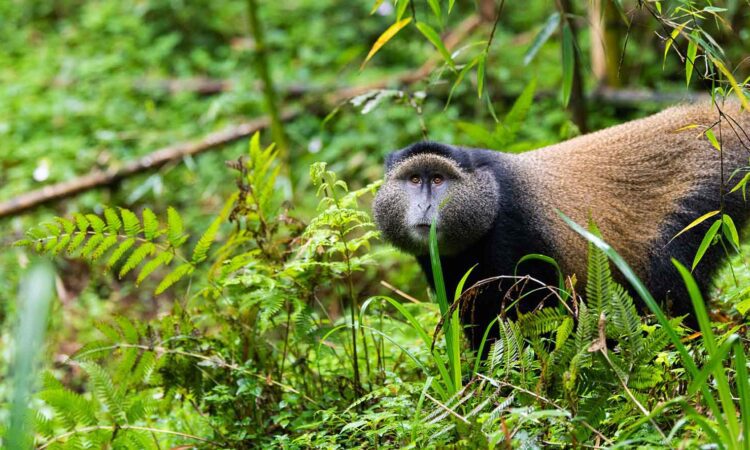
Besides chimpanzees, Kibale Forest National Park has 12 other primate species. These include L’Hoest monkeys, red colobus monkeys, black and white colobus monkeys, blue monkeys, grey cheeked mangabey, red tailed monkeys, and Central African monkeys.
Other mammals found in the park include elephants, bushbucks, blue duikers, buffaloes, giant forest hogs, warthogs, African golden cats, leopards, serval cats, mongooses, sitatungas, bush pigs, and red duikers. Many of these animals are shy and are mostly seen during forest walks.
Bird Watching in Kibale Forest National Park
Kibale Forest National Park is one of the best birding destinations in Uganda. More than 320 bird species have been recorded, including six Albertine Rift endemics.
The Bigodi Wetland Sanctuary is the best place for bird watching. About 138 bird species are found here. Birds you may see include blue breasted kingfisher, black eared ground thrush, yellow rumped tinkerbird, yellow spotted nicator, brown chested alethe, black bee eater, Abyssinian ground thrush, green breasted pitta, little greenbul, red faced woodland warbler, dusky crimsonwing, black capped apalis, blue headed sunbird, purple breasted sunbird, and crowned eagle.
Explore Crater Lakes Near Kibale
The Kasenda area near Fort Portal has more than 50 crater lakes formed by volcanic activity. Visiting these lakes offers a quiet experience and views of water, hills, and nearby communities. Some crater lakes can be visited on guided walks.
Nocturnal Forest Walks
Night forest walks are offered in Kibale Forest National Park and start at around 7 pm with a trained ranger guide. During these walks, visitors may see animals that are active at night, such as bush babies, galagos, pottos, tree hyraxes, and night birds.
Cultural Encounters Around Kibale Forest
Visitors can interact with local communities living near the park to learn about their culture and daily life. One important cultural site is Amabere Ga Nyina Mwiru, linked to the Batooro people.
Amabere Ga Nyina Mwiru is a cave with stalactites and stalagmites formed from calcium carbonate. Local stories tell of King Bakuku of the Batembezi dynasty and his daughter Nyina Mwiru. The rocks are believed to represent her breasts, based on the legend.
The trail to the cave passes small waterfalls. After visiting the cave, visitors can hike to Nyakasura Hills to see crater lakes and a large footprint believed to belong to a giant from the Batembezi period.
Location and Access
Kibale Forest National Park is about 348 kilometers west of Kampala. The drive takes about five hours by road. The park is easily reached through Fort Portal town.
Best Time to Visit Kibale Forest National Park
Kibale Forest National Park can be visited all year. Temperatures range between 14 degrees Celsius and 27 degrees Celsius. The best time to visit is during the dry seasons from June to August and December to February.
During these months, forest trails are in better condition, the vegetation is less thick, and there is less rainfall to interrupt activities like chimpanzee trekking and bird watching.
Accommodation Near Kibale Forest National Park
There are many accommodation options around Kibale Forest National Park. These include Ndali Lodge, Kyaninga Lodge, Primate Lodge Kibale, Chimpanzee Forest Guest House, Isunga Lodge, Kanyanchu River Camp, Papaya Lake Lodge, Crater Safari Lodge, and Mountains of the Moon Hotel.
Kibale Forest National Park is a leading destination in Uganda for chimpanzee trekking, primate viewing, bird watching, forest walks, and cultural experiences.