Mount Bisoke, also known as Mount Visoke, is a dormant volcano located on the border of Rwanda and the Democratic Republic of Congo. The mountain is part of the Virunga Mountains and lies within Volcanoes National Park on the Rwandan side and Virunga National Park on the Congo side. Its slopes are home to endangered mountain gorillas and other primates, making Mount Bisoke one of the most interesting hiking destinations in East Africa.
This guide shares clear and useful information about Mount Bisoke hiking and explains what to expect during the climb. It also helps travelers understand costs, best time to visit, and how to plan a safe and enjoyable hike.
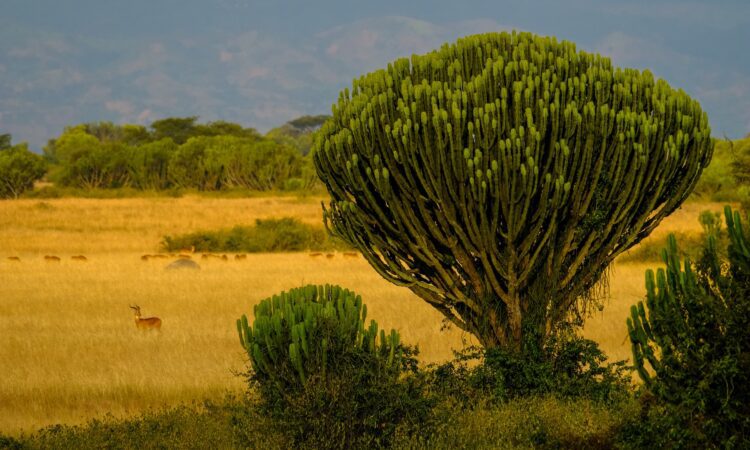
Mount Bisoke has several vegetation zones that change as you hike higher. These include rainforest, bamboo forest, alpine meadows, and high altitude plants such as senecio and lobelia. The hike takes only one day, which makes a 1 day Mount Bisoke hike ideal for travelers who have limited time in Rwanda.
Mount Bisoke is one of the eight volcanoes found in the Virunga Mountain Range. This range lies within the Virunga Conservation Area, which is shared by Rwanda, Uganda, and Congo. The mountain stands at 3,711 meters above sea level. The name Bisoke means soaked with water in the local language because the summit has two crater lakes. The top of the mountain is often covered in fog, and snow is very rare.
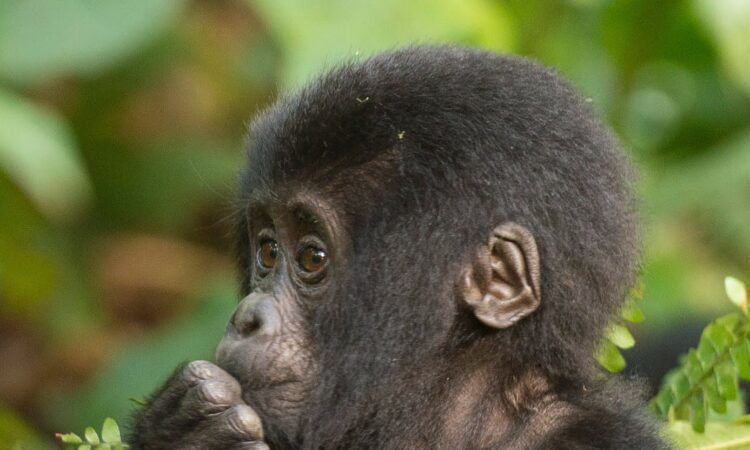
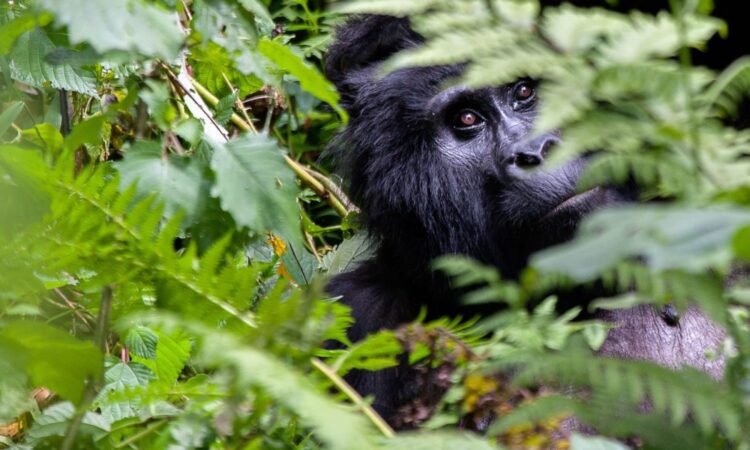
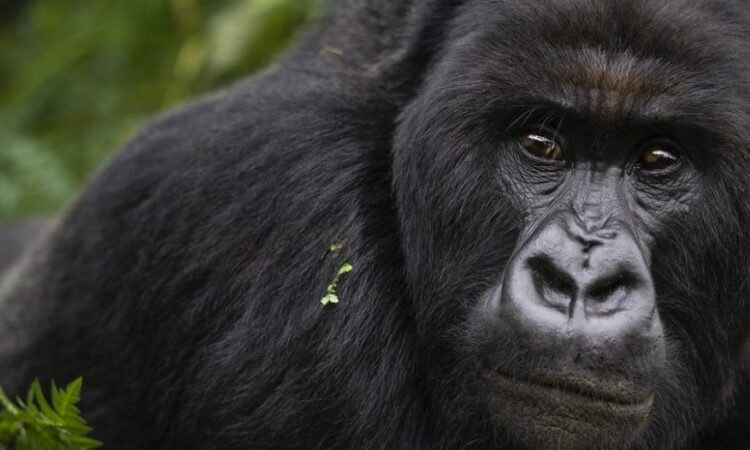
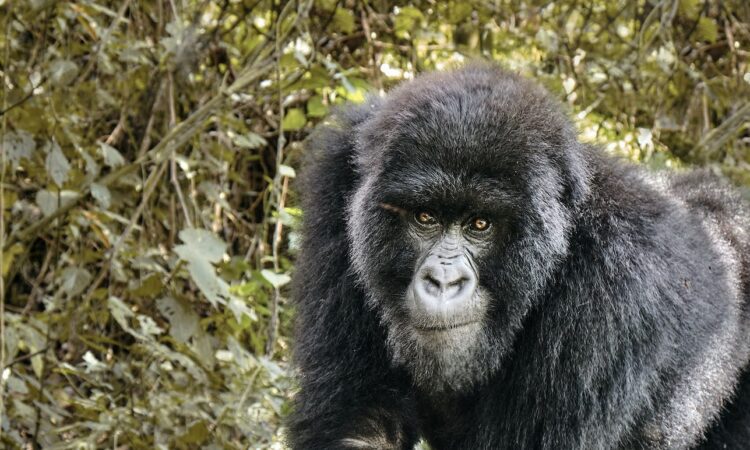
Many travelers choose to hike Mount Bisoke because of the chance to see mountain gorillas along the trail. While sightings are not guaranteed, hikers are sometimes lucky to spot gorillas moving through the forest. If you go gorilla trekking in Rwanda, your trek may also pass through the lower slopes of Mount Bisoke.
At the western base of Mount Bisoke is the Karisoke Research Center, founded by Dian Fossey, an American primatologist. She started the center to study and protect mountain gorillas. Her grave is located near the mountain and is visited by many hikers.
Mount Bisoke Hike Price & Entry Fees
The Mount Bisoke hiking permit is affordable. The cost is USD 75 per person and includes a park guide. This fee does not include transport, meals, accommodation, or other services.
Permit fees are as follows:
- 75 USD for foreign non residents
- 60 USD for foreign residents
- 65 USD for East African citizens
- 55 USD for Rwandan citizens
You can hire a porter for about 20 USD. Porters help carry bags and support hikers on steep or muddy sections. Hiking sticks can be rented from local craft shops near the park headquarters.
The full hike to the main crater lake takes between 6 and 8 hours depending on your pace and weather conditions. This usually includes about 4 hours going up and 2 hours coming down. If you hike only to Lake Ngezi, the smaller crater lake, the hike takes about 3 hours in total.
The hike starts early in the morning with a briefing at Kinigi Park Headquarters. Rangers explain safety rules and assign guides before hikers move to the trailhead. There are two main trails, both leading to crater lakes.
History of Mount Bisoke
Mount Bisoke was formed by movements along the African Rift Valley. The volcano last erupted in 1957. It has two crater lakes, with Lake Ngezi located about 11 kilometers from the main crater.
At the base of the mountain is the grave of Dian Fossey. She played a major role in protecting mountain gorillas and helping increase their numbers. She was killed in 1986, but her conservation work continues today through the Dian Fossey Gorilla Fund International.
Interesting Facts About Mount Bisoke
- Mount Bisoke lies on the border of Rwanda and Congo.
- In Congo, it is called Mount Visoke.
- It is one of the most popular volcano hikes in the Virunga Range.
- It has two crater lakes at the summit.
- Hikers may see mountain gorillas along the trail.
- Mount Bisoke is considered one of the easier volcano hikes.
- Most visitors enjoy the hike.
- The last eruption was in 1957.
- The summit is on the Rwandan side.
- The mountain is known for wide views when the weather is clear.
Location of Mount Bisoke
Mount Bisoke is about 35 kilometers northeast of Goma and close to Lake Kivu. It sits at the border between Rwanda and Congo and is shared by Volcanoes National Park and Virunga National Park.
Best Time to Visit Mount Bisoke
Mount Bisoke can be hiked all year, but the best months are June to September and December to February. During these months, trails are drier and easier to walk on.
Rain can still fall during dry months, but sunshine often appears soon after. This is normal weather for the region. During the rainy season, some travelers may find lower hotel rates and discounted gorilla permits if they plan to visit other parks in Rwanda.
Accommodation Options Near Mount Bisoke
Since Mount Bisoke is a one day hike, there are no lodges on the mountain. Many hotels and lodges are located near Volcanoes National Park. Travelers can also drive from Kigali in the morning, hike Mount Bisoke, and return the same day.
Popular accommodation options include Le Palme Hotel, Kinigi Guest House, Le Bambou Gorilla Lodge, Hotel Muhabura, Villa Gorilla, Five Volcanoes Boutique Hotel, Virunga Lodge, Mountain Gorilla Nest Lodge, Best View Hotel, Bisate Lodge, and Da Vinci Gorilla Lodge.
Adding Gorilla Trekking in Rwanda
Mountain gorillas live only in Volcanoes National Park, Virunga National Park, and Mgahinga Gorilla National Park. Gorilla trekking starts early in the morning and may take several hours.
Only eight healthy visitors are allowed to visit each gorilla family per day. Visitors spend one hour with the gorillas. Gorilla permits in Rwanda cost 1500 USD in the high season and 1050 USD in the low season if you visit other Rwandan parks.
Visiting the Karisoke Research Center
The Karisoke Research Center was founded in 1967 by Dian Fossey. It remains active today under the Dian Fossey Gorilla Fund International. Visitors hiking Mount Bisoke can visit her grave and learn about her work in gorilla protection.
Other Activities in Volcanoes National Park
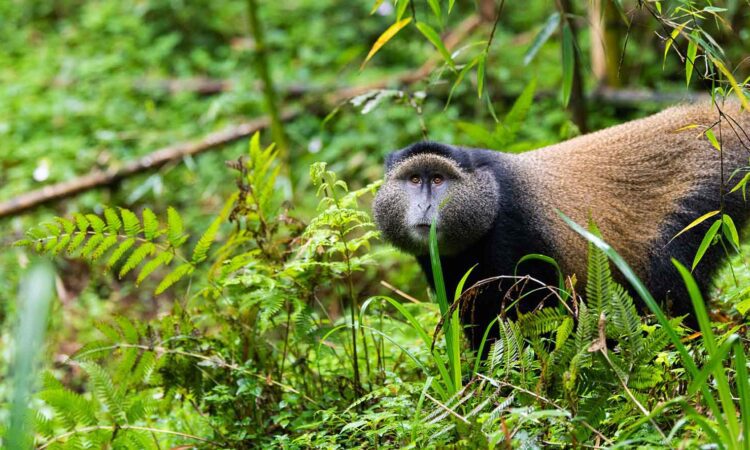
Besides hiking Mount Bisoke and gorilla trekking, visitors can enjoy nature walks, cultural visits, golden monkey trekking, and visits to nearby communities. Tour operators can help plan these activities.
Other Virunga Volcanoes
Mount Bisoke is one of eight Virunga volcanoes. Others include Mount Sabyinyo, Mount Karisimbi, Mount Muhabura, Mount Mikeno, Mount Gahinga, Mount Nyiragongo, and Mount Nyamuragira. These volcanoes form part of the Virunga Conservation Area, one of the few places in the world where mountain gorillas live.
Planning Your Mount Bisoke Crater Lake Hike
You can book your Mount Bisoke hike through trusted tour companies in Rwanda or Uganda. These operators help with permits, transport, and guides. If you need help choosing a good company, it is best to use experienced operators who know the area well.
With proper planning, Mount Bisoke offers a rewarding one day hike combined with wildlife, nature, and conservation history.