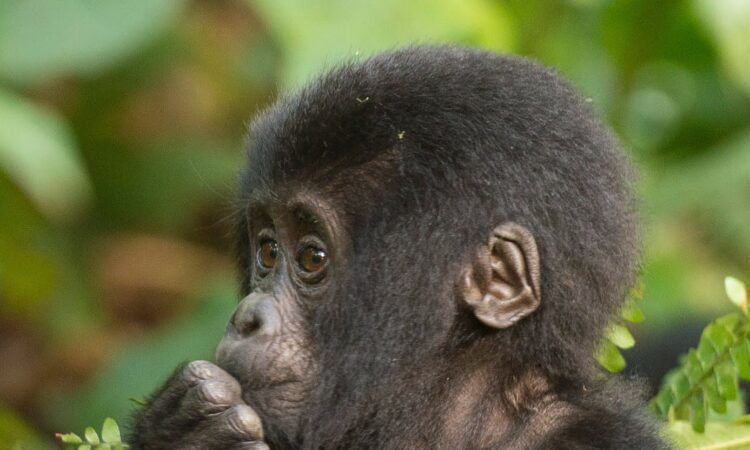
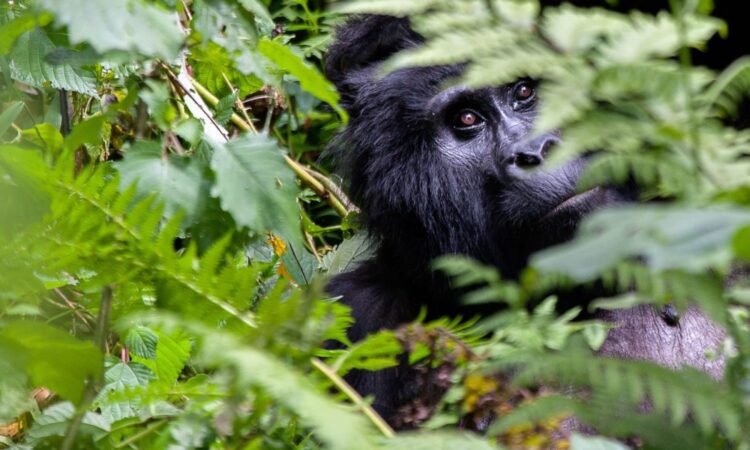
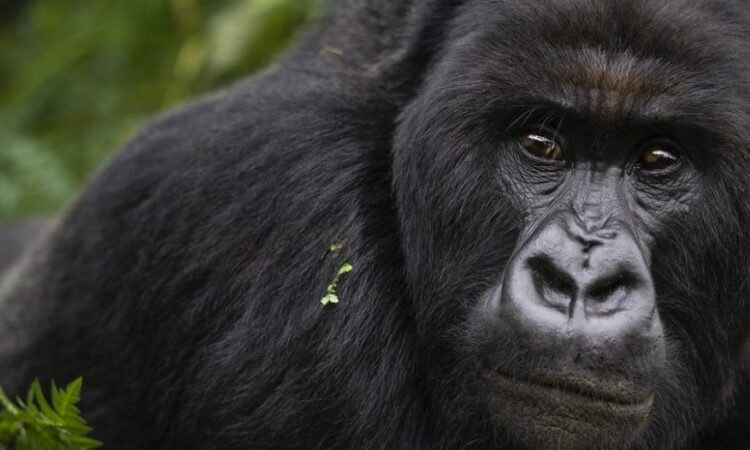
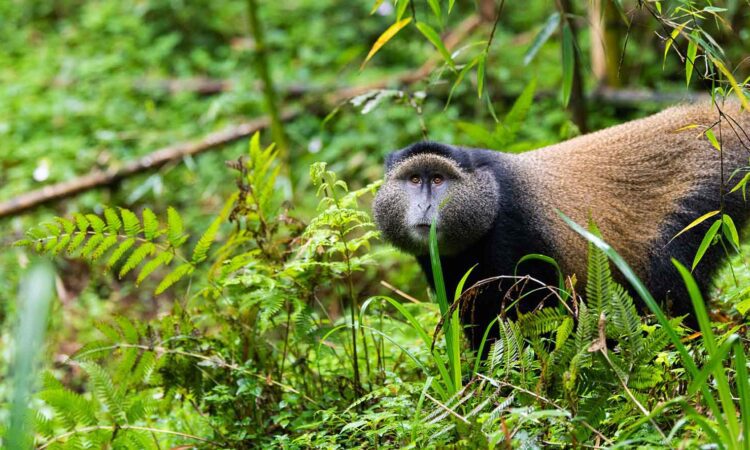
Lola ya Bonobo Congo is a well known bonobo sanctuary founded by Claudine André in 1994. The sanctuary is located in the suburb of Kimwenza, near Kinshasa, in the Democratic Republic of the Congo. It is about 8 kilometers off Matadi Road. Lola ya Bonobo covers around 30 hectares of protected primary forest and is home to about 60 orphaned bonobos.
The sanctuary was created to protect bonobos rescued from the illegal bush meat trade and pet trade. Many bonobos are hunted for meat, while young ones are sold as pets to wealthy buyers. When authorities rescue these bonobos, they are brought to Lola ya Bonobo to begin a safe and healthy life.
Bonobos at the sanctuary live in conditions close to their natural forest life. They spend their days moving freely in the forest, feeding on fruits, plants, and leaves just as they would in the wild. Bonobos are close relatives of humans and share about 98.7 percent of human DNA, just like chimpanzees.
The name “Lola ya Bonobo” comes from the Lingala language and means “paradise for bonobos.” Young bonobos at the sanctuary are first cared for by human caretakers who act as foster mothers. As they grow older, they are slowly introduced into bonobo family groups so they can learn normal social behavior.
Lola ya Bonobo Congo is also an important center for research. Scientists from around the world visit the sanctuary to study bonobo behavior, social structure, and communication. Bonobos are only found in the Democratic Republic of the Congo and nowhere else in the world.
Bonobos were first identified in the early 1920s near the Congo River. Unlike other great apes, bonobo groups are led by females. They are known for using peaceful ways to solve conflicts within their groups.
Lola ya Bonobo can be reached in about one and a half hours by road from Kinshasa. Hiring a car during the dry season costs around $100, while prices may rise to about $200 during the rainy season due to road conditions. Visitors can also stay overnight at the sanctuary.
By visiting Lola ya Bonobo Congo, you support bonobo conservation and local communities. Today, only about 50,000 to 70,000 bonobos remain in the wild.