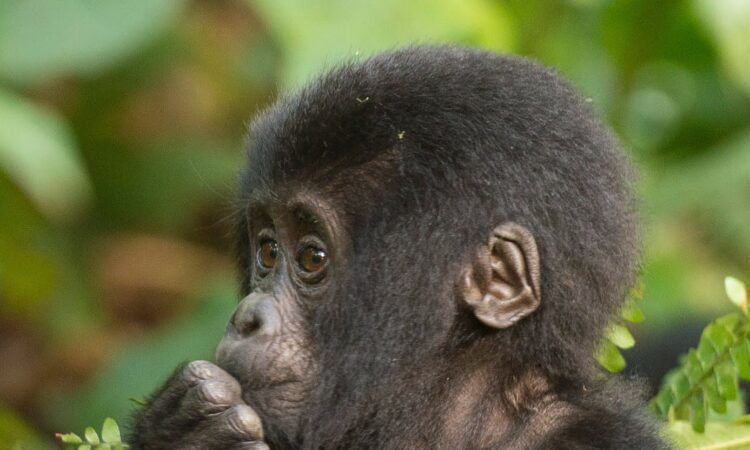
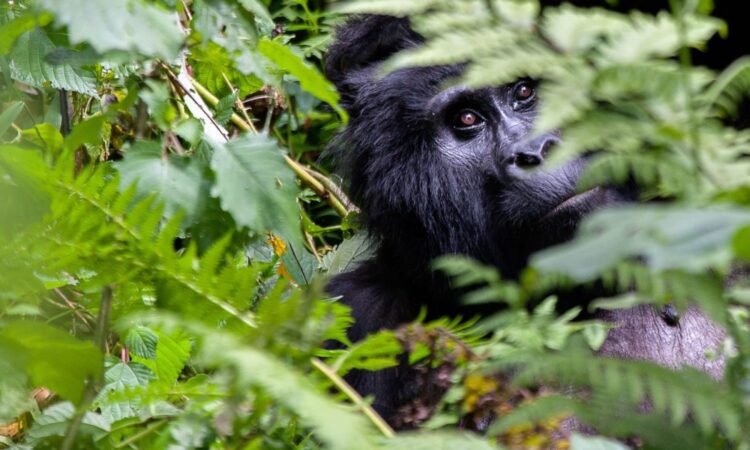
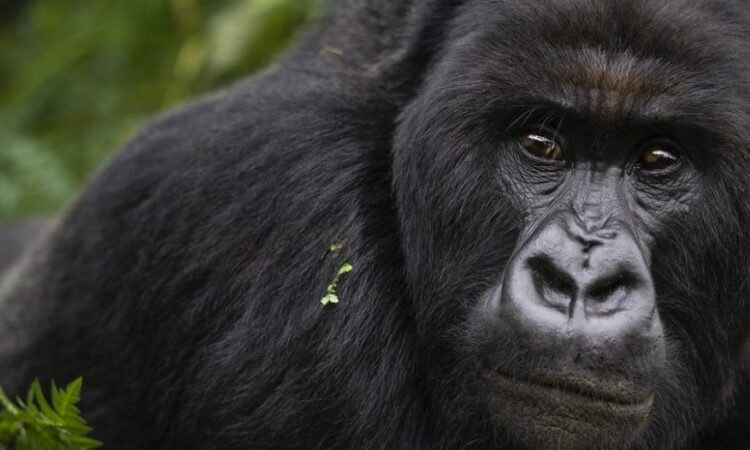
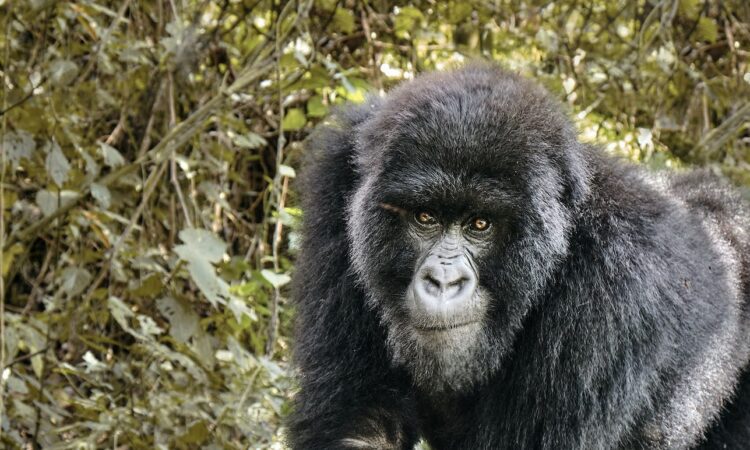
Humba gorilla family is one of the well known gorilla groups found in Virunga National Park in the Democratic Republic of Congo. This gorilla family was formed in 1998 when the silverback Humba separated from his father, Rugendo, to create his own family. When Humba left Rugendo’s group, he moved with eight members and settled in a new area of the park.
Over the years, the Humba mountain gorilla family continued to grow through births and the joining of new members. Today, the family has about 16 individuals, including two silverbacks. Like many mountain gorilla groups, the family structure can change due to fights, births, deaths, or members leaving to form new families.
Humba mountain gorilla family can be trekked from the Batovi and Bikenge areas of Virunga National Park. Gorilla trekking to this family follows the standard rules set by the park authorities. Only eight visitors are allowed to trek one gorilla family per day. Once the gorillas are found, visitors are allowed to spend one hour observing their behavior and taking photos.
The Humba family has faced leadership challenges in the past. One of the silverbacks, Nyakamwe, fought with Humba and later broke away to form his own mountain gorilla family. Nyakamwe moved with about ten members, leaving Humba with only six gorillas at that time. Nyakamwe’s group is also facing challenges, as a black back called Semakuba is trying to take over leadership.
Today, Humba mountain gorilla family can also be trekked from the Bukima sector of Virunga National Park, depending on their movements. Gorilla trekking permits in Congo cost about $400 per person per trek. Visitors are advised to book their permits well in advance before traveling.
Tourists planning to trek the Humba gorilla family should carry proper trekking gear. These include waterproof hiking boots, raincoats, jackets, long sleeved warm clothes, sunscreen, sunglasses, garden gloves, and a hat.
Gorilla trekking is available all year round. However, the best time to trek Humba gorilla family is during the dry seasons from June to August and December to February, when trekking trails are easier to use and rainfall is lower.