Lake Bunyonyi is one of the most peaceful and refreshing destinations in Uganda. Many travelers describe it as the Second Switzerland of Africa and a place of many small birds. It is known for rest, calm moments, and simple enjoyment of nature. Lake Bunyonyi is the second deepest lake in Africa, free from bilharzia, and surrounded by more than 29 islands of different sizes and shapes. The lake is known for green vegetation, bird sounds, and a cool climate that makes visitors feel relaxed at any time of the year.
Lake Bunyonyi became nationally known after appearing on Uganda shilling notes between 2004 and 2009, with the image named “Lake Bunyonyi and terraces.” This shows how important the lake is to Uganda’s identity and tourism.
Lake Bunyonyi is found in southwestern Uganda, west of Kabale District and east of Kisoro District. It lies close to the borders of Rwanda and the Democratic Republic of Congo. Nearby towns include Muko and Kyevu. The lake sits at about 1,962 meters above sea level and enjoys cool temperatures during the day and night throughout the year.
Many visitors come to Lake Bunyonyi after gorilla trekking in Bwindi Impenetrable National Park or after wildlife safaris. The weather and views change gently during the day. Morning hours bring soft light and mist above the water. Midday brings warm sunshine, while evenings come with quiet skies and cool air. These changes make each day feel special.
There are 29 islands on Lake Bunyonyi, and each one has its own story and meaning. These islands can be seen during canoe trips, and some can also be visited on foot.
One of the most known islands is Akampene Island, also called Punishment Island. In the nineteenth century, cultural leaders of the Bakiga people used this island to punish young women who became pregnant before marriage or were involved in forbidden acts. They were left on the island without food. These practices ended many years ago, but the stories remain. Men without dowry sometimes went to the island to find wives. Girls who knew how to swim could escape to nearby islands.
Another important island is Bwama Island, also called Sharp’s Island. It became known as a treatment center for people with leprosy. In 1912, an English missionary named Leonard Sharp arrived in Uganda. In 1931, he set up a leprosy treatment center on Bwama Island. The island had patient houses, a church, and small white cottages where Sharp lived. Today, the patients are gone, but the buildings and history remain.
Other islands include Bushara Island, Buchuranuka Island, Kyahugye Island, and many more, each with its own story.
Lake Bunyonyi can be reached by road or air. From Rwanda, it takes about two to three hours by car. From Kampala, the drive takes about eight to nine hours. Travelers first reach Kabale town, then drive for about twenty minutes to the lake. Visitors can also fly from Entebbe International Airport to Kisoro or Kihiihi airstrip, then continue by road. Flights take about forty five minutes to one hour.
There is no entry booking required to visit Lake Bunyonyi. Visitors simply plan their trip and travel.
Many activities can be enjoyed at Lake Bunyonyi. Swimming is popular because the water is clean and safe. Swimming is usually done in the morning or evening, and local guides are available for support.
Bird watching is another key activity. Over 200 bird species have been recorded around the lake. Common birds include egrets, herons, hadada ibis, cormorants, grey crowned cranes, bee eaters, sunbirds, and many others.
Canoeing is one of the best ways to explore the lake. Local guides use strong and safe canoes made by hand. Canoe trips run throughout the day and include visits to different islands. Visitors can also use motorized or non motorized boats.
Hiking and guided nature walks are available on the islands and nearby hills. These walks allow visitors to see birds, plants, farms, and sometimes small animals. Trails are safe and led by experienced guides.
Cultural experiences are also important around Lake Bunyonyi. Visitors can meet local communities, enjoy traditional dances, songs, village walks, and stories. The Batwa people, who were original forest dwellers, share their history and culture. The Bakiga people also share their traditions, farming methods, and daily life.
Visitors planning a trip to Lake Bunyonyi should carry simple items such as swimming clothes, light boots, a camera, passport, visa, jacket, and binoculars. Campers should bring sleeping bags. A yellow fever certificate is required. There is no need to over pack.
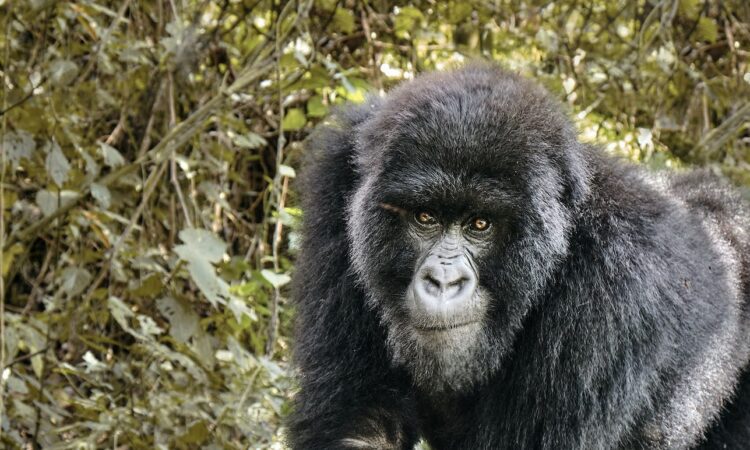
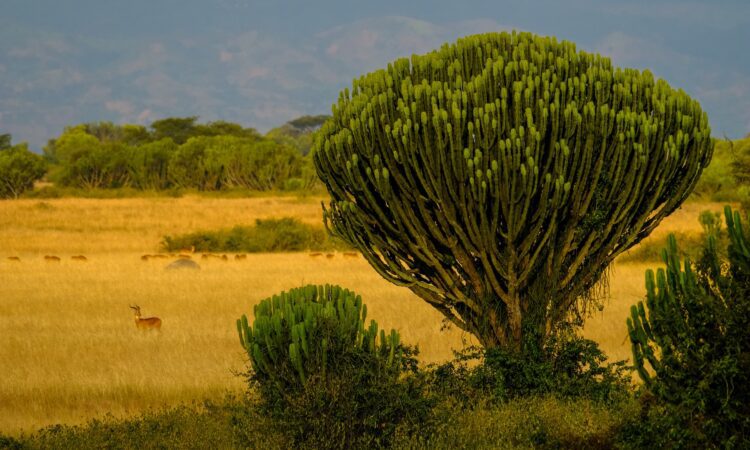
Other activities near Lake Bunyonyi include mountain gorilla trekking in Bwindi Impenetrable National Park or Mgahinga Gorilla National Park. Wildlife viewing can also be done in Queen Elizabeth National Park, which is home to tree climbing lions, elephants, buffaloes, antelopes, and many birds.
Lake Bunyonyi can be visited all year round. The best months are June to October and December to February when rainfall is lower.
Accommodation around Lake Bunyonyi includes budget, midrange, and luxury options. Common places include Lake Bunyonyi Rock Resort, Arcadia Cottages, and Paradise Eco Hub.
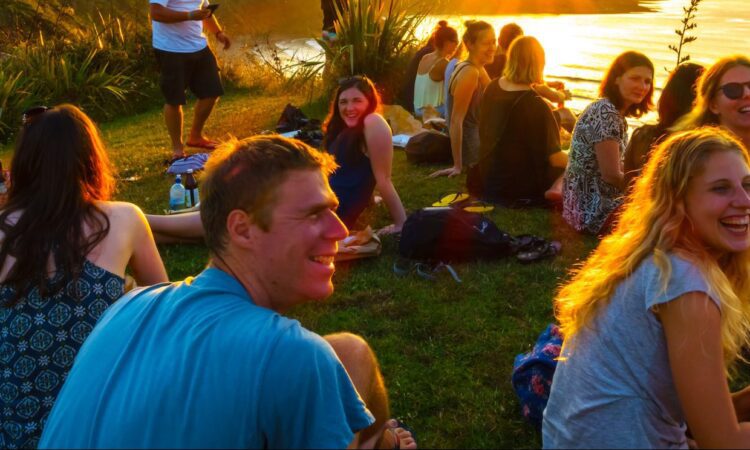
Lake Bunyonyi is a perfect choice for honeymoons, family holidays, weekend breaks, and quiet vacations. It offers rest, culture, and nature in one place.