The Rwenzori Mountains, also known as the Ruwenzori Mountains or the Mountains of the Moon, are found in central equatorial East Africa. The mountain range lies along the border between Uganda and the Democratic Republic of Congo. These mountains are among the highest in Africa and are known for their glaciers, snow, and unique vegetation despite being near the equator.
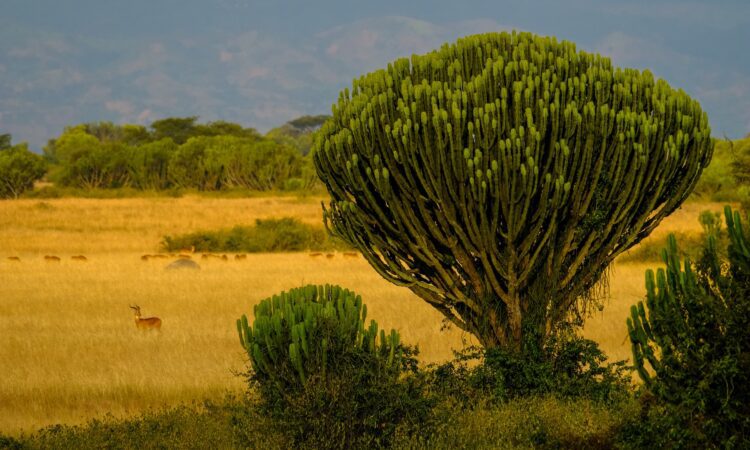
The Rwenzori Mountains are believed to be one of the sources of the River Nile. They support permanent glaciers and snow fields, which is rare in Africa. The mountains are covered by different vegetation zones as you climb higher. These include tropical rainforests, bamboo forests, alpine meadows, giant groundsel, giant lobelia, a heather zone, a nival zone, and snow at the highest points.
Climate change has had a strong effect on the Rwenzori Mountains. In 1906, the mountains had 43 glaciers spread across six peaks, covering about 7 square kilometers. By 2005, less than half of these glaciers were still present. This shows how fast the ice is melting due to rising temperatures.
The Rwenzori Mountains stretch for about 120 kilometers in length and 65 kilometers in width. The highest peak is Mount Stanley, which rises to 5,109 meters above sea level. The highest point on Mount Stanley is Margherita Peak. Other major peaks include Mount Speke at 4,890 meters, Mount Baker at 4,843 meters, Mount Emin at 4,798 meters, Mount Gessi at 4,715 meters, and Mount Luigi di Savoia at 4,627 meters above sea level.
The mountains were formed by an uplift of hard crystalline rocks during the Pliocene period. This geological movement also led to the formation of African Great Lakes such as Lake Albert, Lake George, and Lake Edward.
The first full crossing of the Rwenzori Mountains was completed in 1975 by Polish climbers Janusz Chalecki, Stanisław Cholewa, and Leszek Czarnecki, with Mirosław Kuraś joining them later. The climb started on February 27 and ended on February 13 after covering the full range.
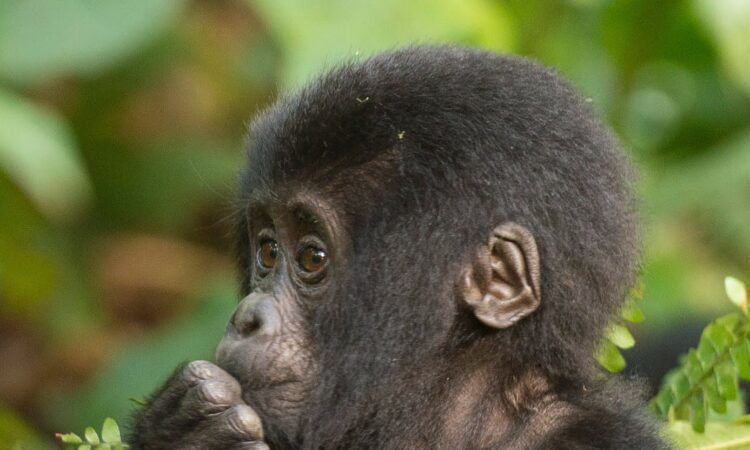
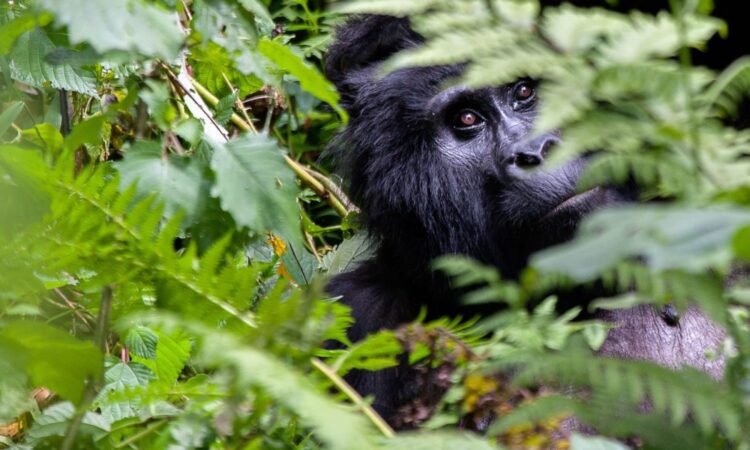
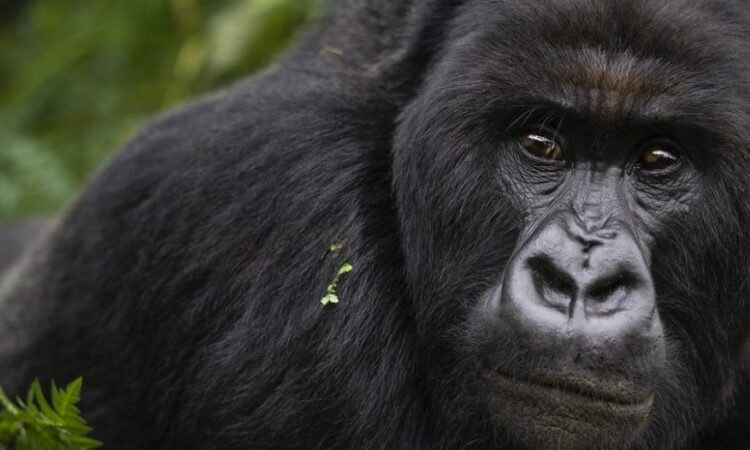
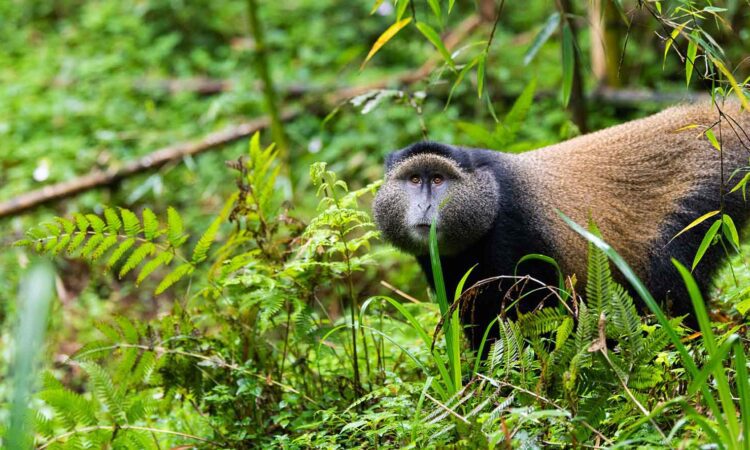
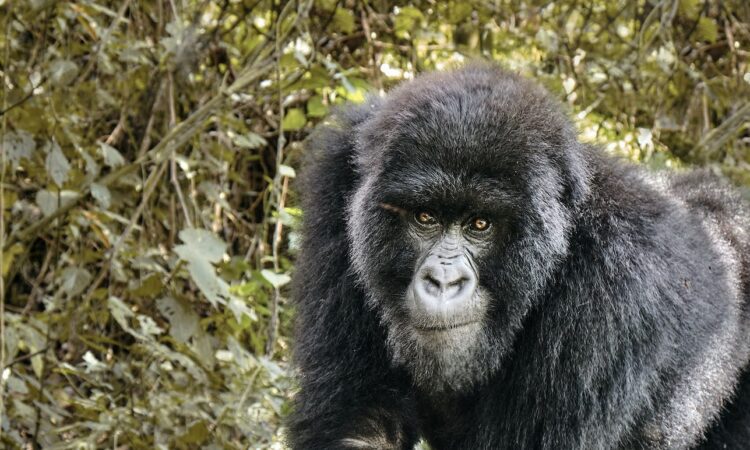
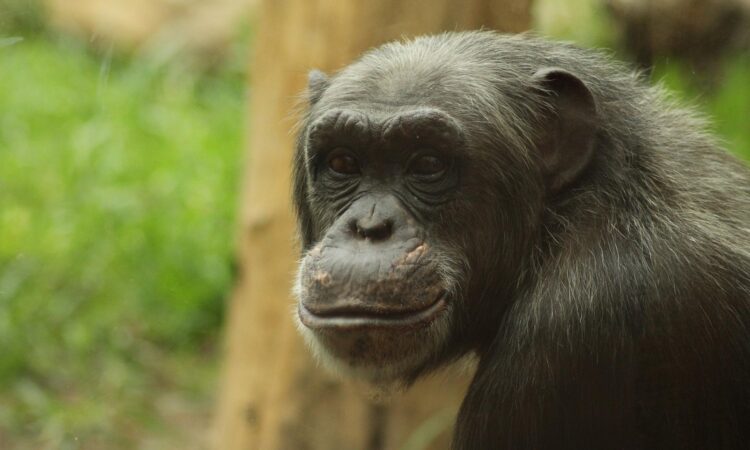
The Rwenzori Mountains can also be accessed from Virunga National Park, which has been a UNESCO World Heritage Site since 1979. Virunga National Park is home to mountain gorillas, golden monkeys, chimpanzees, forest elephants, buffalos, kobs, and lions. The foothills of the Rwenzori Mountains also shelter wildlife such as forest elephants, chimpanzees, and okapi.
Hiking the Rwenzori Mountains in Congo
Hiking the Rwenzori Mountains from the Congo side starts at Mutsora Point inside Virunga National Park. The trail passes through Mutwangato Kyadonlire and continues to Kalonge, where hikers spend the first night.
The second day is more demanding. Hikers climb about 1,500 meters in elevation to reach a hilltop, where they stay overnight at Mahangu hut. On the third day, the hike continues to 4,303 meters above sea level through thick forest with moss covered tree trunks and roots. This section leads to Kiondu hut, which offers clear views of valleys and mountain peaks.
From Kiondu, the trail continues to Wasuwameso at 4,462 meters above sea level. This section requires good fitness and some technical skill. From here, hikers can see Margherita Peak, Lake Vert, Stanley Plateau, Lake Noir, Alexandra Peak, and nearby glaciers.
The next stage takes hikers to Moraine hut by crossing a deep abyss. After this point, hikers can begin their descent, passing through earlier camps and stopping overnight until they reach the lower slopes.
Accommodation Options
Accommodation for hikers is available within Virunga National Park. Options include Tchegera Tented Camp, Mikeno Lodge, Kibumba Tented Camp, and other park facilities.
Best Time to Visit the Rwenzori Mountains
The best time to hike the Rwenzori Mountains is during the dry season from June to August. During this period, the weather is more stable, trails are safer, and views are clearer. Hiking during the wet season is not recommended because trails become slippery and weather conditions can be difficult.
Visitors planning to hike should carry waterproof hiking boots, rain jackets, warm clothing, insect repellent, sunscreen, energy snacks, drinking water, binoculars, and personal items. Porters are available to help carry luggage and make the hike easier.