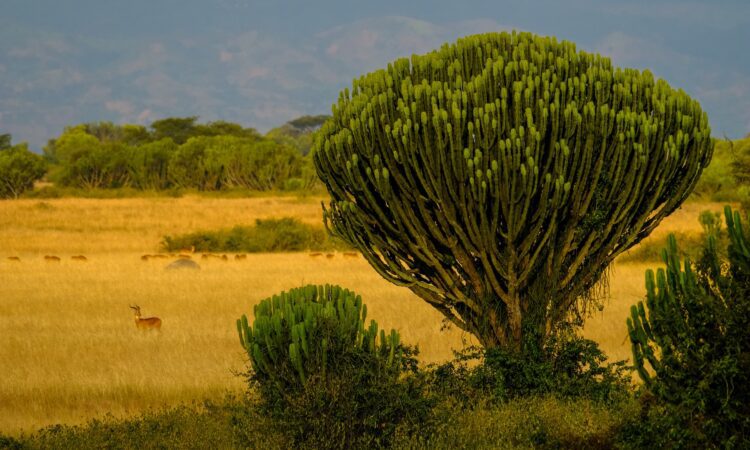
The Okapi Wildlife Reserve is located in the northeastern part of the Democratic Republic of Congo, inside the Ituri Forest near the borders with Uganda and South Sudan. This large protected area is one of the most important wildlife reserves in Central Africa.
The reserve gets its name from the okapi, a rare animal that is related to the giraffe. Although it is related to giraffes, the okapi looks more like a zebra because of its striped legs. Congo is the only country in the world where okapis live naturally.
The Okapi Wildlife Reserve was mainly created to protect the okapi and other forest animals. It also helps preserve the culture and way of life of the indigenous pygmy communities who live inside the forest. The reserve covers about 14,000 square kilometers and is one of the largest protected rainforests in Africa.
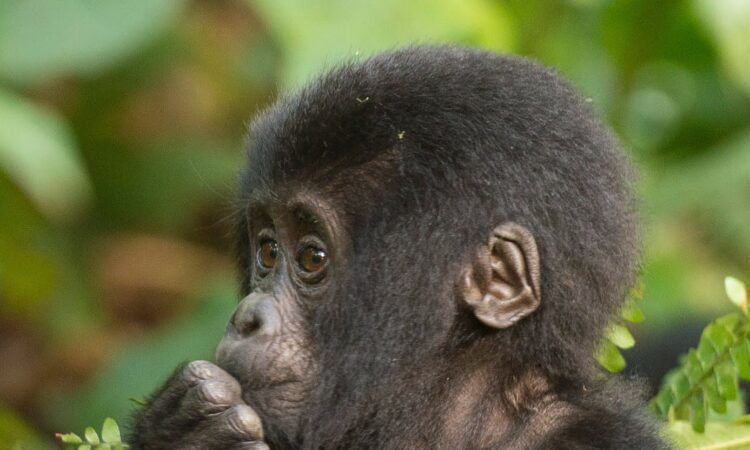
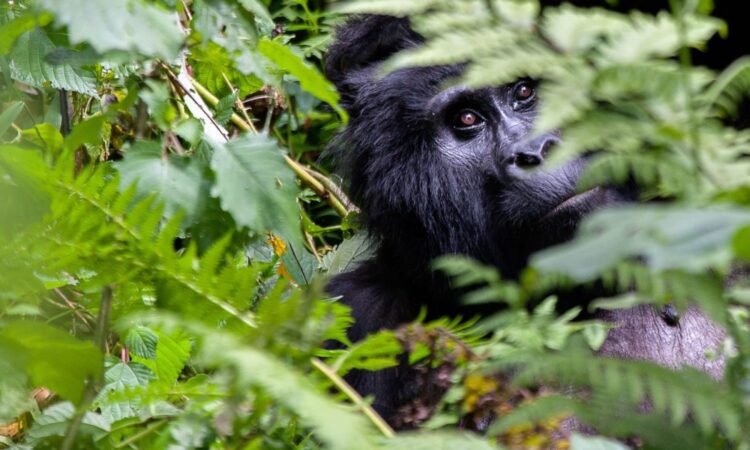
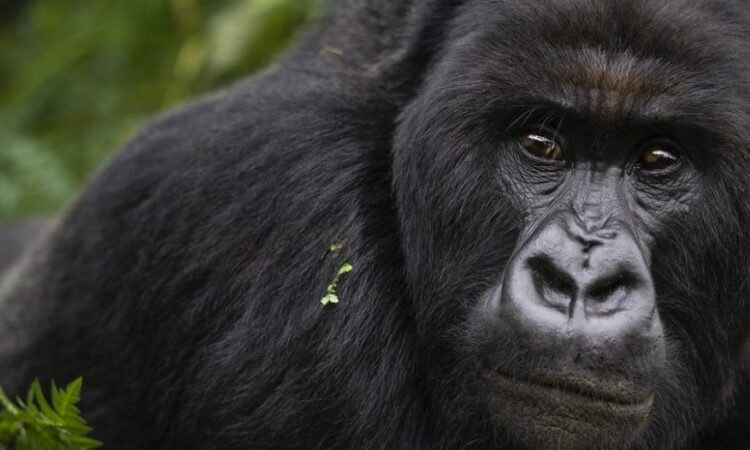
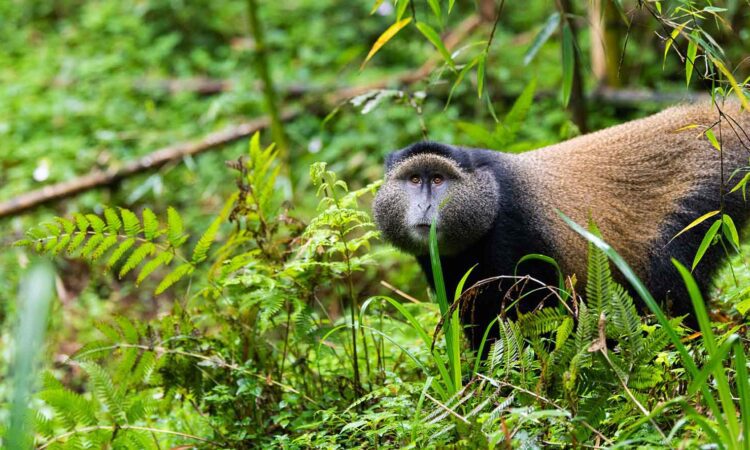
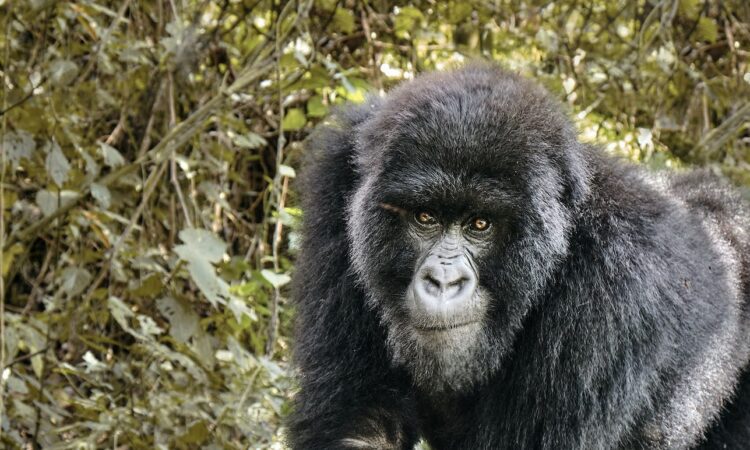
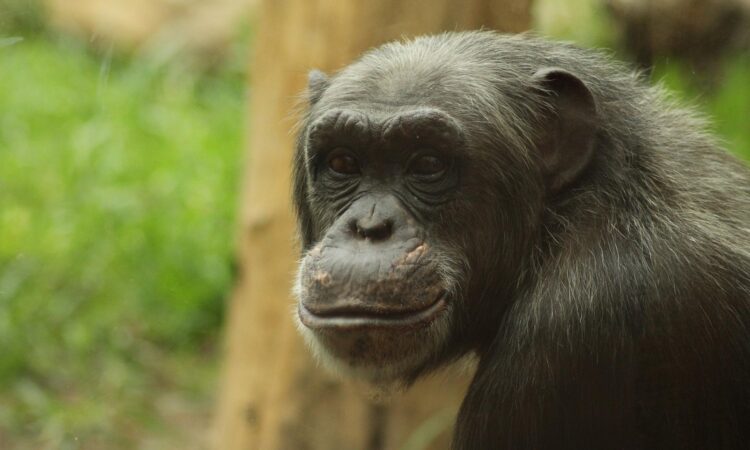
The reserve is home to more than 5,000 okapis, about 4,000 elephants, 2,000 leopards, 14 species of forest ungulates, around 1,500 plant species, and 17 species of primates. Of the primates, 14 are active during the day and 4 are active at night.
Wildlife & Birds
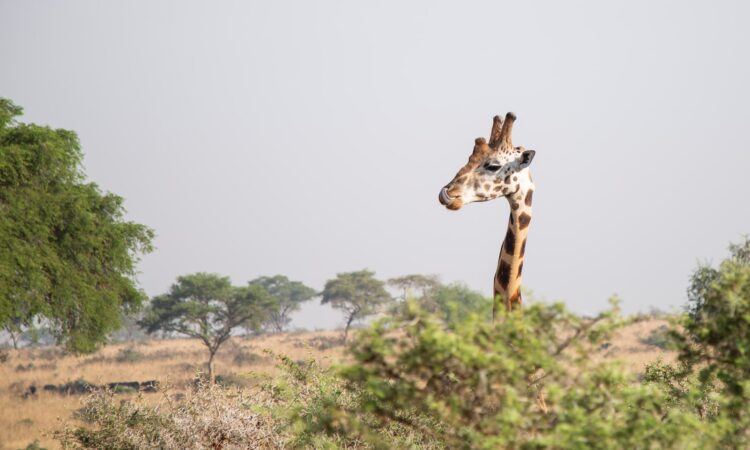
The Okapi Wildlife Reserve is one of the best places for wildlife viewing in Congo. It supports more than 100 mammal species. Animals found in the reserve include forest buffaloes, elephants, leopards, okapis, bongo antelopes, water chevrotains, crocodiles, aquatic genets, giant ground pangolins, golden cats, and forest giraffes.
The reserve also supports many primates and other forest species that depend on the thick rainforest environment. Because the forest is large and still untouched in many areas, wildlife sightings feel natural and quiet.
Birdlife is also rich in the Okapi Wildlife Reserve. The area has over 300 bird species, some of which are only found in this region. Birds recorded here include the African pygmy goose, knob billed duck, African grey parrot, yellow crested helmet shrike, and Grauer’s cuckoo shrike.
Cultural Encounters
Inside the Okapi Wildlife Reserve live the Mbu and Efe pygmy communities. These forest people are believed to have lived in the Ituri Forest for thousands of years. They depend on hunting and fruit gathering and maintain a traditional lifestyle closely connected to nature.
Visitors can interact with these communities and learn about their daily lives. You can see how they hunt, gather fruits, and use forest plants to treat different illnesses. Their short height and forest skills make their culture unique.
Forest Hiking & Nature Walks
The Okapi Wildlife Reserve offers true forest hiking experiences. Visitors can walk through thick jungle trails and enjoy untouched forest landscapes. Hiking to Mount Mbeya is one of the main activities and offers wide views over the forest.
Nature walks also lead to waterfalls and rivers inside the reserve. The three main rivers are River Epulu, River Ituri, and River Nepoko. Along these walks, visitors may see butterflies, birds, primates, and many plant species.
Okapi Conservation Project
The Okapi Conservation Project was started in 1928 to manage okapi protection, breeding programs, and research. The project also provides education to local communities and visitors about okapi conservation and forest protection.
Accommodation & Access
Visitors to the Okapi Wildlife Reserve can stay in nearby towns at places such as Hotel Kisangani, Vuvuke Guest House, and Plaza Hotel.
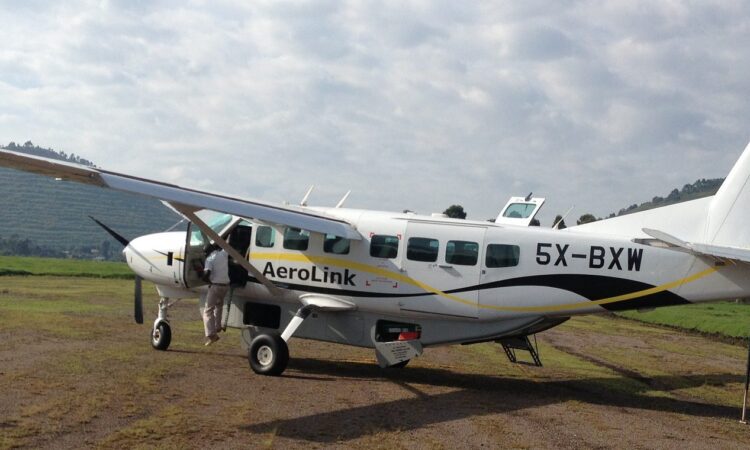
To reach the reserve, travelers usually fly from Kinshasa to Bunia and then drive to Epulu. Another option is flying from Kinshasa to Kisangani, followed by an eight hour drive.
The best time to visit the Okapi Wildlife Reserve is during the dry season from June to August. During the wet season, roads can be difficult, so four wheel drive vehicles are required.
The reserve was officially established in 1992 and was listed as a UNESCO World Heritage Site in 1997.