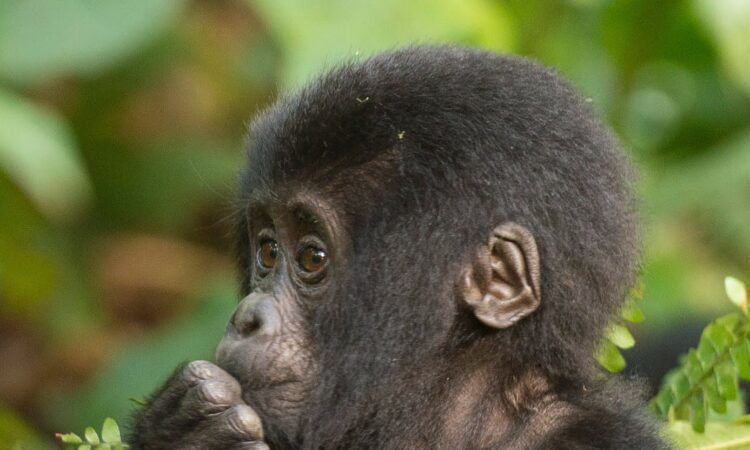
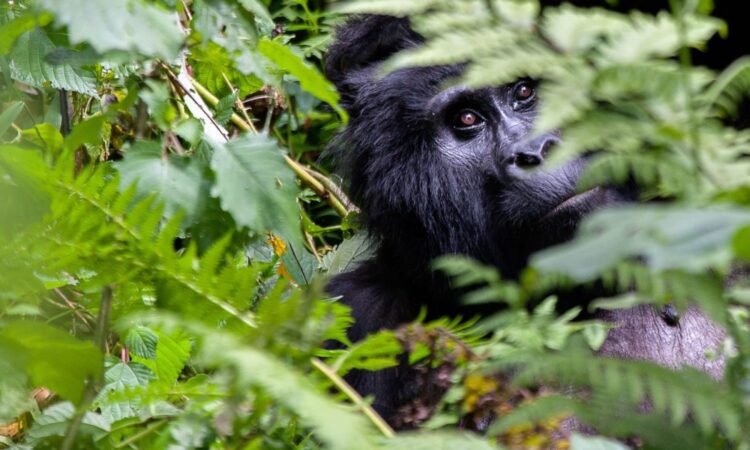
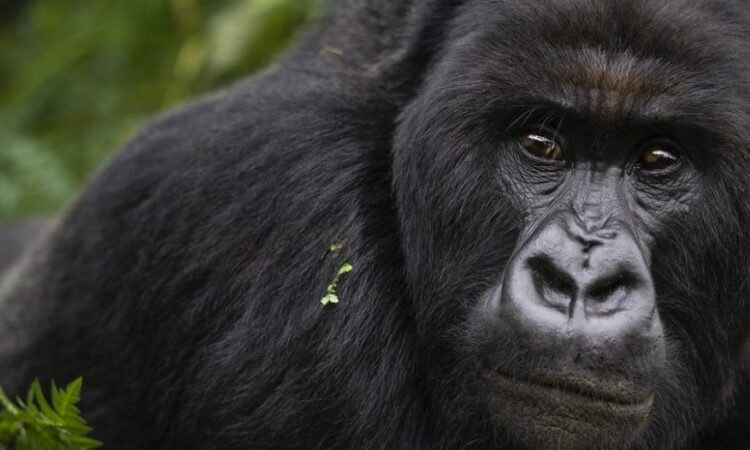
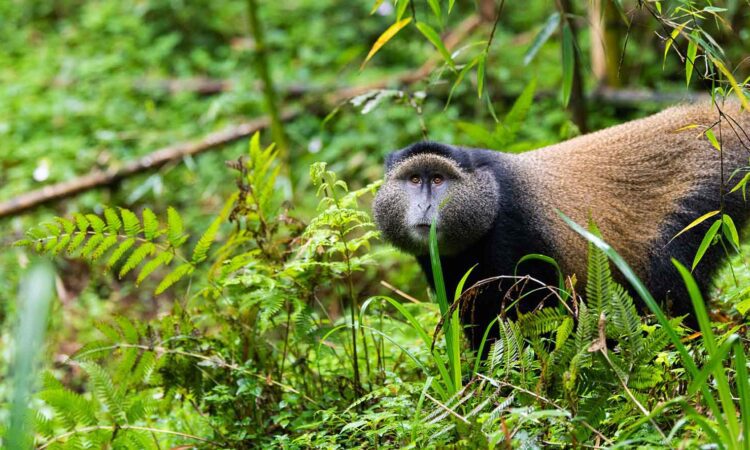
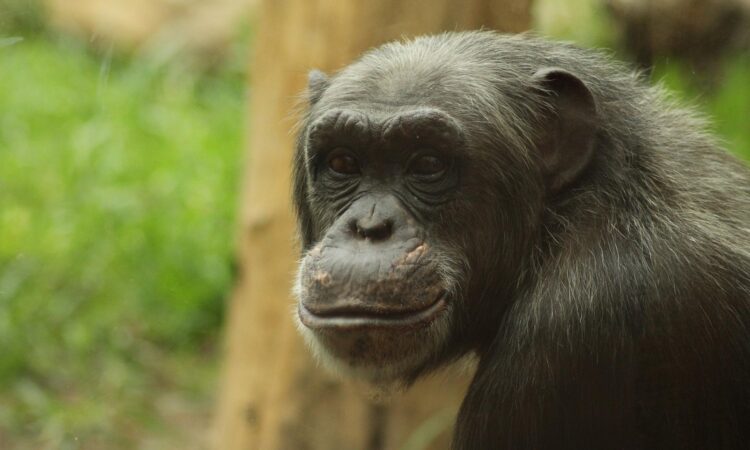
The bonobo chimpanzee, also known as the pygmy chimpanzee, is one of the two species in the genus Pan. The other species is the common chimpanzee. Bonobos are a unique primate species and are not considered a sub species of chimpanzees. Although they are closely related, bonobos have clear physical and social differences that set them apart.
Bonobos, together with chimpanzees, share about 98.7 percent of their DNA with humans. Studies show that bonobos display a wide range of behaviors, including aggression and compassion. Female bonobos hold a strong social position and often dominate group leadership. Bonobos have also been observed playing with monkeys, which is different from common chimpanzees that sometimes hunt monkeys.
An adult bonobo weighs about 45 kilograms. Adult females are slightly smaller than males. When standing upright, both males and females reach an average height of about 3.8 feet. Bonobos live in social communities that usually have between 30 and 100 individuals. Group membership often changes, and mature females commonly lead these groups.
There are only about 30,000 to 50,000 bonobo chimpanzees left in the wild. Bonobos are found only in the Democratic Republic of Congo and nowhere else in the world. Their habitat lies in forested areas north of the Kasai River and south of the Congo River. Because of this limited range, bonobos are very sensitive to threats.
Female bonobos are generally more sexually active than males. They have been seen mating in face to face positions, which is rare among chimpanzees. Females often resume mating within a year after giving birth. Bonobos also use sexual behavior to reduce conflict and maintain social bonds within the group.
The International Union for Conservation of Nature has listed bonobo chimpanzees as an endangered species. Female bonobos often help their young during conflicts with males. While fights between different bonobo groups can occur, males usually stay in their birth groups, while females often move to new groups.
The main threats to bonobo populations are poaching for bush meat and habitat loss, especially during periods of civil war in Congo. Bonobos mainly eat vegetation and sometimes add insects to their diet.
A non profit organization runs a bonobo orphanage in Congo that has rescued many bonobos from poaching and illegal pet trade. One well known center is Lola ya Bonobo, which covers over 30 hectares and has feeding stations that visitors can see.
Bonobo chimpanzee trekking is only possible in Congo. Treks start early in the morning and last between four and six hours, or sometimes a full day, depending on where the bonobos are located. Visitors should be physically fit and carry a jacket, long sleeved clothes, hiking boots, insect repellent, a walking stick, socks, and a rain coat.