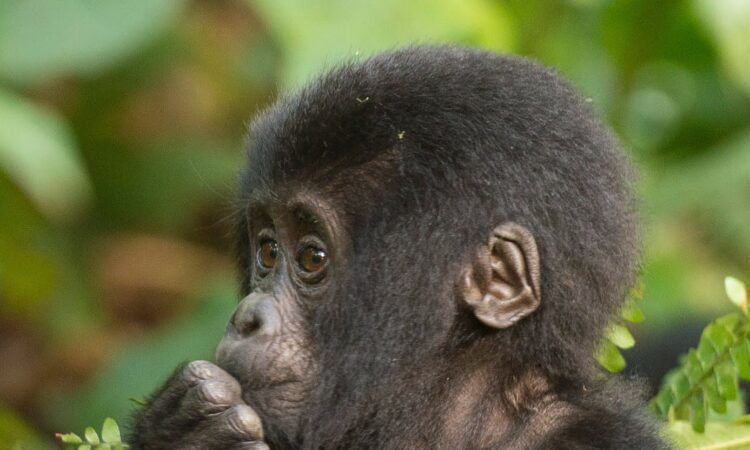
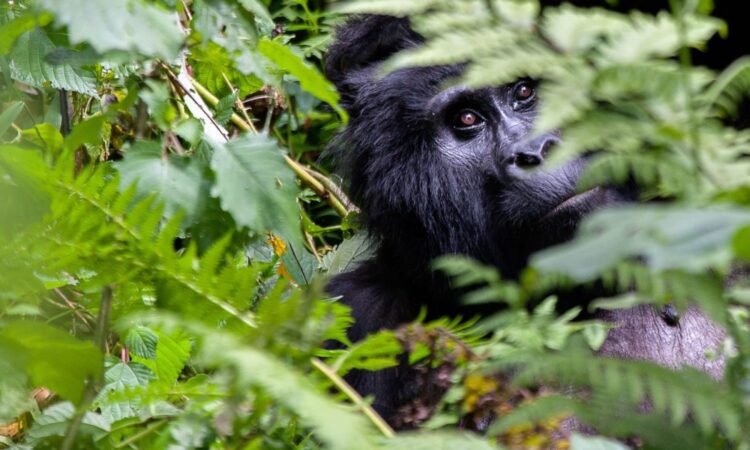
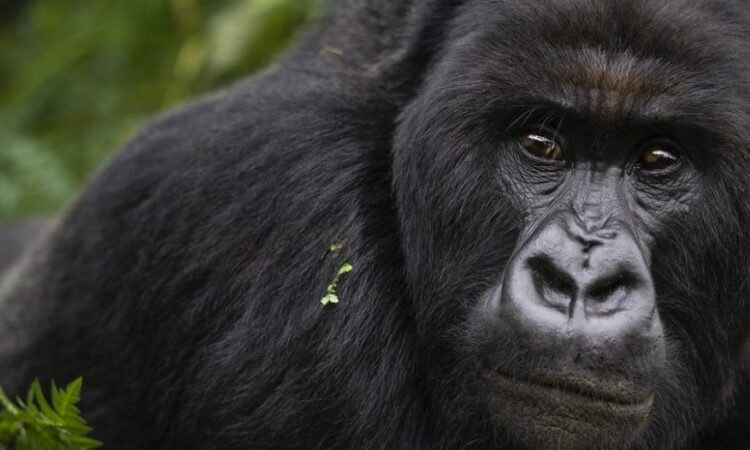
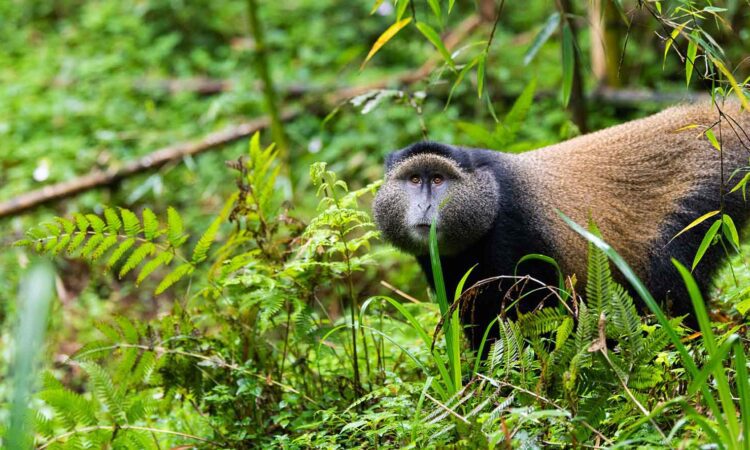
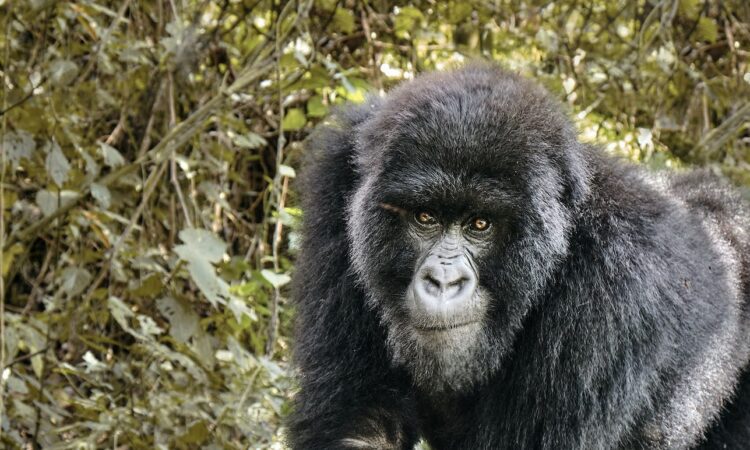
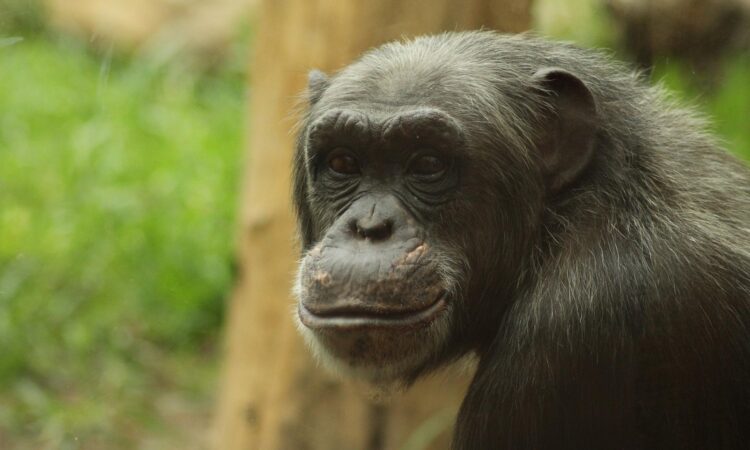
Gishwati-Mukura National Park is one of the newest protected areas in Rwanda and offers a quiet and meaningful wildlife experience. The park is home to about twenty chimpanzees that live together with L’Hoest monkeys, golden monkeys, and blue monkeys. The park is made up of two forest blocks called Gishwati and Mukura. Gishwati is the larger forest, while Mukura is smaller. Together with the buffer zone, the park covers about 34 square kilometers.
The forest in Gishwati-Mukura National Park contains around sixty tree species, including hardwood trees and bamboo. The forest lies on a ridge that separates the Congo and Nile water catchment areas. This area is part of the Albertine Rift in western Rwanda, which is known for supporting many plant and animal species. The forest environment provides shelter, food, and safety for primates and birds living in the park.
Gishwati-Mukura National Park officially opened to tourism in 2019. Since then, guided nature walks have been introduced. These walks are open to visitors who are physically fit and ready to follow instructions from park guides. Each walk is led by a trained ranger guide who ensures visitor safety. Rangers carry guns only for protection and mostly use them to scare animals if needed. Serious incidents are rare.
Chimpanzee trekking was later introduced and has become one of the main activities in Gishwati-Mukura National Park. Many visitors see chimpanzees as close relatives because they share much human DNA. Trekking permits are limited, so visitors are advised to book early. A valid permit is required before joining the trek. While with chimpanzees, visitors must remain calm and quiet. Loud noise can disturb the animals and affect their normal behavior.
Monkey tracking is another activity in the park and is often done together with chimpanzee trekking. Visitors can see different monkey species moving through the forest. Photography is allowed, but flash and loud sounds should be avoided. Bird watching is also popular in the park. Since 2019, many bird species have returned to the area, including migratory birds that stay for a short time before moving on.
In the past, the forest area suffered from human settlement, mining, and livestock farming. These activities reduced forest cover and wildlife numbers. The government of Rwanda, together with conservation groups, stopped these activities and restored the forest. This effort helped wildlife return and allowed the park to be protected.
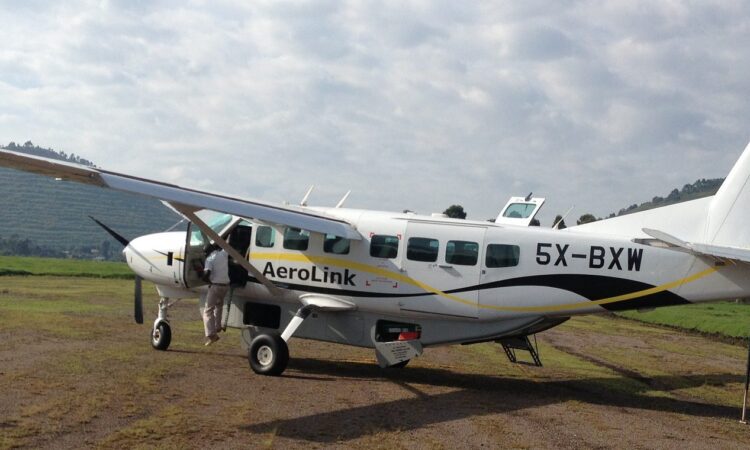
Gishwati-Mukura National Park is accessed by road transport. Visitors usually start their journey from Kigali. Both private and public transport can be used to reach the park.
Gishwati-Mukura National Park offers calm forest walks, primate encounters, and learning experiences for travelers seeking a quiet nature visit in Rwanda.