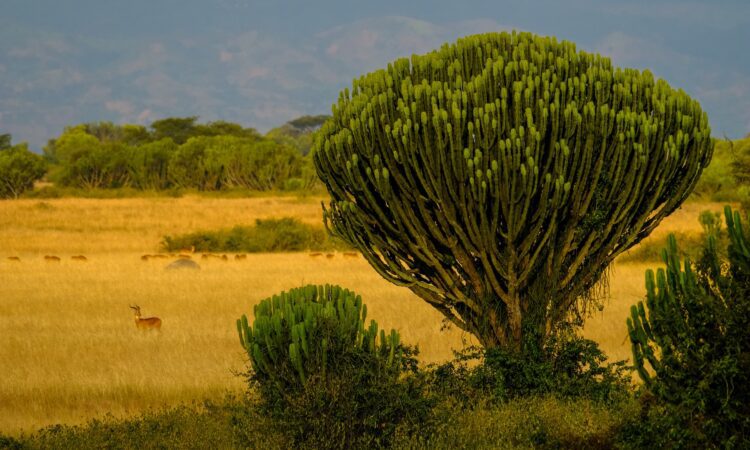
Upemba National Park is located in the Democratic Republic of Congo, in the Katanga Province. The park was established in July 1939. It is made up of Savannah grasslands, wetlands, rocky areas, waterfalls, the Kibara Plateau, marshes, lakes, mountains, and miombo woodlands. These different land types support many plants and animals.
Today, Upemba National Park covers about 10,000 square kilometers. When it was first gazetted, the park covered about 17,730 square kilometers. The park is also listed as a UNESCO biodiversity reserve. It supports around 1,800 plant species, along with many mammals, primates, birds, and other wildlife.
Wildlife & Birds
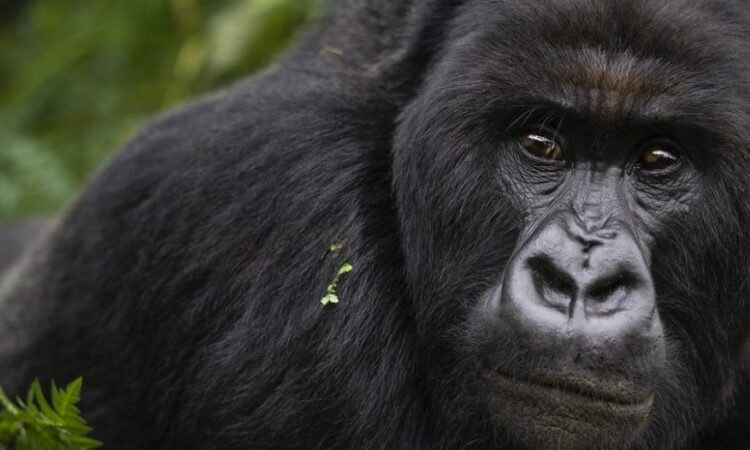
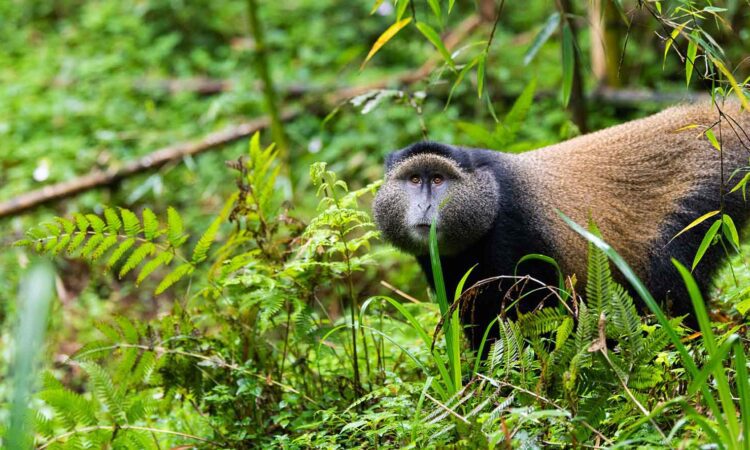
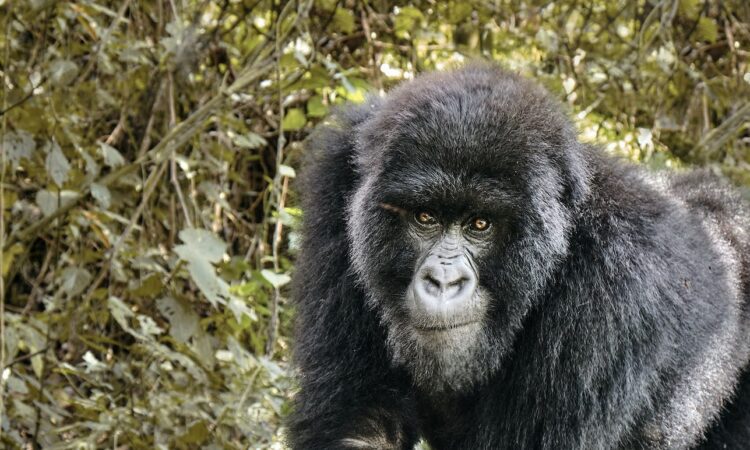
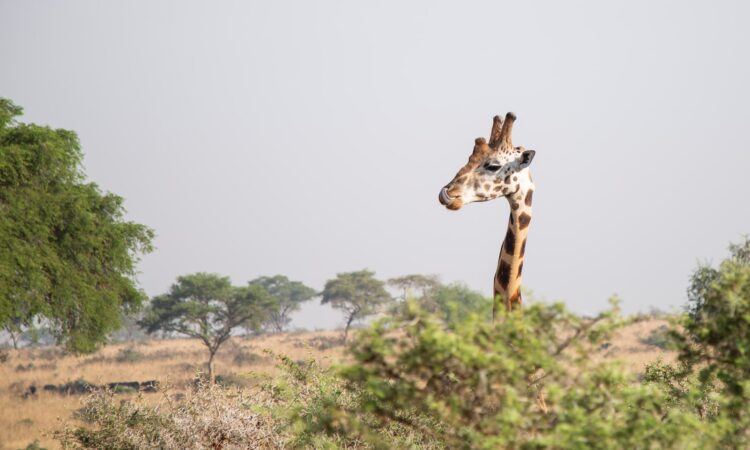
Upemba National Park is one of the parks in Congo known for strong wildlife numbers. Several wildlife tracks are set up inside the park, allowing visitors to enjoy game drives. Animals that may be seen include zebras, oribis, elephants, antelopes, lions, buffalos, duikers, and more. Primates such as baboons and different monkey species also live in the park.
Birdlife is another key feature of Upemba National Park. Bird species recorded here include the shoebill stork, wattled crane, Angola lark, Dickinson’s kestrel, racket tailed roller, chestnut owlet, honey guide greenbelt, Souza shrike, miombo rock thrush, sparrow weaver, firefinch, African fish eagle, and Kivu ground thrush.
Upemba Depression & Lakes
One of the most important areas in the park is the Upemba Depression, where Lake Upemba is found. The wider depression contains about 50 lakes. More than 40 archaeological sites have been discovered in this area, although only six have been fully excavated. The Upemba Depression is believed to be the largest cemetery area ever found in sub Saharan Africa.
Upemba National Park is surrounded by about 10 lakes where fishing is done. Fish species found in these waters include tilapia, Capitaine, freshwater elephant fish, cichlidae, barbus, alestidae, and mochokidae. There are also floating islands such as Mitala Island, where visitors can see refugee settlements and learn about daily life. Many rivers flow through the park, leading to several waterfalls that can be visited.
Cultural Visits & Hiking
Cultural encounters are another way to enrich a visit to Upemba National Park. Communities living near the park welcome visitors to learn about their traditions. Guests can enjoy traditional songs and dances and buy handmade crafts to take home.
Hiking is also possible in the park. Several trails allow visitors to explore on foot. During hikes, you may see wildlife from a safe distance, as well as birds, primates, plants, and different land features.
Best time to Visit & Access
Upemba National Park can be visited throughout the year. The best time to visit is from October to January, when the park is drier and vegetation is lighter, making animals easier to see.
The park can be reached by road from Lubumbashi International Airport. Visitors can also use water transport when coming from Lake Tanganyika. Air transport from Lubumbashi Airport is another option for reaching the park.