The phrase Pearl of Africa is a well known title that is closely linked to Uganda. It was made popular by Sir Winston Churchill in his 1908 book titled My African Journey. In this book, Churchill described Uganda’s landscapes, wildlife, and people in a way that attracted attention from the Western world at that time. His writing helped many people outside Africa learn about Uganda for the first time. Because of this work, Churchill is widely credited with naming Uganda the Pearl of Africa.
However, Churchill was not the first person to speak positively about Uganda. Earlier explorers such as Henry Morton Stanley also wrote about Uganda and praised its natural features long before Churchill’s book was published. Their journeys and records helped build early interest in the country and prepared the ground for the name to gain meaning and recognition.
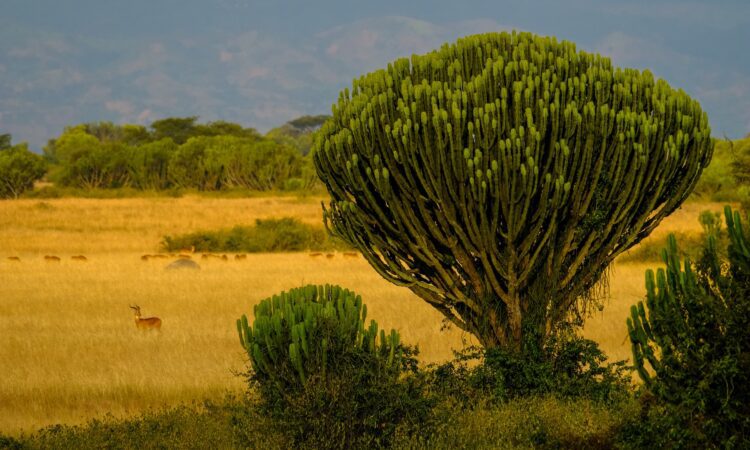
Over time, the Pearl of Africa became more than just a phrase. It grew into a strong symbol of national pride and an invitation to travelers looking for real African experiences. Uganda’s landscapes range from rain forests and wide savannah areas to high mountains and large lakes. These natural features support many forms of wildlife and attract visitors interested in nature and outdoor activities.
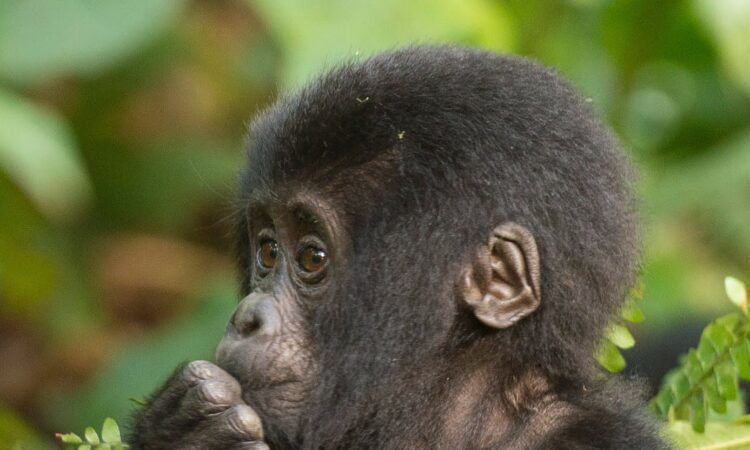
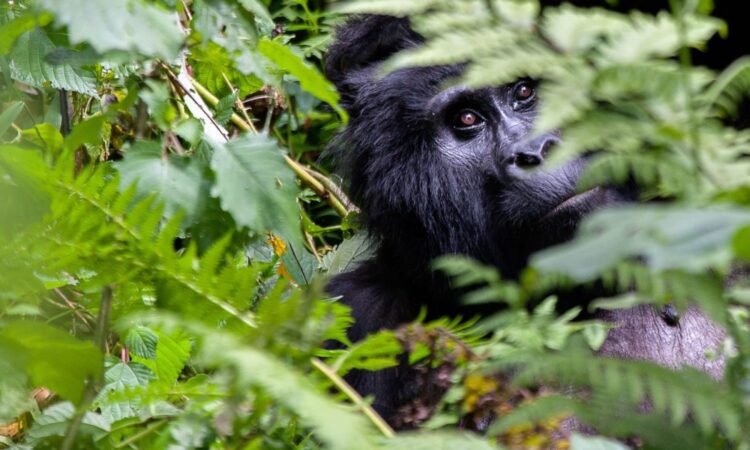
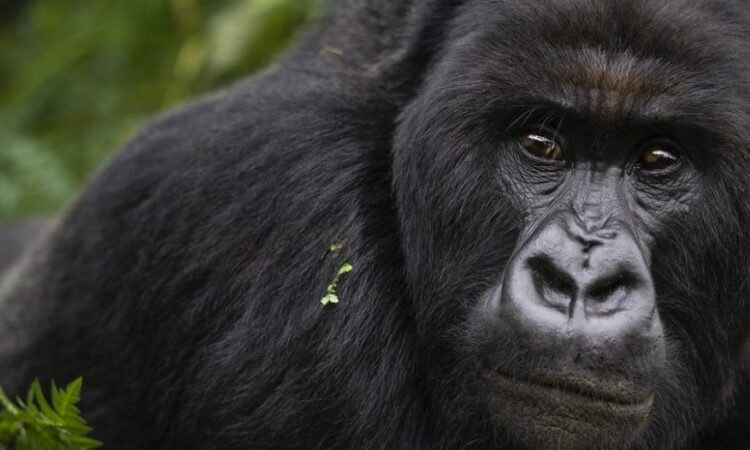
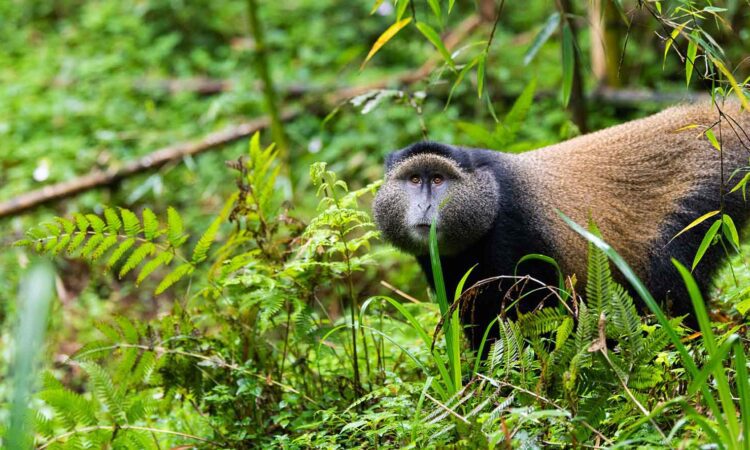
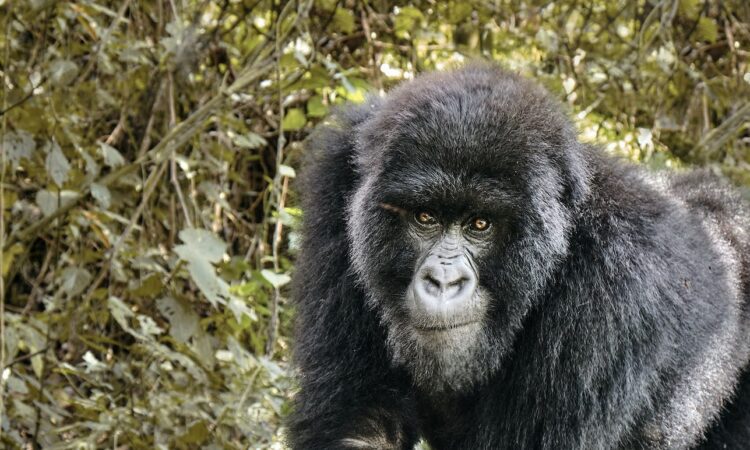
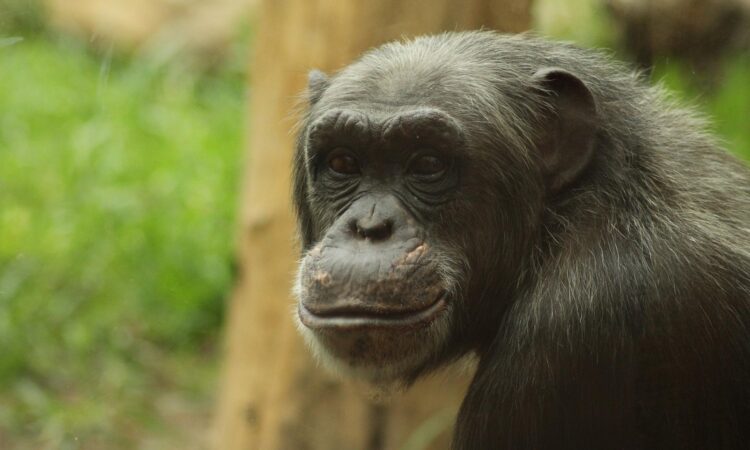
Uganda is also known for its primates. The country is home to the endangered mountain gorillas, one of the most searched wildlife species in the world. Chimpanzees are found in large numbers in Kibale National Park, which is often called the primate capital because of this population. Other primates such as monkeys and baboons are also common and depend on fruits, leaves, flowers, and insects for survival.
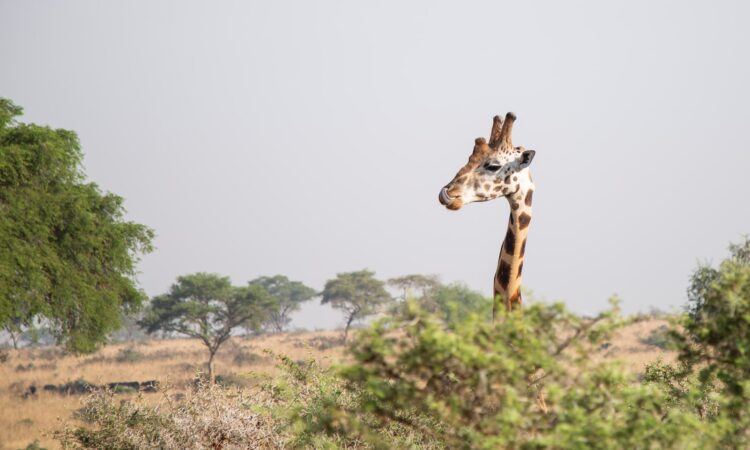
The savannah parks also support many animals. These include lions, leopards, hippos, zebras, buffaloes, rhinos, antelopes, impalas, giraffes, reptiles, elephants, and others. These animals are found in places such as Queen Elizabeth National Park, Kidepo Valley National Park, Murchison Falls National Park, Mgahinga National Park, and other protected areas.
Another reason Uganda holds this title is the warm nature of its people. Visitors are often welcomed into local culture through traditional dances, songs, music, drama, and art. Local guides help visitors understand these traditions better. English is the official language, but many local languages are spoken, including Luganda, Lusoga, Runyankole, Rutoro, and Rukiga.
Churchill’s words helped shape global interest in Uganda, attracting explorers, adventurers, and nature lovers. Today, the Pearl of Africa remains a strong identity for Uganda and reflects the life, culture, and nature found across the country.